
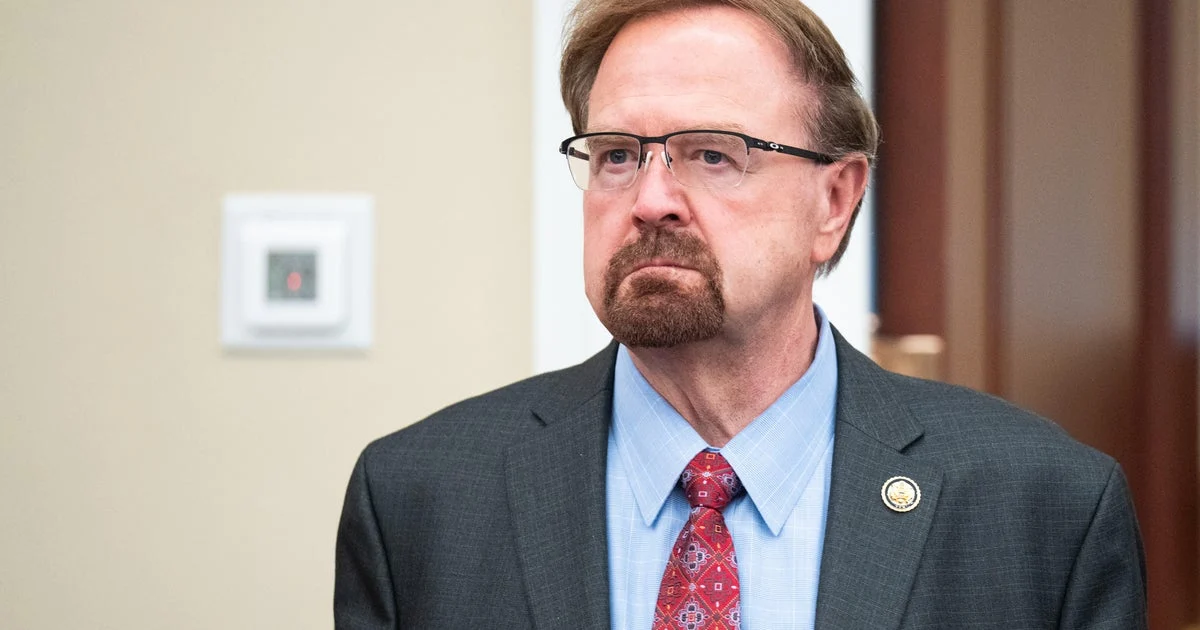
The House Ethics Committee has recommended formal censure against Republican Representative Chuck Edwards of North Carolina following an investigation into allegations of sexual harassment and creating a hostile workplace environment involving two young female staffers. The committee found substantial reason to believe Edwards violated House rules, and plans to bring a resolution for censure to the House floor when Congress reconvenes later this month.
What Happened
The investigation officially launched in May after media reports revealed that Edwards, serving North Carolina’s congressional district since 2023, had singled out two young staffers for excessive and inappropriate attention. The House Ethics Committee conducted an extensive probe, reviewing nearly 1,500 pages of evidence and conducting 16 witness interviews, including with Edwards himself.
The committee’s report found that Edwards engaged in persistent unprofessional conduct toward the two women, consisting of lavish gifts, comments about their appearance and dress, invitations to intimate dinners and vacations, affectionate notes, and private activities. While Edwards denies that his actions were sexual or romantic in nature, the committee concluded that a reasonable observer would interpret them as such.
Despite the findings, the panel stated it did not find evidence Edwards engaged in sexual activity or explicitly propositioned any staff member. It also noted that Edwards was aware his behavior sparked rumors and discomfort within the office but appeared dismissive or oblivious to the negative impacts on the women’s careers and well-being.
Key Facts
The committee highlighted that both women staffers communicated their discomfort but were constrained by Edwards’s status as their employer and congressional authority. The report asserted Edwards failed to adhere to the spirit of the House’s Code of Official Conduct, which prohibits sexual harassment and hostile workplaces.
Edwards’s campaign issued a statement emphasizing that the committee cleared him of quid pro quo sexual harassment and violations of federal sexual harassment law, asserting he looks forward to clearing his name fully. The Ethics Committee agreed to waive procedures to allow the matter to be resolved through a censure resolution on the House floor.
This disciplinary measure arrives amid broader scrutiny of congressional ethics following recent resignations of other members over misconduct allegations.
What This Means
The House Ethics Committee’s decision to recommend censure rather than expulsion or criminal referral signals a significant but measured approach to congressional misconduct, emphasizing accountability within the legislative branch. For constituents and congressional staff, such findings highlight ongoing challenges in workplace culture and the difficulties faced by employees reporting improper behavior when their supervisors hold significant power.
By holding Edwards publicly accountable, the committee aims not only to address this individual case but also to send a clear message to all members of Congress that sexual harassment and discriminatory conduct will not be tolerated. This may influence future oversight policies and workplace conduct training efforts within Capitol Hill.
For the House chamber, this action comes at a moment when calls for greater transparency and ethical standards are intensifying, thus underscoring Congress’s need to maintain public trust amid growing concerns about member behavior.
What Comes Next
The House of Representatives is scheduled to return from recess late in August, when the Ethics Committee will bring the privileged resolution for Edwards’s censure before the full chamber. The resolution is expected to initiate a formal vote that, if passed, will mark a rare but serious public rebuke of a sitting member’s conduct.
Sources
This article is based on reporting and publicly available information from the following sources:
Read more Politics stories on Goka World News.