
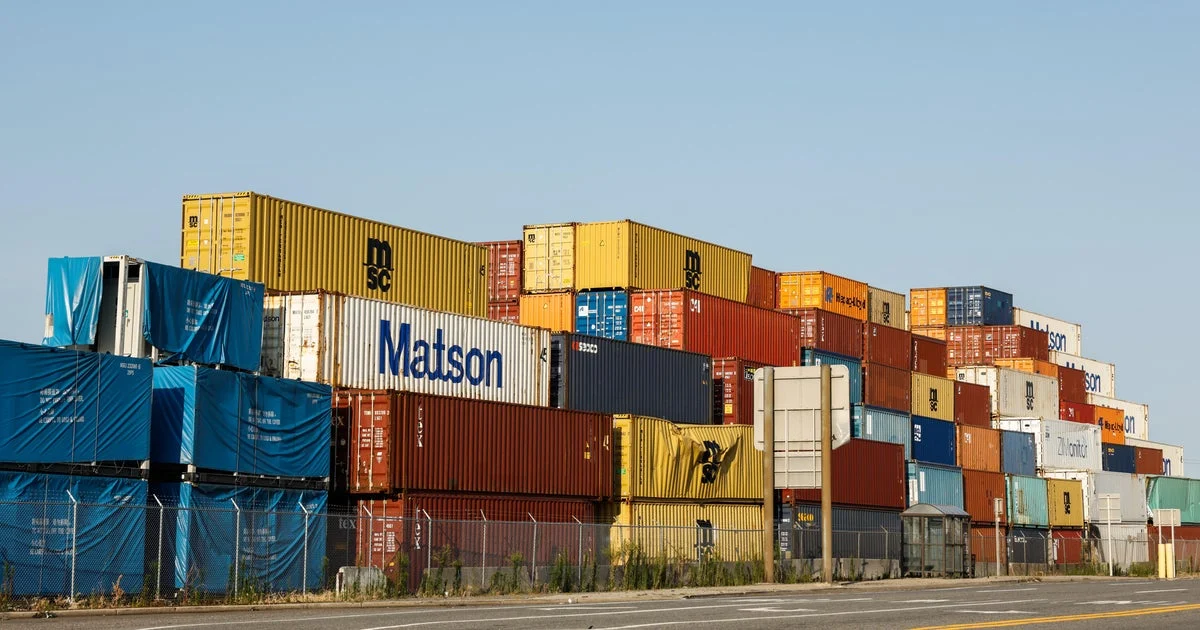
A coalition of 25 states filed a lawsuit against the Trump administration on August 3, 2026, claiming that the president overstepped his authority by imposing a broad new round of tariffs last month. The tariffs, enacted under Section 301 of the Trade Act of 1974, target imports from 60 countries with duty rates between 10% and 12.5%, purportedly to combat products made with forced labor abroad.
What Happened
The states’ lawsuit, lodged in the U.S. Court of International Trade, contests the legality of the tariffs announced last month. These duties form the administration’s third attempt to enforce Section 301-based tariffs under President Trump’s trade agenda. The states allege the tariffs exceed the administration’s power and are intended to replace previous levies struck down by the Supreme Court earlier in the year. They also argue that the investigation by the Office of the U.S. Trade Representative (USTR) that justified the tariffs was rushed and insufficiently targeted.
California Attorney General Rob Bonta, representing the coalition, emphasized that these tariffs equate to taxes on American consumers and small businesses, which ultimately bear the cost of the policy. The 25 states backing the suit include Arizona, Colorado, Connecticut, Delaware, Hawaii, Illinois, Kentucky, Massachusetts, Maryland, Maine, Michigan, Minnesota, Nevada, New Jersey, New Mexico, New York, North Carolina, Oregon, Pennsylvania, Rhode Island, Virginia, Vermont, Washington, and Wisconsin.
White House spokesman Kush Desai defended the tariffs, stating that they rely on lawful authority aimed at addressing the failure of foreign countries to prohibit imports produced with forced labor. Desai said Section 301 tariffs had proven legally durable since the president’s first term and remain an essential tool for U.S. commerce.
Key Facts
The challenged tariffs impose rate increases ranging from 10% to 12.5% on imports from 60 different economies.
Section 301 of the Trade Act of 1974 authorizes the president to impose tariffs and sanctions responding to unfair trade practices.
Since the start of 2026, the effective U.S. tariff rate fell from 9.4% to 7.4%, partly due to the replacement of temporary Section 122 duties with Section 301 tariffs, according to Fitch Ratings.
The Supreme Court struck down earlier Trump-era tariffs in February 2026, prompting the current tariff strategy.
What This Means
This legal challenge highlights the ongoing tension between federal trade policy and states’ concerns about economic fallout. By arguing the tariffs illegally increase costs for American families and businesses, the states underscore worries about inflationary pressure and disrupted supply chains. The litigation signals resistance to broad unilateral tariff actions that can shift trade burdens onto consumers rather than resolving underlying policy issues at the international level.
Additionally, the case illustrates the limits of executive power in trade enforcement, particularly when previous tariffs were overturned by the judiciary. The outcome may determine how the administration can use Section 301 to address complex issues like forced labor without triggering significant domestic economic disruptions.
For consumers and small businesses, these tariffs could translate into higher prices on imported goods, affecting household budgets and operating costs. The lawsuit presses the case that there are legal and procedural requirements that must be met to justify such sweeping tariffs.
Background
President Trump’s administration has used tariffs extensively as a tool to revive U.S. manufacturing, reduce trade deficits, and generate revenue. The first wave of Section 301 tariffs was introduced in the early 2020s targeting China, followed by similar measures aimed at other countries over concerns of unfair trade and now forced labor. The Supreme Court’s February 2026 decision invalidating some of these duties necessitated a recalibration of tariff policy.
Section 301 is a longstanding trade statute that permits the president to respond to unfair trade practices after investigation and consultation with U.S. trade partners.
What Remains Unclear
The litigation process may take months or longer to resolve, leaving uncertainty about how and when the tariffs will be upheld, modified, or rescinded. The specific procedural issues raised about the USTR’s investigation remain under judicial consideration. Additionally, how this lawsuit might influence future trade enforcement strategies is yet to be determined.
What Comes Next
The case will proceed through the U.S. Court of International Trade, where preliminary rulings on the lawsuit’s merits will be awaited by stakeholders including businesses, trade organizations, and state governments. The administration has not announced any immediate changes to the tariff schedule as this legal challenge unfolds.
Sources
This article is based on reporting and publicly available information from the following source:
Read more Politics stories on Goka World News.