
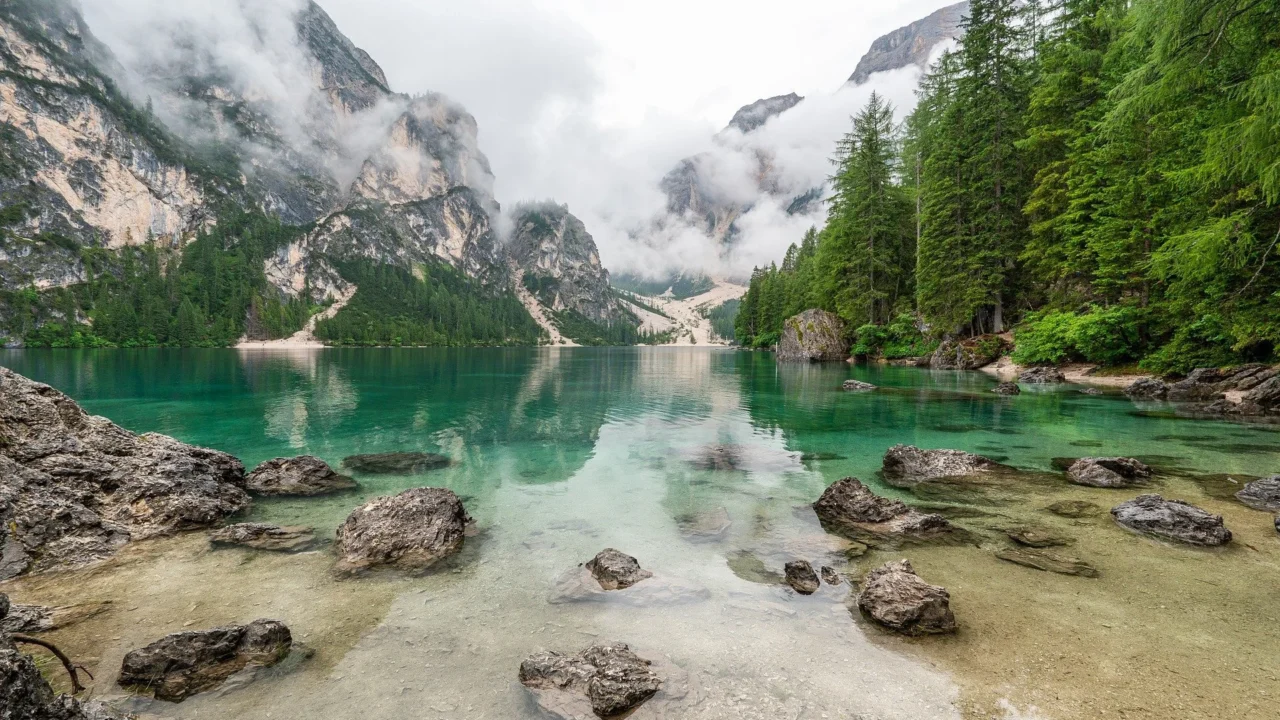
A recent study by the University of Michigan demonstrates that experiences in nature vary significantly depending on the setting, challenging the notion that “nature” is a uniform experience. Analyzing nearly 400,000 social media posts from across the United States, the research highlights how different outdoor environments influence not only activities but also emotional responses and social interactions.
What Happened
The research, led by psychology research fellow Kate Schertz and colleagues at the University of Michigan, involved advanced text analytics of social media posts describing outdoor experiences. Published in the journal Environment and Behavior, the study examined posts spanning a wide range of activities such as hiking, camping, hunting, photography, and family outings. The team identified distinct psychological themes linked to the type of natural environment, differentiating between urban parks and rural or wilderness landscapes.
Key Facts
The dataset comprised almost 400,000 posts across the U.S., which were analyzed using computational methods to detect common patterns and themes. City parks were predominantly associated with family activities and recreational outings, whereas rural and wilderness areas inspired narratives focused on adventure, camping, and hashtags like #GetOutside and #OptOutside. The research confirmed that posts about nature were overwhelmingly positive, reflecting the well-documented benefits of outdoor exposure on happiness and well-being. This detailed analysis captured subtle variations in how people experience different natural settings, which traditional surveys or lab studies might miss.
What This Means
This study underscores that access to nature is not just about proximity to green space but also about the diversity of experiences those spaces provide. Urban parks tend to facilitate social and family-centered activities, offering accessible recreational opportunities to many city dwellers. In contrast, rural and wilderness settings evoke feelings of adventure and solitude, attracting users seeking immersion and exploration. Recognizing these differences can help urban planners and conservationists optimize natural spaces to meet varied psychological and social needs.
Furthermore, as urbanization and environmental changes alter available natural landscapes, maintaining a variety of natural environments could be essential to preserve the full spectrum of psychological benefits. The findings imply that policies aimed at environmental preservation and urban design should consider not only protecting green areas but also preserving the unique qualities that make each type of natural setting valuable for human experience and well-being.
Background
The research builds on a growing body of work that links nature exposure with mental health and happiness. Prior studies have often assessed benefits in controlled settings or through surveys, but this approach provides a large-scale, real-world perspective by tapping into voluntarily shared social media experiences. This method allows for the capture of nuanced emotional and social contexts tied to specific environments.
What Remains Unclear
While the study reveals broad trends in how people experience nature, the extent to which these findings can be generalized across different demographic groups remains unclear. The researchers also point out that social media users might not represent the full diversity of outdoor participants. More research is needed to validate these patterns through complementary data sources and to explore how these experiences translate into long-term psychological outcomes.
What Comes Next
The study’s publication paves the way for further interdisciplinary research combining environmental psychology, urban planning, and data science. Future work could expand to international contexts, deeper demographic analysis, and the impact of seasonal or climate variations on nature experiences. These follow-ups would help refine strategies for designing natural spaces that maximize public health benefits.
Sources
This article is based on reporting and publicly available information from the following sources:
Read more Science Discoveries stories on Goka World News.