
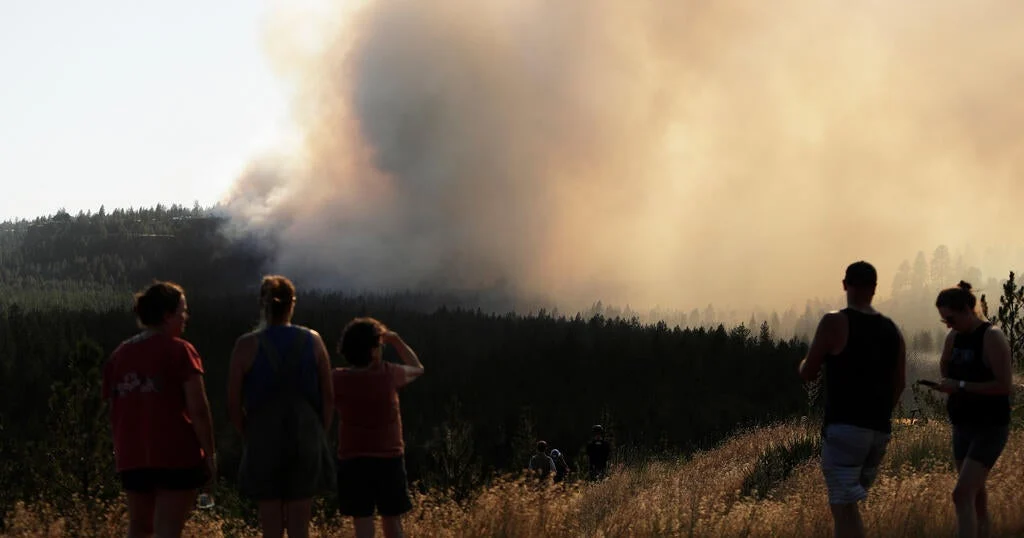
Devastating wildfires in eastern Washington have destroyed approximately 600 homes and businesses, triggering evacuations for thousands and prompting a state of emergency declaration. The region around Spokane is battling multiple major blazes amid extreme heat and high winds that continue to challenge firefighting efforts.
What Happened
Three significant wildfires—the Old Trails Fire, which started on August 1, the Fairview Fire, and the Autumn Lane Fire (which now includes the former Meadowview Fire)—have burned through nearly 8.2 square miles in the Spokane area, Washington’s second-largest city. As of August 2, firefighters had made no containment progress on these fires. The rapid spread of the flames forced the evacuation of thousands of residents and resulted in widespread destruction of homes, businesses, and other structures.
The state reported that a total of 15 major fires were active across Washington on Sunday, scorching more than 250,000 acres statewide. Firefighting efforts involved about 4,000 personnel. Washington Public Lands Commissioner Dave Upthegrove described the 2026 fire season as “extraordinary” for the Pacific Northwest region.
Key Facts
Spokane Mayor Lisa Brown characterized the wildfires as the “worst natural disaster our region has faced.” While no fatalities have been confirmed, authorities continue assessing potential loss of life. The cause of the fires remains under investigation. Due to hazardous conditions, evacuation orders remain in effect, and air quality warnings have been issued across affected communities.
Washington Governor Bob Ferguson declared a state of emergency on Saturday, noting the dramatic impact on residents who lost homes within hours. Ferguson confirmed conversations with President Joe Biden and Department of Homeland Security Secretary Markwayne Mullin, emphasizing ongoing efforts to secure federal disaster assistance. The Federal Emergency Management Agency (FEMA) has authorized federal funds for firefighting efforts related to the Sinlahekin, Fairview, and Autumn Lane Fires.
Power utility Avista implemented public safety power shutoffs to reduce fire risks but restored service to many areas by Sunday. Nonetheless, over 10,000 customers remained without electricity due to fire damage and evacuation barriers. Avista CEO Heather Rosentrater clarified that the company’s infrastructure was not involved in igniting the fires.
What This Means
The wildfires’ destruction in eastern Washington underscores the increasing volatility and severity of wildfire seasons fueled by climate extremes, including soaring temperatures and strong winds that rapidly spread flames through rugged terrain. The losses sustained by communities highlight the urgent need for enhanced fire preparedness, emergency response, and infrastructure resilience in affected areas.
For residents, this disaster means long-term recovery challenges, including rebuilding homes and restoring community services. Power outages complicate communications and essential services during evacuation and firefighting operations. Additionally, persistently poor air quality threatens public health, particularly for vulnerable populations such as children, the elderly, and those with respiratory conditions.
At the state level, the scale of destruction and firefighting resource demand reflects growing pressure on local and federal agencies to coordinate disaster management amid climate-driven wildfire risks. The situation also illustrates the importance of federal-state partnerships in mobilizing emergency funds and support for affected regions. As these fires continue burning with no containment, the threat remains dynamic, requiring residents to remain vigilant and responsive to evolving evacuation orders.
What Comes Next
Washington officials continue to monitor fire conditions closely, with plans for additional federal aid requests based on conversations with national leaders. Fire crews remain actively engaged, but containment remains elusive due to terrain and weather challenges. Authorities are reassessing evacuation zones as conditions evolve, urging residents to comply quickly with instructions to safeguard lives and property.
Sources
This article is based on reporting and publicly available information from the following sources:
Read more Climate & Environment stories on Goka World News.