
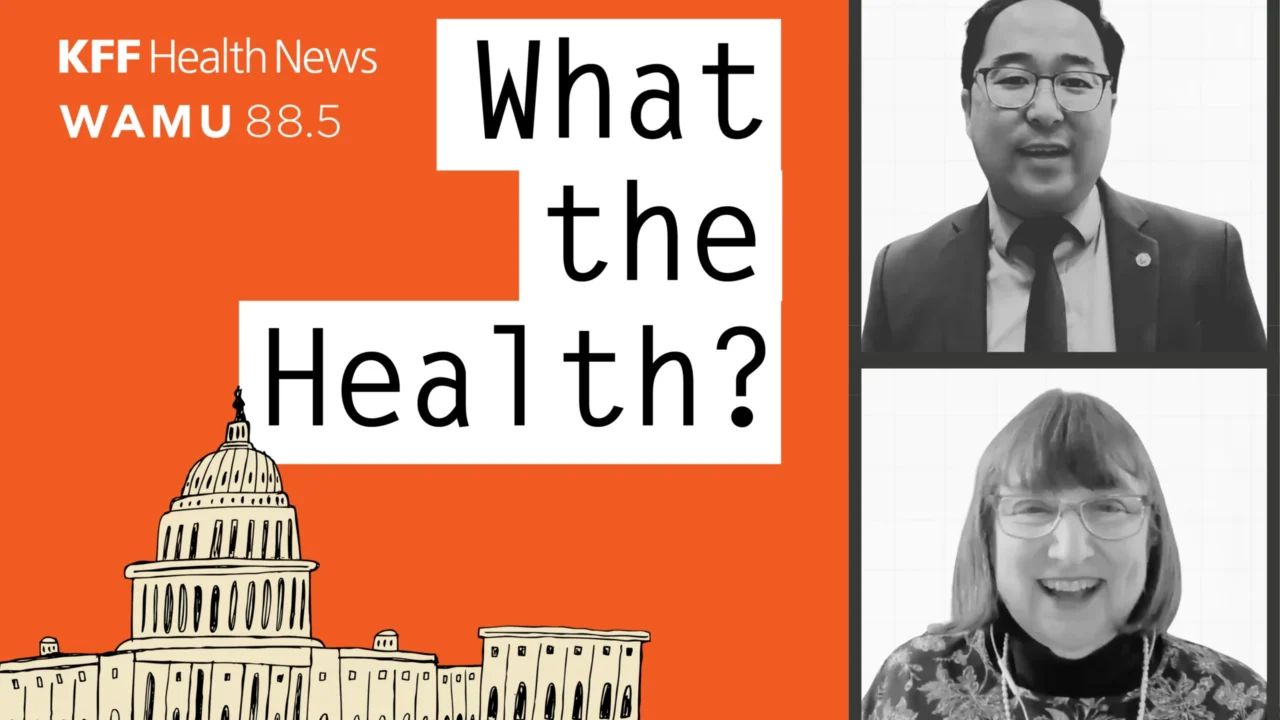
Senator Andy Kim, a Democrat from New Jersey, has proposed legislation designed to ensure that every child in the United States has access to health coverage from birth through age 26. The proposal, known as MediKids, would automatically enroll newborns into a public health insurance program, aiming to remove financial barriers for families seeking care for their children.
What Happened
In a detailed interview conducted by Julie Rovner, chief Washington correspondent for KFF Health News, Senator Kim outlined his MediKids plan as a comprehensive approach to guaranteeing health coverage for all American children. Kim serves on the Senate Health, Education, Labor and Pensions Committee and described the current gaps in children’s health coverage as a “dereliction of our duty.” Under the proposal, enrollment in the public health program would begin automatically at birth, and parents would retain the option to opt out. They could also reenroll their children at any time up until age 26, ensuring continuous access to healthcare during critical developmental years and early adulthood.
Key Facts
The MediKids plan has yet to be formally introduced as legislation but is positioned to gain attention if Democrats secure a congressional majority in upcoming elections. Senator Kim emphasized that automatic enrollment would guarantee children’s access to essential medical services during the stages of crucial physical and cognitive development. While the interview did not specify funding mechanisms or exact coverage details, the proposal aligns with public health goals to reduce chronic illness prevalence by providing early and consistent care.
What This Means
MediKids represents an ambitious effort to reshape health coverage by eliminating the financial instability that leaves many children uninsured or underinsured. The automatic enrollment model addresses common enrollment barriers families face, such as paperwork complexity and awareness of eligibility. By sustaining coverage until age 26, the proposal mirrors existing Medicaid provisions for young adults, potentially bridging gaps when young people transition out of parental insurance plans or face economic challenges.
From a public health perspective, extending and guaranteeing access to healthcare in childhood and early adulthood could prevent or mitigate chronic health conditions that often arise from untreated or poorly managed illnesses. A healthier youth population may reduce long-term healthcare costs and contribute to a more productive workforce in the future. Additionally, the proposal could stimulate a broader national conversation on how healthcare is structured for vulnerable populations, potentially influencing policies beyond the pediatric population.
Background
Current U.S. healthcare programs such as Medicaid and the Children’s Health Insurance Program (CHIP) provide coverage for many low- and moderate-income children, but gaps remain due to eligibility limitations, enrollment challenges, and varying state policies. Senator Kim’s proposal attempts to build on these frameworks by making coverage universal and automatic at birth, reflecting concerns from health advocates about the millions of children who remain uninsured or lose coverage during early childhood or young adulthood.
What Comes Next
Senator Kim indicated that he hopes the MediKids idea gains traction within Congress, particularly if Democrats win a majority in the midterm elections. He also mentioned that the proposal could become a more prominent part of healthcare debates leading into the 2028 presidential race, reflecting rising political and public interest in universal healthcare models. Further details on legislation text, funding sources, and implementation timelines remain to be developed.
Sources
This article is based on reporting and publicly available information from the following sources:
Read more Health & Public Health stories on Goka World News.