
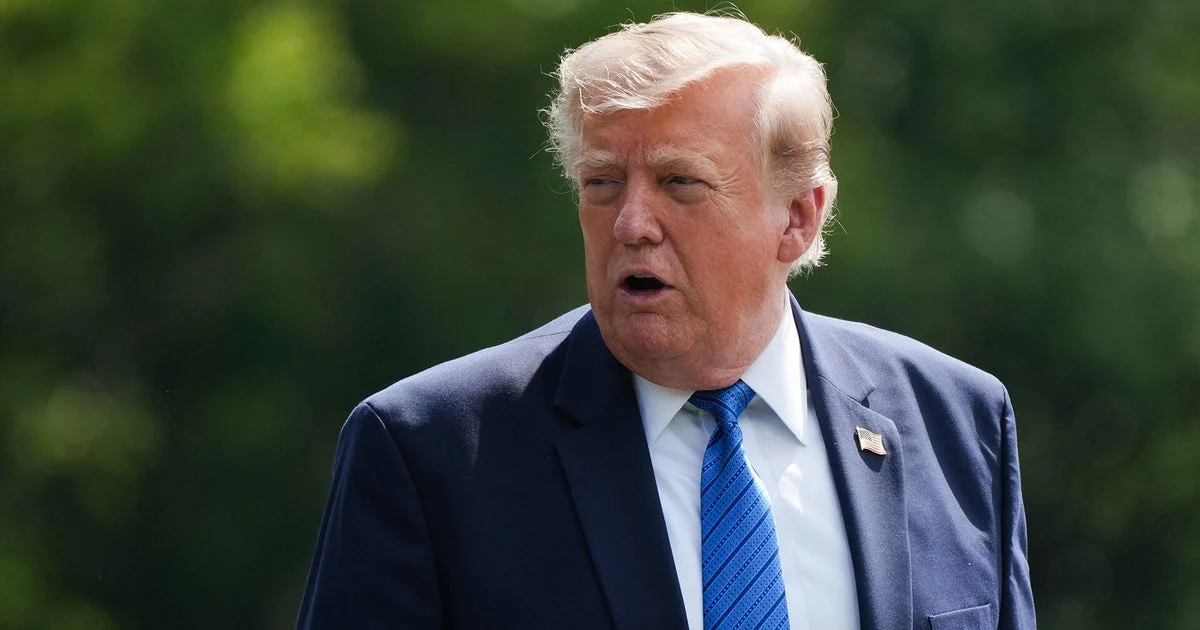
President Donald Trump has publicly rejected reports of significant shortages in the U.S. military’s munitions stockpiles amid the ongoing war with Iran, asserting that production is robust and defense capabilities remain strong. The dispute centers on claims that the United States has nearly exhausted key precision missile inventories while engaged in intense conflict operations.
What Happened
On August 6, 2026, President Trump took to his Truth Social platform to counter recent media reports alleging that the United States is running low on certain types of munitions, specifically long-range precision missiles, used extensively during the conflict with Iran. Trump emphasized large-scale munitions manufacturing efforts, asserting that “large amounts are being manufactured and shipped” to the U.S. as necessary and highlighted the construction of new defense plants as an unprecedented national effort.
These statements followed earlier reports from CBS News and Reuters that the U.S. military had nearly depleted its global stockpile of key weapons systems, including the Army Tactical Missile Systems (ATACMS) and Precision Strike Missiles, through use in “Operation Epic Fury.” The Pentagon and White House have pushed back against such claims, with senior officials affirming the military’s continued operational strength.
Key Facts
CBS News reported that the U.S. has used nearly all of its ATACMS and Precision Strike Missiles stockpiles in the Iran war, with multiple sources confirming low inventories. There are also concerns regarding the rapid depletion of defensive interceptors like Patriot and Terminal High Altitude Area Defense (THAAD) systems. A July Center for Strategic and International Studies (CSIS) analysis estimated a reduction from 2,330 to around 759–827 Patriots and from 452 to roughly 234–278 THAAD interceptors since the conflict began. CSIS projected that restoring these inventories to pre-war levels may not be feasible until at least mid-2029.
The Pentagon spokesperson, Sean Parnell, countered these reports by stating the U.S. military “possesses a deep arsenal of capabilities” and has successfully executed multiple operations across global combat zones.
Defense Secretary Pete Hegseth had earlier dismissed concerns as a “manufactured story,” asserting military stockpiles are “great” and strengthening.
White House Press Secretary Karoline Leavitt also denied reports of a conflict between Trump and Secretary Hegseth over these shortages during a recent cabinet meeting at Camp David.
What This Means
The debate over U.S. munitions inventory underlines the critical strain the Iran conflict is placing on American military resources and industrial capacity. If the reported depletion of advanced missile and interceptor systems is accurate, it could limit the U.S. military’s ability to conduct precision strikes and defensive operations at current levels over an extended period. Such shortages may also compel strategic recalibrations, impacting the U.S.’s posture and influence in the Middle East and beyond.
However, the administration’s strong rebuttals and emphasis on ramping up production highlight the balancing act between public perception, military readiness, and industrial logistics in wartime. For ordinary citizens and allies, reassurance of military strength is crucial amid ongoing tensions, while transparency about resource limitations could affect policy and diplomatic decisions.
Long-term, the need to replenish and expand munitions stockpiles could drive significant investments in defense manufacturing infrastructure, potentially shaping the U.S. defense industry landscape for years to come.
Background
The tension between the U.S. and Iran escalated into open conflict recently, involving extensive use of precision-guided weapons by American forces. Operation Epic Fury, the U.S. military campaign referenced in the reports, resulted in heavy ordnance expenditure, bringing attention to the sustainability of U.S. military supplies amid sustained combat.
The CSIS assessments serve as a benchmark for the inventory challenges facing the U.S., emphasizing the unprecedented drawdown of highly specialized interceptors essential for missile defense.
What Remains Unclear
While reports indicate significant depletion levels of specific missile stocks, exact current inventory counts remain undisclosed by the Pentagon. The scale and pace of ongoing manufacturing to replenish these arsenals are also not fully detailed. Additionally, the tensions regarding intra-government disagreements on the severity of the situation, as referenced by media allegations, have been officially denied but lack further transparency.
What Comes Next
The U.S. Department of Defense is continuing to oversee the ramp-up of munitions production and plant expansions, although timelines for restoring pre-conflict inventory levels remain uncertain. According to CSIS estimates, rebuilding missile and interceptor stocks could take several years, emphasizing the need for sustained defense industrial activity. Further statements and updates from Pentagon officials and the White House are anticipated as the conflict evolves.
Sources
This article is based on reporting and publicly available information from the following sources:
Read more Politics stories on Goka World News.