
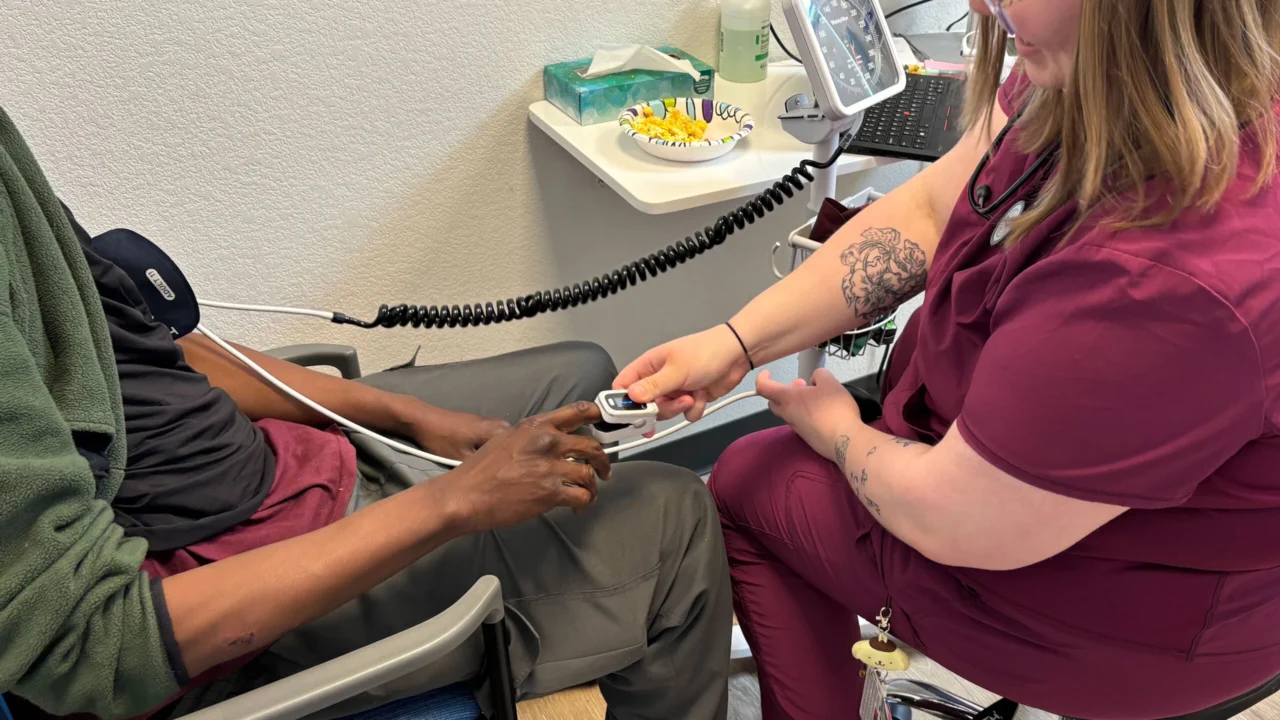
The introduction of federal Medicaid work requirements is threatening coverage for homeless individuals who face significant health challenges, according to reports from Montana. The new rules, finalized by the Centers for Medicare & Medicaid Services (CMS), demand that Medicaid recipients prove they are working, volunteering, or attending school unless they meet very specific exemption criteria. Notably, homelessness is not recognized as an automatic exemption, placing vulnerable populations like Tywon Pugh, a Missoula resident with seizures and substance use struggles, at risk of losing essential health coverage.
What Happened
In the spring, the federal government finalized Medicaid work requirement rules mandating that millions of beneficiaries demonstrate work-related activities to maintain coverage. States must begin enforcing these requirements starting in January, but Montana, Arkansas, and Nebraska have already moved forward with implementation. Montana plans to start removing beneficiaries who fail to meet compliance by October.
The regulations exempt certain groups from the work mandate, including those with disabilities, pregnant individuals, older adults, and Native Americans. However, the federal government explicitly excludes homelessness as a qualifying medical exemption, even though it has long been a concern for states. Montana and other states had proposed including homelessness in their exemption lists but were denied by CMS.
This leaves many homeless Medicaid recipients caught between their inability to meet work criteria and the lack of an official exemption for their situation. For example, Pugh, who has epilepsy and struggles with alcohol dependence after becoming homeless, fears losing access to medications that control his seizures and addiction treatment programs due to these new requirements.
Key Facts
Homelessness in the United States has increased 27% from 2013 to 2025, with roughly 746,000 people estimated to be without stable housing last year, according to the Department of Housing and Urban Development. Medicaid remains a critical source of care for this population, with reports indicating that 55% of patients served by Health Care for the Homeless programs are enrolled in Medicaid.
The Congressional Budget Office projects that enforcing work requirements could raise the number of uninsured Americans by over 5 million by 2034. In Montana, state agencies are still developing automated systems to verify medical exemptions related to disability or illness, which may not fully account for the complexities faced by homeless patients.
Health care centers serving low-income populations, such as Partnership Health Center in Missoula, rely heavily on Medicaid funding to continue providing care. Loss of coverage by many patients could jeopardize these clinics’ financial viability and limit access to specialty services, which are already scarce for homeless individuals.
What This Means
The exclusion of homelessness from Medicaid work exemptions imposes significant barriers for some of the nation’s most at-risk individuals, potentially pushing them further into cycles of illness and destitution. People like Pugh face multiple challenges that impede workforce participation—seizure disorders, addiction, and unstable living conditions—that are not easily navigated without continuous health support.
Removing Medicaid coverage from these groups could reduce access to critical medications and behavioral health services, risking worsening public health outcomes including increased emergency care usage and hospitalizations. It may also increase strain on safety-net providers and social services, which serve as fallback options but lack the capacity to replace comprehensive medical benefits.
This policy highlights broader systemic gaps in how work requirements intersect with social determinants of health. While the federal government positions the mandate as fostering employment and financial independence, the real-world effect may disproportionately harm individuals lacking stable housing and consistent access to health care.
Background
Medicaid work requirements have been a contentious issue for several years, with conservative policymakers advocating for increased personal responsibility among beneficiaries. Several states had pushed to recognize homelessness and other hardship conditions as grounds for exemption, but CMS underlines strict criteria that limit qualifying statuses primarily to medical disability or age.
Legal challenges have arisen, with 25 states — mostly led by Democrats — suing the CMS in June over the difficulty in assessing who qualifies as medically frail and the potential adverse impact of work requirements on coverage rates.
What Remains Unclear
Implementation logistics remain uncertain in several states, including how effectively health departments can automate exemption assessments or ensure beneficiaries have sufficient time and resources to report compliance. The federal government has not clarified if or how additional support will be provided to homeless populations to navigate new bureaucratic demands.
Additionally, the long-term effects on Medicaid enrollment, health outcomes, and costs are still under evaluation, especially given projected enrollment declines and the rising numbers of uninsured.
What Comes Next
States will continue rolling out or expanding enforcement of Medicaid work requirements starting January. Montana aims to remove non-compliant enrollees as soon as October. Advocacy groups may monitor and challenge these policies through litigation or legislative efforts, particularly focusing on protecting vulnerable populations with complex needs.
Meanwhile, social service providers and health care centers serving homeless and low-income patients prepare to assist with documentation and case management to minimize coverage losses.
Sources
This article is based on reporting and publicly available information from the following sources:
Read more Health & Public Health stories on Goka World News.