
Republican Senator Bill Cassidy of Louisiana played a pivotal role on August 7 by casting the deciding vote to confirm President Trump’s nominee, Todd Blanche, as the next U.S. attorney general. The confirmation came amid ongoing debates over the Justice Department’s use as a political tool and questions about how the department will function during the upcoming elections.
What Happened
As the Senate concluded its session for the summer on August 7, one of its final acts was confirming Todd Blanche as attorney general, passing by a razor-thin margin of one vote. Senator Bill Cassidy, who had expressed reservations about Blanche during earlier discussions, ultimately voted in favor after extended deliberation. Cassidy noted that while the decision was not clear-cut, he had weighed the evidence carefully and felt obligated to support a candidate who could provide stable leadership at the Department of Justice.
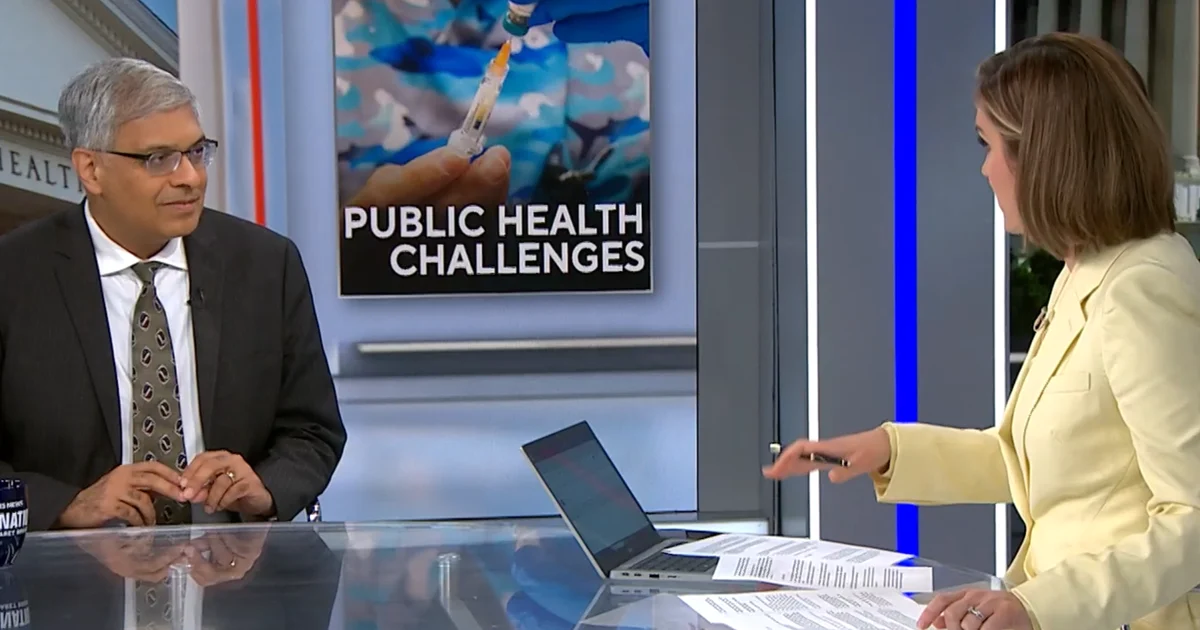
In a televised interview with CBS News, Cassidy detailed his concerns about several actions taken or reversed by Blanche, including the rescinding of an “anti-weaponization” fund intended to prevent political misuse of the DOJ and the narrowing of IRS investigation protections initially extended to the Trump family. While Cassidy acknowledged the narrowing of protections still did not go far enough and was “totally wrong,” he accepted it as part of a complex decision.
Key Facts
Senator Cassidy articulated three vital roles of the attorney general: advising the president, managing the Department of Justice, and overseeing U.S. attorneys nationwide. He spoke directly to U.S. attorneys in Louisiana, who reported positive morale and comfort with Blanche’s leadership amid a focus on combating violent crime and human trafficking.
Despite some Democrats’ skepticism, Cassidy expressed cautious confidence that Blanche would uphold the Constitution throughout the 2026 election cycle. He admitted the decision was filled with “gradation of gray” rather than clear black-and-white lines.
In addition to the confirmation vote details, Cassidy condemned recent antisemitic and Islamophobic remarks from some Republican colleagues targeting Muslim political candidates. He emphasized the importance of judging individuals rather than entire communities and condemned hateful rhetoric.
On Social Security reform, Cassidy outlined efforts to establish a bipartisan process to consider various proposals, including those from Democratic and Republican senators alike. However, these efforts faced obstacles, such as objections from Senator Ron Wyden, delaying potential solutions ahead of the program’s projected insolvency in six years.
What This Means
Senator Cassidy’s crucial vote highlights the delicate balance within the Senate on issues of judicial and executive branch oversight. His confirmation of Todd Blanche signals a preference for stability within the Department of Justice, particularly as concerns about political interference and election integrity intensify. For the public, this means the DOJ is expected to maintain operational focus on major crimes and fraud enforcement, a priority underscored by U.S. attorneys on the ground.
However, Cassidy’s nuanced stance reveals ongoing tension within both parties about the limits of DOJ independence and the trust placed in its leadership. His condemnation of extremist rhetoric also underscores an intraparty struggle over the tone and tenor of political discourse, reflecting broader national debates about religious tolerance and political unity.
On Social Security, the impasse illustrates the persistent challenge Congress faces in addressing looming funding crises amid polarized politics. Cassidy’s call for earnest legislative work offers a sobering reminder that critical reforms require bipartisan cooperation, a hurdle that remains high as the 2026 midterm elections approach.
Background
The Trump administration’s nominee, Todd Blanche, faced extensive scrutiny due to concerns over backlash from Democrats and critics worried about the DOJ’s potential weaponization for political ends. Previously, the confirmation process included contentious debate over executive actions such as protective orders around IRS investigations linked to the Trump family. Senator Cassidy was initially skeptical but sought assurances from experienced colleagues before voting to confirm.
Sources
This article is based on reporting and publicly available information from the following source:
Read more Politics stories on Goka World News.