
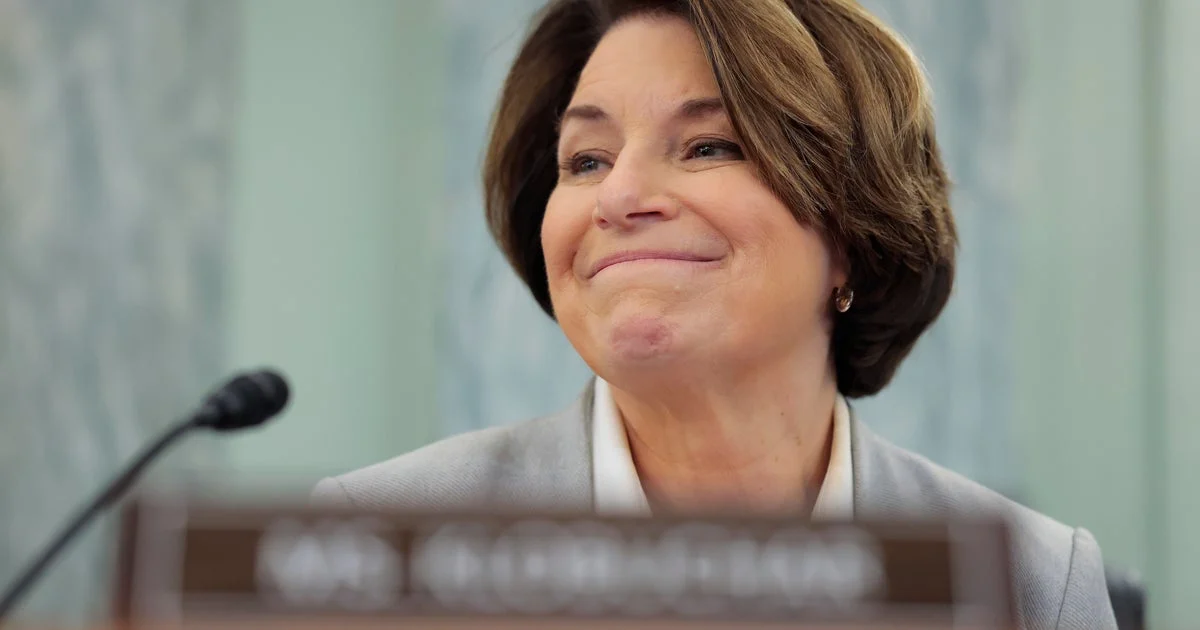
Senator Amy Klobuchar won the Democratic-Farmer-Labor (DFL) primary for Minnesota governor on August 11, 2026, firmly establishing herself as the party’s nominee ahead of the November general election. With a strong lead in votes counted, Klobuchar is poised to face Republican challenger Lisa Demuth for the state’s top executive post.
What Happened
According to projections by CBS News, Klobuchar secured the DFL nomination with over 89% of the vote after 16% of precincts reported, significantly outperforming six other Democratic candidates on the ballot. The Minnesota DFL officially endorsed Klobuchar and her running mate, former Fergus Falls Mayor Ben Schierer, in May. Klobuchar’s campaign capitalized on early polling strength and robust fundraising efforts to maintain a decisive lead through the primary.
Notably differentiating herself from outgoing Governor Tim Walz, Klobuchar highlighted state fraud issues as a core campaign theme. Walz chose not to seek a third term after facing Republican criticism regarding the state’s handling of fraud scandals. Klobuchar stated, “You expect leaders to deliver results, not excuses, and you are rightfully tired of this partisan theater and the punchlines. I will deliver those results. I’ve done it as senator and I will do it as your governor.”
Key Facts
Klobuchar has a strong record of success in Minnesota statewide elections, having won each of her four U.S. Senate campaigns by double-digit margins. Minnesota has not elected a Republican governor since Tim Pawlenty’s tenure ended in 2010. If Klobuchar wins the gubernatorial race in November, she will be required to resign her Senate seat. The governor will appoint a temporary replacement, with a special election scheduled to follow.
What This Means
Klobuchar’s primary victory not only cements her as the front-runner for governor but also signals a possible significant shift in Minnesota’s political landscape depending on the November outcome. Her emphasis on addressing fraud and restoring public trust reflects voter concerns that may influence broader state policies. Given her Senate history of strong electoral performances, Klobuchar’s candidacy could mobilize the Democratic base and impact legislative priorities in Minnesota.
Moreover, her potential transition from the Senate to the governorship would trigger a temporary appointment process for her Senate seat, introducing uncertainty into Minnesota’s federal representation ahead of the special election. This dynamic adds a layer of political strategy for both parties as they prepare for the upcoming electoral contests.
Background
Tim Walz, the current Democratic governor of Minnesota, opted not to run for a third term in January 2026 amid sustained Republican criticism over the state’s fraud crisis. The 2026 gubernatorial race attracted several Democratic contenders, but Klobuchar swiftly emerged as the consensus candidate following the DFL endorsement in May, buoyed by her extensive electoral experience and fundraising advantage.
What Comes Next
The next step for Klobuchar is the general election set for November 2026, where she will face Republican nominee Lisa Demuth, the current Minnesota House Speaker. Details on the general election campaign strategies and debates will likely evolve in the coming months as both candidates seek to consolidate voter support statewide.
Sources
This article is based on reporting and publicly available information from the following source:
Read more Politics stories on Goka World News.