
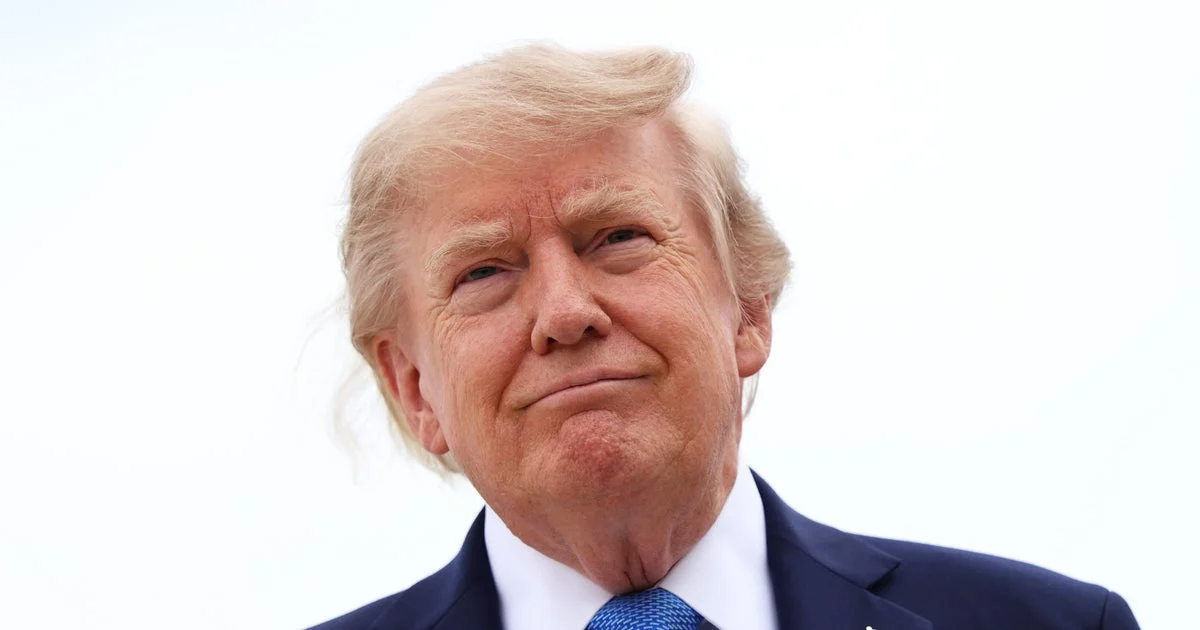
Former President Donald Trump dismissed concerns about the length and conditions of the USS Abraham Lincoln’s deployment in the Middle East, stating on August 14, 2026, that the nearly nine-month assignment was “not nearly long enough.” His remarks come amid heightened regional tensions following attacks on ships near the Strait of Hormuz and increasing military activity in the area.
What Happened
The USS Abraham Lincoln, a U.S. Navy aircraft carrier, has been deployed for almost nine months, operating initially in the Pacific before moving to the Middle East ahead of ongoing conflict involving Iran. On August 14, 2026, Trump addressed reporters at Joint Base Andrews, dismissing concerns raised by family members of crew about the deployment’s length and conditions aboard the ship. He confirmed that the Abraham Lincoln is in the process of being relieved by the USS George Washington, another aircraft carrier headed to the region.
Key Facts
- The USS Abraham Lincoln deployed in November 2025 and has been at sea for approximately nine months — longer than the usual six-month deployment cycle, according to U.S. officials.
- During this period, combat aircraft from the ship have launched more than 10,000 operations.
- Family members of service members aboard have voiced concerns about the extended deployment, including worries over mental well-being and ship conditions.
- The U.S. Navy has denied reports of increasing suicidal ideation or mental health crises aboard the ship, noting a decrease in such cases as the deployment progressed.
- On August 13, 2026, the United Arab Emirates accused Iran of attacking two vessels linked to its state-owned oil company passing through the strategically vital Strait of Hormuz.
- Vice President JD Vance emphasized that the top priority for the U.S. administration remains keeping oil and gas prices low for Americans and ensuring Iran does not develop a nuclear weapon.
- The USS George Washington aircraft carrier is en route to the Middle East to replace the Abraham Lincoln, as confirmed by a U.S. official.
What This Means
The extended deployment of the USS Abraham Lincoln highlights the durable and tense security situation in the Middle East, particularly around the Strait of Hormuz, a critical chokepoint for global oil shipments. The ongoing naval presence underscores the U.S. commitment to safeguarding maritime routes and regional allies amid escalation fears with Iran. Prolonged deployments place substantial strain on service members and their families, raising concerns about readiness and well-being, which Trump’s comments dismiss.
Replacing the Abraham Lincoln with the USS George Washington signals continuity in U.S. strategic naval operations despite internal debates about ship conditions and military resource management. The tensions reflect wider geopolitical stakes, including the U.S. goal to deter Iran’s nuclear ambitions and maintain energy market stability, which directly affects global economies and energy prices. The deployment thus not only shapes military posture but also influences international diplomatic and economic dynamics.
Background
The region has experienced rising volatility, with the U.A.E. accusing Iran of targeting oil-related shipping passing through the Strait of Hormuz. This waterway is vital for global oil supply and has been a hotspot amid the ongoing conflict between Iran and the U.S. Since early July 2026, hostilities have intensified, including drone attacks in northern Iraq and maritime strikes by Yemen-based Houthi rebels aligned with Iran. The U.S. maintains a military presence to deter escalation and protect allies, necessitating deployments like that of the Abraham Lincoln.
What Remains Unclear
While family members have expressed concern over the mental health of sailors aboard the Abraham Lincoln, the Navy disputes claims of a crisis, but the full scope of conditions aboard the ship remains undisclosed. The exact timing of the USS George Washington’s arrival and the Abraham Lincoln’s departure is not publicly announced for security reasons. Meanwhile, responsibility for recent attacks in the region is formally attributed by the U.A.E. to Iran, but further details on ramifications or retaliation plans are pending.
What Comes Next
The USS George Washington is en route to the Middle East to replace the Abraham Lincoln, marking a shift in naval assets aimed at sustaining U.S. operational capacity. Meanwhile, U.S. officials continue diplomatic and military efforts to manage regional tensions, with Vice President Vance publicly committing to averting higher oil prices and opposing the Iranian nuclear program. Further developments in regional security and maritime incidents are expected to influence U.S. military deployments and policy decisions in the coming months.
Sources
This article is based on reporting and publicly available information from the following sources:
Read more US News stories on Goka World News.