
The Democratic National Committee (DNC) officially adopted a new presidential primary calendar on August 15, 2026, designating South Carolina as the first state to hold its Democratic presidential primary in the 2028 election cycle. This decision marks a significant change in the traditional sequence of early primary states.
What Happened
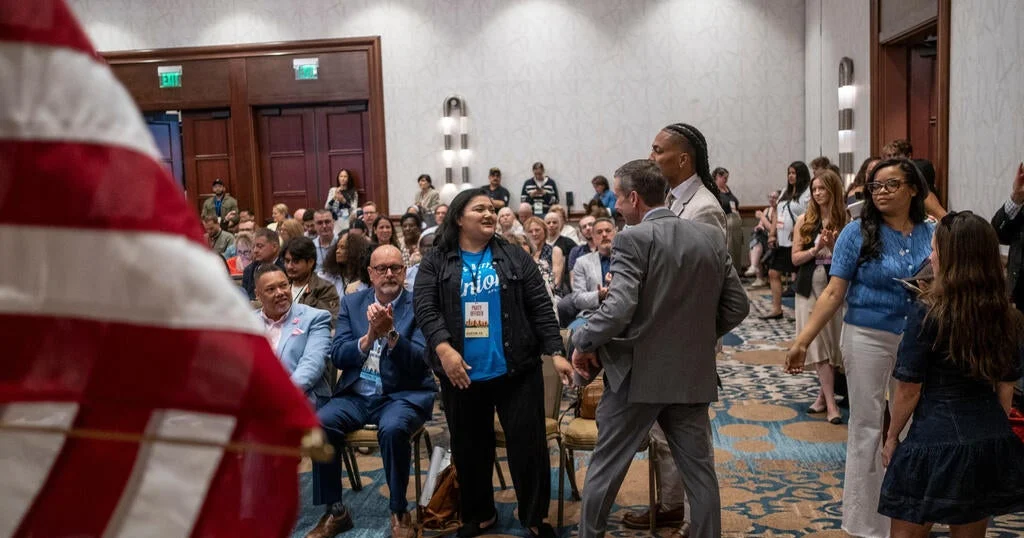
During the DNC’s summer meeting in Austin, members approved a new nominating calendar for 2028 that starts with South Carolina’s primary on January 22, 2028. Nevada will follow on February 1, and is succeeded by New Hampshire, New Mexico, Michigan, and Virginia throughout February before the broader Super Tuesday contests. This vote solidified South Carolina’s position as the initial primary state for Democrats, altering the longstanding early-voting order that previously prioritized Iowa and New Hampshire.
Key Facts
DNC Chair Ken Martin emphasized that this calendar change reflects the party’s strategy to strengthen its presidential bid by elevating states more representative of its coalition. The shift gives greater political influence to states with significant Black and Latino populations, traditionally underrepresented in the early nomination process.
New Hampshire and Iowa, both historically first in the primary lineup, strongly opposed the new structure. New Hampshire’s congressional delegation issued a statement defending their first-in-the-nation primary, highlighting their role in vetting candidates through direct voter engagement. Iowa Democratic Chair Rita Hart criticized the change, arguing it excludes key voter groups and compromises the process of selecting a strong nominee.
The calendar revision follows trends from the 2020 and 2024 cycles, when South Carolina’s primary results helped propel Joe Biden’s momentum. In 2024, despite the DNC’s move to put South Carolina first, New Hampshire held its primary earlier due to a state law; the DNC responded by stripping New Hampshire’s primary of its official status. For 2028, DNC leadership has signaled stricter enforcement to prevent similar conflicts.
What This Means
The DNC’s decision to elevate South Carolina as the first primary state signals a strategic effort to better align early contests with the party’s increasingly diverse base. This adjustment could reshape candidate strategies, compelling them to focus more on appealing to Black and Latino voters early in the race. It is a notable change from the previous emphasis on predominantly White states such as Iowa and New Hampshire.
This calendar change also intensifies the ideological contest within the Democratic Party. South Carolina’s electorate tends to favor more moderate candidates compared to some other early states like Nevada and New Mexico, which offer stronger opportunities for progressive contenders. The new lineup may influence which faction gains early momentum in the 2028 primary contest.
Additionally, by reinforcing the early role of states with diverse electorates, the DNC aims to bolster Democratic chances in the general election by energizing key voter bases that have shown shifting support patterns. Recent voting data indicate increased Republican inroads among Hispanic and Black voters, heightening the importance of these demographics in upcoming primaries and national campaigns.
Background
This decision builds on a momentum initiated in 2020, when Joe Biden’s victory in South Carolina reversed earlier underwhelming performances in Iowa and New Hampshire, positively impacting his overall primary campaign. Pressured by Biden and supportive allies, the DNC advanced South Carolina to the front of the line for the 2024 cycle, setting a precedent for the 2028 schedule.
The 2024 cycle also highlighted tensions between state laws and party rules when New Hampshire defied the DNC mandate by holding its primary before South Carolina, prompting the party to strip New Hampshire’s primary of its sanctioned status. The DNC’s announced stricter stance for 2028 aims to prevent similar defiance, indicating higher stakes for states attempting to maintain traditional early status.
What Remains Unclear
How New Hampshire and Iowa will respond to the 2028 calendar remains uncertain, particularly given their vocal opposition to the reshuffling. Whether New Hampshire’s primary state law will be challenged or amended ahead of 2028 is yet to be determined. The potential penalties that would be enforced if New Hampshire again violates the DNC calendar have not been fully outlined.
What Comes Next
The DNC will further coordinate with state parties to implement the new calendar, emphasizing compliance. The coming months are likely to see additional discussions on enforcement mechanisms. Candidates for the 2028 Democratic nomination will begin to tailor their campaign strategies with heightened attention to South Carolina’s electorate, as its primary now holds unprecedented influence as the opening contest.
Sources
This article is based on reporting and publicly available information from the following source:
Read more Politics stories on Goka World News.