
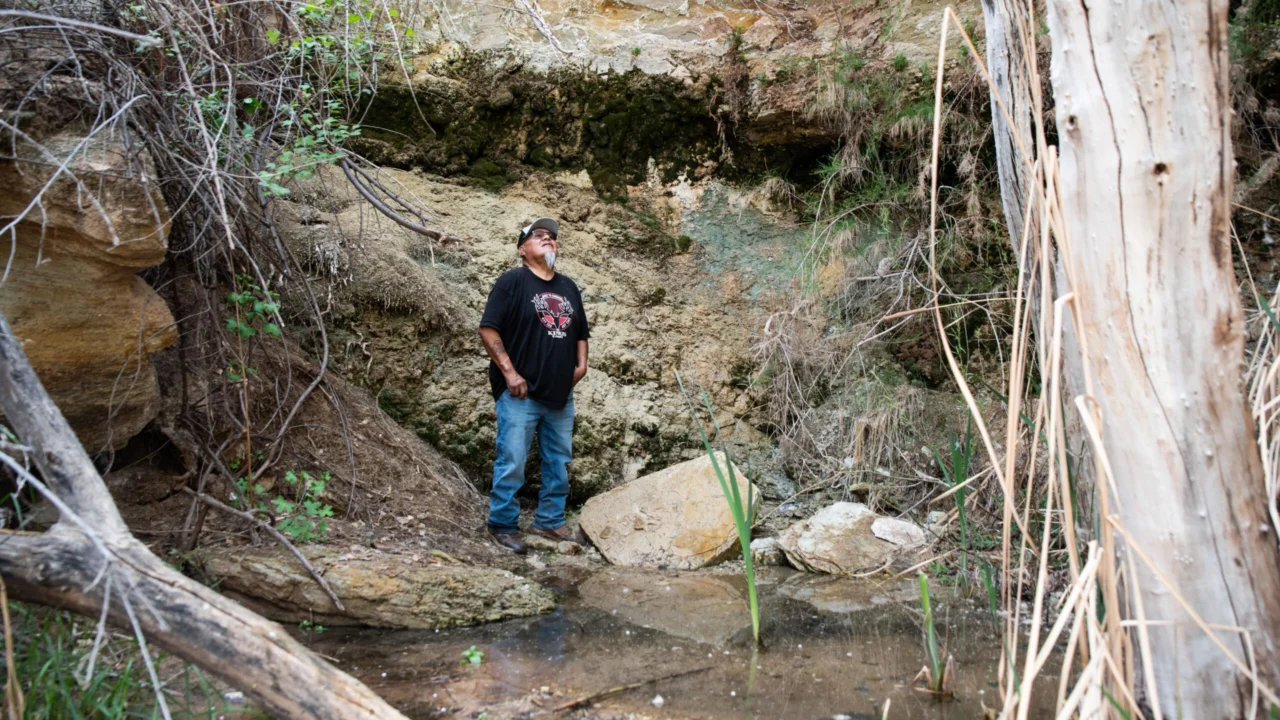
The expansion of domestic uranium production in the United States has reignited health concerns among tribal communities in the Southwest, particularly the Ute Mountain Ute Tribe in Utah. Despite assurances from state regulators and the mill’s owner that pollution from the White Mesa Mill is contained, tribal members question whether radioactive contamination threatens local air and water supplies.
What Happened
The White Mesa Mill in Utah, the nation’s only conventional uranium mill, is ramping up production to meet growing domestic demand driven by federal policies aimed at reducing uranium imports and expanding nuclear energy capacity. The mill processed one million pounds of yellowcake last year, with plans to more than double production this year. It also handles radioactive waste from international sites and is developing a rare earth elements processing business.
Local tribes, including the Ute Mountain Ute, Navajo, and Havasupai, raise concerns about environmental contamination, especially given the mill’s proximity to their lands and water sources. Protests and advocacy efforts continue against the mill’s plans to expand toxic waste storage closer to the White Mesa community. Their worries focus on the potential spread of radioactive waste through groundwater and air, despite official claims of safety and containment.
Key Facts
The White Mesa community lies about five miles south of the mill. Environmental monitoring has detected uranium levels in nearby springs—which are not used for drinking water—sometimes exceeding federal drinking water standards in past assessments. A 2021 EPA report confirmed a Clean Air Act violation at the mill due to inadequate controls on radon emissions, although remediation was completed and the mill passed air quality reviews in 2025.
The mill currently stores radioactive waste in five lined tailings cells covering 284 acres and plans to add new cells closer to tribal lands, raising opposition. About half of the mill’s 105 employees are Indigenous workers, but only a small number are from the Ute Mountain Ute Tribe.
What This Means
While the mill operates under regulatory oversight with measures intended to prevent environmental contamination, the legacy of uranium mining across the Colorado Plateau has left deep mistrust among tribal members. Past uranium mining exposed many Native American miners to elevated cancer risks without adequate warnings, and thousands of abandoned contaminated sites still pollute Navajo and surrounding lands.
The current expansion coincides with increased domestic nuclear fuel demand, making this a national priority. However, this effort poses complex challenges balancing energy security and economic interests against the potential health impacts on Indigenous communities, who remain skeptical about the true safety of uranium milling operations near their homes.
For the White Mesa Ute and other affected tribes, ongoing concerns about groundwater safety, air quality, and long-term health outcomes underscore a wider issue: how to respect Indigenous rights and environmental justice in energy infrastructure development. Their reluctance to use local water sources despite official assurances highlights a gap between regulatory confidence and community trust that will demand continued monitoring, dialogue, and transparency.
Background
Uranium mining boomed in the mid-20th century across the Four Corners region, with devastating health effects over decades, especially for Navajo miners unknowingly exposed to radiation. Federal investigations later confirmed inadequate protections and denied warnings. The extraction industry left a legacy of environmental contamination, including over 500 polluted sites on or near the Navajo Nation.
Recent federal policies, including a 2024 law banning Russian uranium imports by 2028 and former President Donald Trump’s directive to increase U.S. nuclear capacity, have revived uranium mining and milling activity. This has accelerated approvals for mines on federal lands, often provoking swift controversy and opposition from local tribes and environmental groups.
What Remains Unclear
Scientific assessments have not conclusively demonstrated health impacts from the mill’s emissions or wastewater at the community level. A 2023 federal health review suggested radiation levels monitored within White Mesa were unlikely to cause harm but noted limitations in assessing radon exposure on neighboring properties. It recommended expanded monitoring during peak mill operations.
Long-term effects on groundwater and cumulative exposure to airborne contaminants continue to be areas of uncertainty. The extent to which current regulations and modern safeguards can fully mitigate environmental risks—given historical contamination—is not fully resolved.
What Comes Next
The White Mesa Mill’s owner plans to expand waste containment facilities using triple-lined tailings ponds meeting updated standards. The tribal communities and advocacy groups intend to continue protests and demand stricter regulatory oversight. A University of Utah health survey is underway exploring cancer and asthma rates linked to the mill. Additional environmental sampling near the mill is also recommended by federal agencies to clarify potential exposure risks.
Federal priorities to increase domestic uranium production remain firm, but future regulatory decisions will likely face ongoing scrutiny from Indigenous communities seeking to protect their lands and health.
Sources
This article is based on reporting and publicly available information from the following sources:
Read more Climate & Environment stories on Goka World News.