
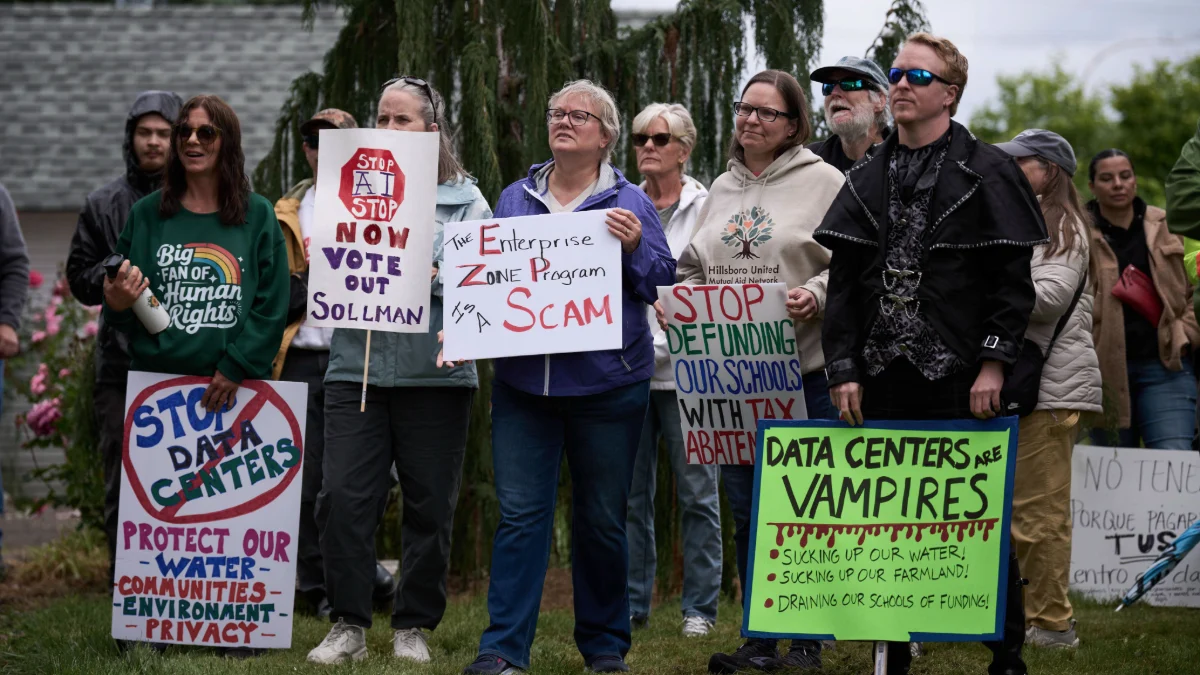
New York Governor Kathy Hochul has enacted the nation’s first statewide moratorium on hyperscale data centers, halting permit approvals for facilities consuming 50 megawatts or more of power. Signed into effect on July 14, the moratorium aims to provide a one-year window for state officials to design a comprehensive regulatory framework addressing the impact of large data centers on ratepayers, the environment, the power grid, and local communities.
What Happened
On July 14, 2026, Governor Hochul signed an executive order implementing a one-year pause on permits for hyperscale data centers across New York State. This moratorium specifically targets facilities drawing power at or above 50 megawatts, effectively suspending their development while state agencies undertake studies and stakeholder consultations. The announced purpose is to formulate a “nation-leading regulatory framework” that will safeguard energy consumers, community interests, and environmental quality as the state navigates data center expansion.
Key Facts
The moratorium is the first of its kind at a statewide level in the United States, though similar local moratoriums have arisen nationwide as municipalities seek time to evaluate data center projects more critically. The pause will last up to 12 months, pending the results of the state’s comprehensive review. It applies only to hyperscale facilities consuming large quantities of electricity, defined as 50 or more megawatts. During the study period, New York aims to assess impacts on electrical grid stability, water use, noise pollution, land use, and economic benefits.
Examples of guidelines that local governments elsewhere have adopted include prohibiting non-disclosure agreements that limit transparency about data center operations, requiring detailed disclosure of energy and water consumption, limiting tax abatements and fiscal incentives, and establishing stringent zoning rules that confine data centers to designated industrial areas with measurable landscaping and buffering standards.
What This Means
The statewide moratorium marks a significant shift toward proactive data center governance, highlighting growing concerns about the disproportionate environmental and infrastructure burdens these facilities can impose. For ordinary residents, this move promises greater transparency into how data center developments could affect electricity rates, local water resources, noise levels, and neighborhood livability. It also empowers communities with a stronger voice by mandating public involvement and disclosure, potentially setting new standards for corporate accountability.
From a policymaker’s perspective, the moratorium grants necessary time to draft enforceable rules that regulate development impacts, energy procurement, and tax incentives in a coordinated, statewide manner—addressing inconsistencies between local jurisdictions. Moreover, it underscores the tension between economic growth interests and sustainability, prompting a comprehensive balancing act that many states have yet to undertake.
Background
Prior to New York’s action, numerous local governments across the U.S. had enacted temporary moratoriums on data center construction to pause and evaluate impacts and regulatory gaps. For instance, in May 2026, Cuyahoga County, Ohio, published detailed recommendations that emphasize permit scrutiny, transparency requirements, community involvement, and environmental safeguards. Similarly, various states in the PJM Interconnection grid region have begun drafting legislation to condition data center operations on service interruptions during grid emergencies.
What Remains Unclear
Though the moratorium imposes a ceiling of one year, the exact timeline for finalizing and implementing the regulatory framework remains undetermined. Details about whether the future guidelines will include mandatory renewable energy procurement, limits on tax abatements, or enforceable penalties for non-compliance have not been disclosed. It is also uncertain how the framework will interact with ongoing or proposed local ordinances and whether appeals by developers could delay or circumvent new regulations.
What Comes Next
During the moratorium period, New York will conduct studies and engage with communities, industry representatives, and environmental groups to formulate detailed policies. Public consultations and transparent reporting are anticipated to be key components of the process. Civil society organizations have planned a webinar titled “You Passed a Data Center Moratorium; Now What?!” on August 19 to guide local officials through post-moratorium regulatory steps.
Sources
This article is based on reporting and publicly available information from the following sources:
Read more Climate & Environment stories on Goka World News.