
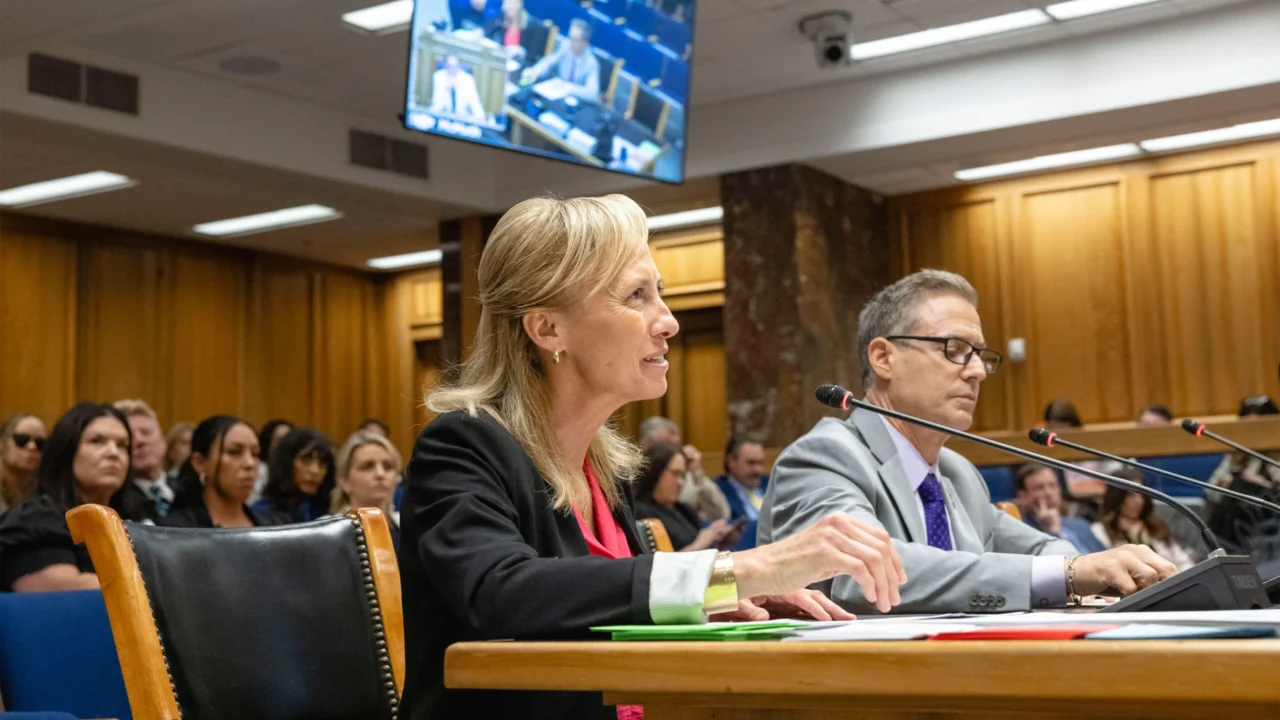
Evelyn Griffin, the recently appointed surgeon general of Louisiana, is pursuing a transformation of the state’s public health approach by emphasizing disease prevention rather than treatment. Her appointment comes amid ongoing debates over vaccine policies and government mandates, reflecting broader national tensions surrounding public health measures.
What Happened
In December 2024, Governor Jeff Landry, a conservative Republican, named Evelyn Griffin as Louisiana’s surgeon general. Griffin, a longtime obstetrician-gynecologist without formal infectious disease or public health training, had previously testified against adding COVID-19 vaccines to the state’s school immunization schedule. This marked a significant shift in Louisiana’s public health leadership, given the state’s historically poor health outcomes. Griffin also serves on the federal Advisory Committee on Immunization Practices (ACIP), where she voted to limit COVID-19 vaccine access and recommended ending universal newborn hepatitis B immunizations—actions that were legally challenged.
Since assuming office, Griffin has advocated for “dramatic transformational change” in healthcare, focusing on women’s health, rural health, and addressing root causes of disease. She has appeared at alternative health gatherings promoting lifestyle and faith-based wellness and has publicly questioned vaccine mandates and questioned established public health guidance. Despite her ambitions, Griffin has yet to enact major policy changes, encountering legislative resistance on vaccine-related bills.
Key Facts
Louisiana has the nation’s worst health outcomes, grappling with chronic disease burdens and social determinants of health. By December 2021, the state recorded over 14,000 COVID-19 deaths, including a surge that claimed six pregnant women within two months. Griffin joined ACIP in September 2024 under Health Secretary Robert F. Kennedy Jr., known for his controversial vaccine skepticism. At ACIP meetings, Griffin expressed uncertainty about vaccine safety in relation to autism, echoing disputed claims. She also supported increased access to ivermectin for COVID-19, a treatment shown ineffective by numerous studies. Her stance has sparked warnings from public health experts about potential risks to disease control.
Griffin’s background includes work within Louisiana’s largest health system, Ochsner Health, before resigning amid disputes over pandemic responses. She and her husband, vascular surgeon Joseph Griffin, are active in alternative health circles and state-level conservative health movements aligned with vaccine skepticism. Griffin publicly supports recent bans on government health mandates and gender-transition treatments for minors.
What This Means
Griffin’s leadership illustrates a growing challenge to traditional public health practices in Louisiana and potentially nationwide. Her focus on prevention over treatment aligns with broader calls for addressing lifestyle and social factors influencing health but is layered with skepticism toward vaccination and established infectious disease controls. This mix creates tension in a state vulnerable to outbreaks and chronic health crises.
Her position enables significant influence over state policy and public opinion, which could reshape how Louisiana manages disease prevention and public health interventions. However, public health experts warn that restricting vaccine access and government health powers could increase risks of disease outbreaks and complicate responses to future pandemics. While prevention efforts can improve long-term health outcomes, undermining vaccination and other proven strategies may have immediate adverse effects, particularly in a state where infectious diseases continue to cause substantial morbidity and mortality.
Griffin’s background and alliances signal the entrenchment of alternative health concepts and political ideology in public health leadership, complicating efforts to rely on consensus science and evidence-based policies. Her reliance on faith and lifestyle as cornerstones of health, alongside controversial figures known for fringe medical views, reflects a cultural shift affecting policy debates in health care and disease control.
Background
Griffin’s public health views crystallized during the COVID-19 pandemic when she opposed mandates on masking, vaccines, and treatments promoted by mainstream medical authorities. Her testimony against requiring COVID-19 vaccines for schoolchildren in 2021 cited historical references to vaccine-related drug tragedies and medical ethics trials, arguments which helped sway the state away from adopting such a mandate.
The state’s resistance to vaccine mandates and Griffin’s advocacy have parallels with national movements opposing government public health interventions during the pandemic. Louisiana’s legislative attempts, influenced in part by Griffin and aligned groups, reflect a broader trend to curtail public health authority, with potential implications for disease control and health equity.
Analysis
Experts like Georges Benjamin, chief executive of the American Public Health Association, describe Griffin’s views as “very dangerous,” highlighting concerns over potential increases in preventable illness and death if vaccination and public health authorities are weakened. Conversely, some colleagues, including Kirk Milhoan, chair of the federal vaccine panel, defend Griffin’s commitment to caring for Louisiana’s population, noting her political inexperience but endorsing her readiness to promote health reforms.
What Remains Unclear
The effectiveness and consequences of Griffin’s alternative health policies remain uncertain. It is unclear how much her preventive health focus will reduce chronic diseases or how public health authorities will manage infectious disease outbreaks under her influence. Regulatory agencies have not yet determined the future of vaccine mandates and public health powers in Louisiana amid ongoing legislative debates.
What Comes Next
Griffin has testified recently on bills related to restricting vaccine mandates and expanding alternative treatments though these have faced legislative rejection. Her role as surgeon general primarily serves as an advisory position, meaning her influence will largely depend on collaboration with the governor, state health secretary, and lawmakers. Further developments in state health policies will indicate the extent of her impact on Louisiana’s health landscape.
Sources
This article is based on reporting and publicly available information from the following sources:
Read more Health & Public Health stories on Goka World News.