
The United States has intensified its economic campaign against Iran as part of a broader conflict affecting the Middle East. Despite President Donald Trump’s assertion that Iran remains unwilling to accept a “right deal,” Tehran has simultaneously sought to bolster economic ties with regional partners, including a recent trade agreement with Oman. This dynamic unfolds amidst ongoing military tensions involving Iran-backed groups in Lebanon and stalled negotiations over crucial strategic waterways like the Strait of Hormuz.
What Happened
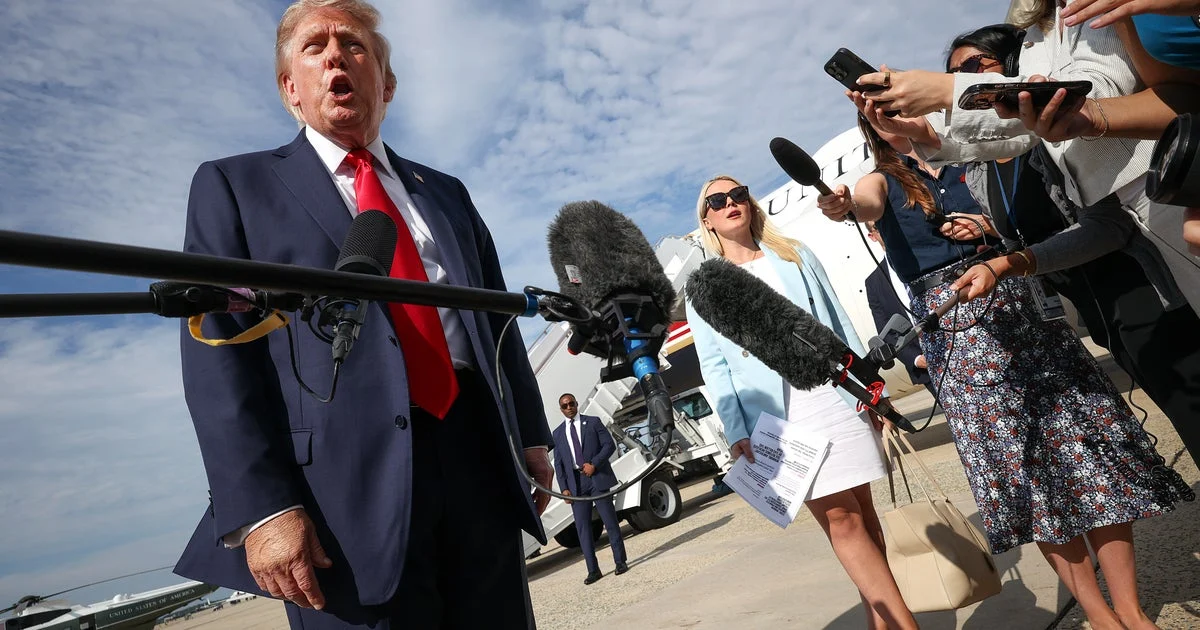
On August 21, 2026, President Trump publicly stated that Iran “would love to make a deal” but “are not ready to make the right deal,” indicating Washington’s frustration as it pursues maximum pressure strategies against Tehran. The U.S. government, including Treasury Secretary Scott Bessent and Vice President JD Vance, emphasized the use of economic sanctions and diplomatic isolation as principal tools to weaken the Iranian regime. Concurrently, Iranian officials announced the finalization of a preferential trade agreement with Oman, reflecting Tehran’s effort to deepen regional economic cooperation as a countermeasure to U.S. sanctions.
On the ground, military operations continue in areas affected by the broader U.S.-Iran conflict. The Israel Defense Forces reported a strike within its occupied “Security Zone” in southern Lebanon targeting individuals considered threats to Israeli forces, underlining the persistent volatility in the region. The World Bank also reported on the severe economic contraction in Lebanon, projecting a 6.4% GDP decrease for 2026 driven by the ongoing conflict and instability related to Iran-backed Hezbollah’s activities and Israeli military responses.
In another development, Iran’s parliament moved to increase penalties against Iranians who engage with foreign media without government permission, signaling Tehran’s attempts to stifle external scrutiny amid the conflict and sanctions.
Key Facts
President Trump highlighted Iran’s dire economic and military conditions, noting “no money, no navy, no air force,” and an inflation rate at 350%. He asserted U.S. control over the Strait of Hormuz and surrounding land regions, a critical choke point for global energy shipments.
Treasury Secretary Scott Bessent declared expectations that both U.S. allies and rivals would partake in the “toughest sanctions in history” against Iran. Vice President JD Vance called economic pressure the “most effective tool” available to the U.S. administration.
Iran’s parliament has enacted stricter legislation potentially sentencing up to two years in prison for unauthorized contact with foreign media and up to ten years for educational activities seen as conflicting with Iranian cultural standards.
The Israel Defense Forces struck a building in the southern Lebanese territory they occupy, targeting suspects considered threats, in line with ongoing operations against Hezbollah militants linked to Iran. Since March 2026, the Lebanese Health Ministry reports over 4,340 fatalities resulting from Israel’s military campaigns.
The World Bank forecast a 6.4% contraction of Lebanon’s economy in 2026 due to conflict-related disruptions, inflation rising to 17.5%, alongside decreased tourism and ongoing displacement.
High-level diplomatic talks between Oman’s and Iran’s foreign ministers sought to renew discussions concerning navigation and security in the Strait of Hormuz, despite previous stalled negotiations and public U.S. criticism of Oman.
What This Means
The escalated U.S. economic pressure on Iran signifies Washington’s strategic pivot toward intense financial warfare, seeking to undermine Tehran’s ability to sustain its military and regional influence. This approach not only aims to cripple Iran internally but also attempts to isolate it regionally by targeting trade avenues and enforcing sanctions more aggressively.
Tehran’s response—particularly its new trade pact with Oman and efforts to tighten control over domestic information flow—reflects resilience and adaptation amid growing international pressure. These measures show Iran solidifying alliances to circumvent U.S. sanctions and maintain critical supply lines, which could prolong the conflict.
The continuing military hostilities in Lebanon, driven by Iran-backed Hezbollah and met with Israeli strikes, underscore the broader destabilizing impact of the U.S.-Iran confrontation across the Middle East. The sustained fighting and economic dislocation in Lebanon highlight the humanitarian consequences beyond Iran’s borders.
Additionally, the standoff at the Strait of Hormuz, a vital artery for global oil shipments, maintains a tense powder keg scenario where any escalation could disrupt global energy markets, influencing worldwide economies and geopolitical alignments.
Background
The current conflict traces back to early 2026 when the U.S. and Israel launched a concerted military and economic campaign against Iran following attacks by Iran-supported proxies such as Hezbollah. Previous U.S. sanctions efforts dating back to 2012 and 2018 have been described by Iranian officials as failures, yet the Trump administration has declared its current “economic D-Day” strategy as unprecedented and definitive.
Looming tensions over strategic waterways like the Strait of Hormuz have persisted, with failed talks earlier in the month regarding management and security measures, exacerbated by public U.S. threats against Oman, a key regional mediator and Iran’s trade partner.
What Remains Unclear
The fate of recent Iranian parliamentary legislation concerning media engagement awaits final approval by higher authorities. Details about precise military capabilities and resilience of Iran’s defense industry, which Iranian officials claim has increased production despite strikes, remain unverifiable.
The full extent of allied and rival nations’ participation in implementing the U.S. sanctions campaign is yet to be determined, as are the detailed outcomes of ongoing diplomatic negotiations over the Strait of Hormuz’s control and regional navigation security.
What Comes Next
Diplomatic efforts to resume dialogue over navigation and security in the Strait of Hormuz will continue, as indicated by the recent telephone conversation between the foreign ministers of Oman and Iran. The U.S. administration remains poised to maintain or escalate its economic warfare activities, seeking regional cooperation in enforcing sanctions.
Military engagements, particularly in Lebanon and surrounding areas, are expected to persist as Israel and Iran-backed groups maintain opposing campaigns. Iran is likely to proceed with enforcing tougher measures on domestic media interactions and cultural activities linked to foreign organizations.
Sources
This article is based on reporting and publicly available information from the following source:
Read more Politics stories on Goka World News.