
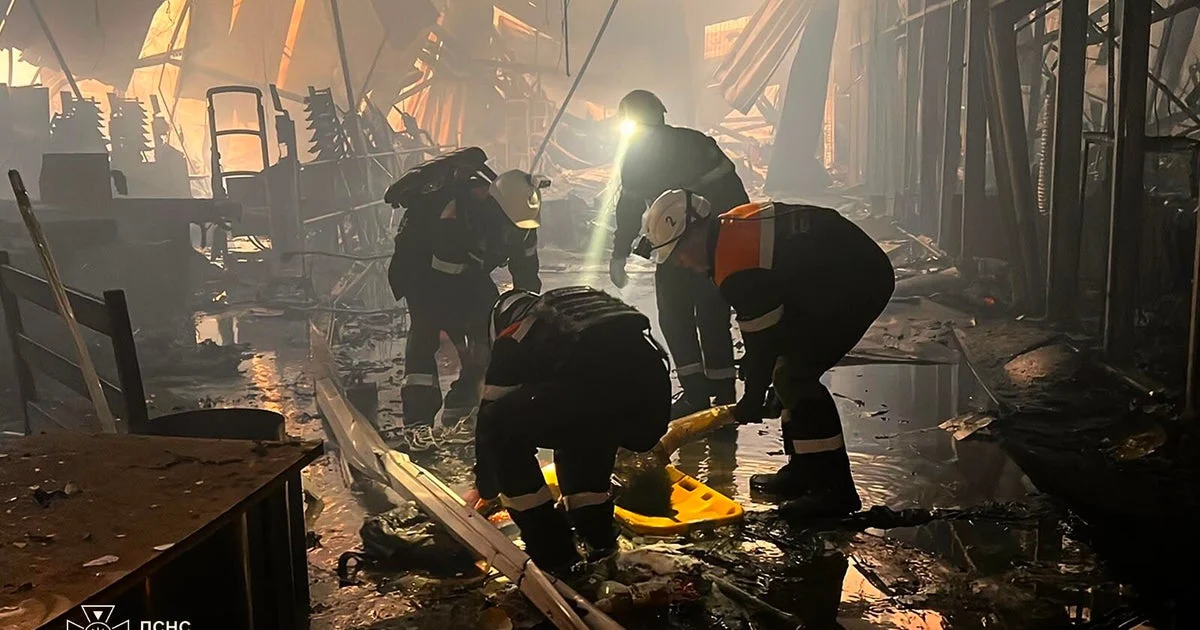
Recent military strikes between Russia and Ukraine have resulted in at least 10 deaths, compounding the tragedy of a deadly Russian drone attack on a Ukrainian shopping mall that killed 16 people and injured more than 130. These escalating attacks highlight the persistent intensity of the conflict, with both sides targeting critical infrastructure and civilian areas.
What Happened
On August 22, 2026, multiple drone and missile strikes took place across Ukraine and Russia’s Krasnodar region. Russian forces launched ballistic missile attacks on Kyiv and its surrounding region, killing four civilians and damaging railway infrastructure. In parallel, Ukrainian drones targeted Russia’s Krasnodar area, killing two children and wounding two adults.
These attacks followed a lethal Russian drone strike the previous day on a shopping mall in Kryvyi Rih, central Ukraine, which left 16 people dead and injured over 130. Russian missile strikes continued overnight, hitting locations in the Zaporizhzhia region and Kyiv area, while Ukraine’s response targeted military and civilian infrastructure inside Russia.
Key Facts
- A Russian drone strike on a Ukrainian shopping mall in Kryvyi Rih killed 16 people and wounded more than 130, with nine people still reported missing (Dnipropetrovsk regional authorities).
- Russian ballistic missile strikes on Kyiv and its surrounding region killed one person and wounded another in the capital; two others died in separate strikes in the Kyiv region (Ukrainian President Volodymyr Zelenskyy, local officials).
- Russian drone strikes in Zaporizhzhia killed one person overnight and three more during the day, injuring at least 15; additional injuries occurred from a minibus attack in Zaporizhzhia city (local officials, Zelenskyy).
- Ukrainian drone attacks killed two children and wounded two adults in Russia’s southern Krasnodar region (Russian regional authorities).
- Germany’s Foreign Minister Johann Wadephul, visiting Kyiv, condemned Russia’s intensified aggression and pledged an additional $58 million in humanitarian aid to Ukraine (AFP).
What This Means
The recent escalation in drone and missile attacks underscores the fragile security situation in eastern Europe, particularly the high risk to civilians in contested areas. The striking of civilian infrastructure such as shopping malls and railway depots reveals a disturbing trend of targeting public spaces that amplify humanitarian suffering and complicate efforts toward stability.
Russia’s intensification of ballistic missile assaults exploits Ukraine’s limited air defense capabilities, notably the shortage of U.S.-provided Patriot interceptors, exacerbating Kyiv’s vulnerability to further attacks. Meanwhile, Ukraine’s counterstrikes on Russian territory signal a continuing ability to strike back across the border, which could fuel further retaliatory cycles.
This pattern of escalating violence disrupts transport and civilian movement, heightening the humanitarian crisis and challenging international diplomatic initiatives aimed at conflict de-escalation.
Background
The Russian-Ukrainian conflict has persisted for years, punctuated by periodic escalations in violence. Recently, Russia has intensified ballistic missile attacks on Kyiv and other strategic targets, while Ukraine has sought to respond with drone strikes targeting Russian regions near the border. The conflict includes ongoing struggles over control of territory and infrastructure, with both sides facing significant civilian casualties and displacement.
Reactions
Germany’s Foreign Minister Johann Wadephul denounced the surge in Russian attacks as a deliberate terror campaign against civilians, emphasizing Germany’s unwavering support for Ukraine. During his visit to Kyiv, Wadephul pledged increased humanitarian aid totaling $58 million, underscoring the international community’s concern over Russia’s continued offensive.
What Comes Next
The conflict shows no immediate signs of abating, with further missile and drone attacks expected. Ukraine remains reliant on international military support, including missile defense systems, to protect its critical infrastructure in Kyiv and beyond. Diplomatic efforts continue amid escalating assaults, but specific negotiations or ceasefire plans were not confirmed in the latest reports.
Sources
This article is based on reporting and publicly available information from the following source:
Read more World News stories on Goka World News.