
NASA engineer Lindsey Jacobson is advancing the agency’s ability to anticipate and manage potential disruptions in its Earth-observing satellite missions, ensuring crucial planetary data remains uninterrupted for scientists and policymakers. Her work supports NASA’s Earth Science Division by providing foresight tools that help senior leaders prepare for mission delays or failures before they occur.
What Happened
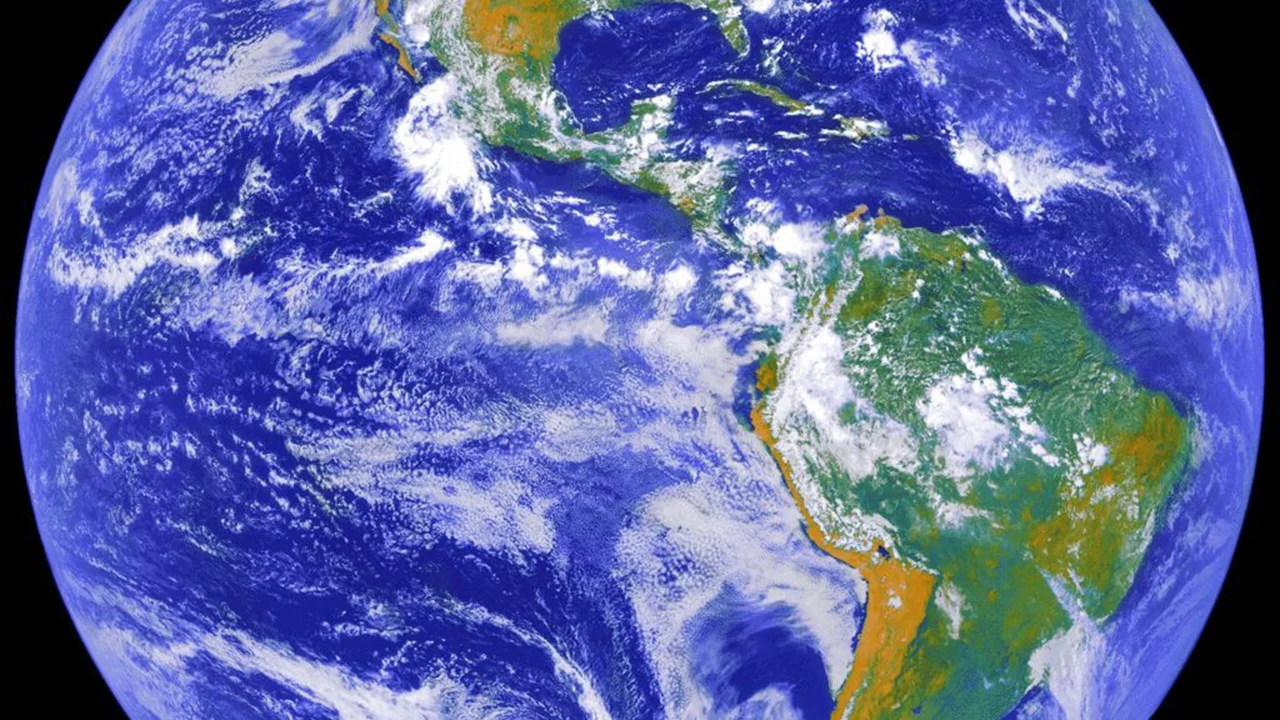
Working at NASA’s Langley Research Center through a Pathways internship program, Lindsey Jacobson contributes to the NASA Earth Science Strategic Integration Environment (NESSIE) team. The team focuses on supporting NASA’s extensive Earth-observing satellite portfolio, which tracks diverse climate and environmental variables such as aerosols, sea levels, land cover, and clouds. With dozens of missions providing data critical to scientific and operational communities, NESSIE helps navigate the uncertainty surrounding mission lifetimes, schedules, and potential on-orbit anomalies.
Jacobson’s role involves developing analysis tools that give the team a “foresight ability”—the capacity to anticipate various scenarios that might impact NASA’s Earth science missions across the portfolio. These tools allow NASA leadership to visualize potential data coverage gaps and evaluate alternative strategies proactively, rather than reacting after an event unfolds.
Key Facts
Jacobson operates within the Systems Analysis and Concepts Directorate at Langley Research Center, collaborating with the NESSIE team under NASA’s Earth Science Division. NASA’s Earth-observing satellites collect long-term, multispectral data essential for tracking planetary changes. The NESSIE framework supports scheduling and risk assessment for dozens of active and planned satellite missions. Using foresight tools, the team identifies vulnerabilities and mitigation options ahead of time.
This proactive approach parallels disaster preparedness principles, such as pre-positioning supplies before a hurricane strikes, ensuring preparedness rather than scrambling in crisis. The work also incorporates evolving technologies like artificial intelligence to enhance analysis efficiency and adaptability.
What This Means
By enabling NASA to anticipate where and when data interruptions in Earth observation may arise, Jacobson’s work protects the continuity of vital environmental information relied upon worldwide for climate research, disaster response, and policy formulation. Handling uncertainties in mission operations is increasingly critical given the growing complexity of the Earth science satellite portfolio and the expanding number of commercial and international data contributors.
This foresight capability reduces risks associated with unexpected satellite failures or launch delays, helping prevent costly data gaps that could hinder scientific understanding and operational decision-making. Furthermore, it illustrates a shift in space mission management—from reactive problem-solving to strategic planning—reflecting the dynamic landscape of satellite technologies and orbital assets.
Jacobson’s approach, inspired by her graduate research on managing complex infrastructure systems, emphasizes adapting and evolving existing satellite assets rather than relying on wholesale replacements. This mindset is vital as NASA balances legacy missions with innovative new platforms and partnerships in Earth observation.
Background
NASA’s Earth Science Division oversees a diverse suite of satellite missions that have monitored planetary features over decades, generating invaluable datasets on atmospheric composition, ocean temperatures, and terrestrial environments. The NESSIE initiative at Langley Research Center was established to aid decision-makers by integrating system analysis and strategic planning to sustain data continuity amidst operational uncertainties.
What Comes Next
NASA will continue refining the foresight tools Jacobson and the NESSIE team develop, integrating advanced data analytics and AI capabilities to enhance prediction accuracy. This ongoing work supports informed decision-making for mission scheduling, asset management, and technology investments, securing the future of Earth system monitoring as the agency prepares for upcoming satellite launches and evolving observational architectures.
Sources
This article is based on reporting and publicly available information from the following sources:
Read more Space & NASA stories on Goka World News.