
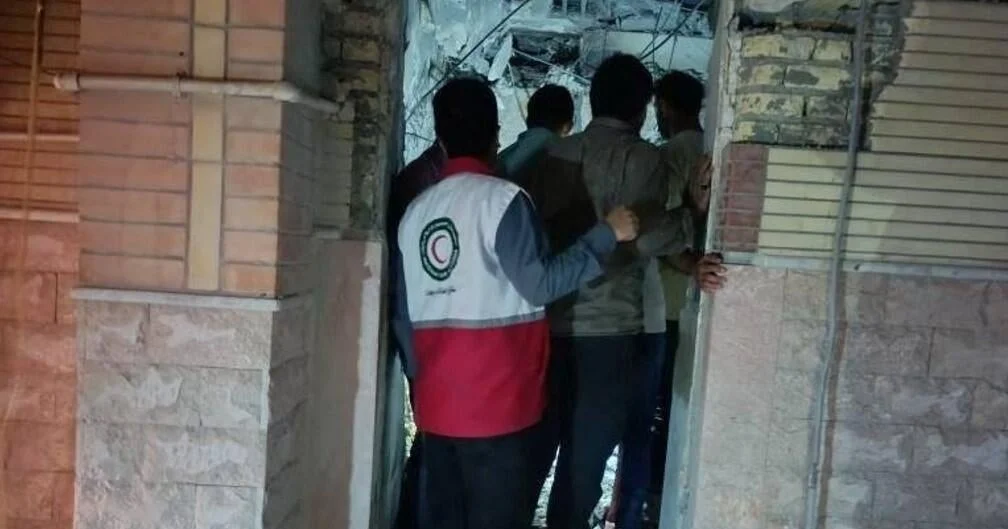
Iran has intensified its conflict with the United States and its regional allies after accusing the U.S. military of bombing a wedding party in southern Iran, an attack Tehran says killed or wounded more than 50 civilians. In retaliation, Iran launched missile and drone strikes against several American-aligned Gulf states, escalating the Middle East confrontation further.
What Happened
On the evening of September 1, 2026, Iran’s southern Hormozgan province, specifically the Sirik district town of Kuhestak, was reportedly struck by a U.S. airstrike targeting a wedding celebration at a private home. Iranian state media and officials claim multiple missiles hit the gathering, killing at least four people and injuring dozens—figures ranging up to nearly 70 casualties have been cited by the Iranian Red Crescent Society. In response, on September 2, Iran’s Islamic Revolutionary Guard Corps (IRGC) announced attacks using missiles and drones against U.S. military targets and allied bases across the Middle East, including facilities in Jordan, the United Arab Emirates, Kuwait, Bahrain, and northern Iraq.
Jordanian military sources confirmed Iranian-launched ballistic missiles targeting Jordanian territory, with the majority intercepted. Similarly, Bahrain and other Gulf countries reported thwarting or neutralizing Iranian drone and missile attacks. Kuwait announced that a residential complex fire, caused by an Iranian drone strike, was quickly contained with no casualties.
Key Facts
- Iran alleges the U.S. airstrike struck a wedding party in a private home in Kuhestak, Hormozgan province, southern Iran, on September 1, killing or wounding more than 50 people, including women and children (Iranian Foreign Ministry).
- State media reported at least four deaths and dozens wounded, with some critically injured (IRIB, Iranian Red Crescent Society).
- Iran launched missile and drone retaliatory strikes against multiple bases hosting U.S. forces or allies: alleged targets include Camp Tabrin (Jordan), Prince Hassan Base (Jordan), bases in Erbil (Iraq), Ali Al Salem (Kuwait), U.S. Naval Base in Bahrain, and bases in the UAE (IRGC statements).
- Jordan intercepted 10 of 13 Iranian ballistic missiles, with three falling in remote areas causing no casualties (Jordanian Armed Forces).
- Kuwait contained a fire caused by an Iranian hostile drone strike on a residential complex in Kuwait City with no casualties and limited damage (Kuwait Fire Force).
- The U.S. Central Command said it “never targets civilians” and is aware of reports about the wedding strike, which originated from Iranian state media (CENTCOM spokesperson Commander Tim Hawkins).
- Oil prices remain elevated amid the conflict, with Brent crude near $95 per barrel and U.S. crude over $90, driven by disruptions near the Strait of Hormuz.
What This Means
The alleged U.S. strike on a civilian wedding and Iran’s subsequent missile and drone attacks on Gulf states highlight the deepening war of attrition in the Middle East, increasing regional volatility. If civilian casualties are confirmed, it risks further eroding Tehran’s relations with the U.S. and could harden public sentiment against Washington, complicating prospects for peace or diplomacy. The attacks on Gulf states signal Tehran’s broad reach and willingness to pressure U.S. partners, threatening the security of critical oil transit routes near the Strait of Hormuz and potentially disrupting global energy markets further.
The escalation risks entangling neighboring countries and exacerbating humanitarian suffering amid ongoing conflict. It underscores the fragile security environment and the potential for miscalculation on either side to spark wider confrontation. The attacks also test the defenses and retaliatory resolve of Gulf monarchies aligned with the United States.
Background
The current hostilities are part of a protracted Iran-U.S. conflict following years of tension over nuclear programs, regional influence, and proxy warfare. Earlier this year, the war progressed with strikes on Iranian military sites and incidents involving targeting of civilians, including a controversial airstrike on a school in Minab. The war has elevated energy prices by disrupting tanker movements in the strategic Strait of Hormuz, vital for global oil supply. President Trump has mixed calls for Iranian protests and skepticism about negotiating peace deals as fighting continues.
What Remains Unclear
Independent verification of the exact casualties and damage from the alleged U.S. strike on the wedding party is lacking. The U.S. military has not confirmed the strike, and CENTCOM maintains it does not target civilians. The extent of damage and casualties at the Iranian-reported missile attack sites in Gulf states also remains uncertain, as official Gulf responses focus on interceptions and minimal damage. Attribution of fatalities among U.S. personnel claimed by Iran has been rejected by U.S. Central Command.
What Comes Next
No immediate ceasefire or negotiation efforts have been announced following the latest exchanges. Regional governments are likely to maintain heightened military alertness amid continuing threats. Oil markets will be closely watching developments given the essential energy arteries affected. Observers await further information on casualties and damage assessment from both sides, and any diplomatic moves aimed at de-escalation in the coming days.
Sources
This article is based on reporting and publicly available information from the following source:
Read more World News stories on Goka World News.