
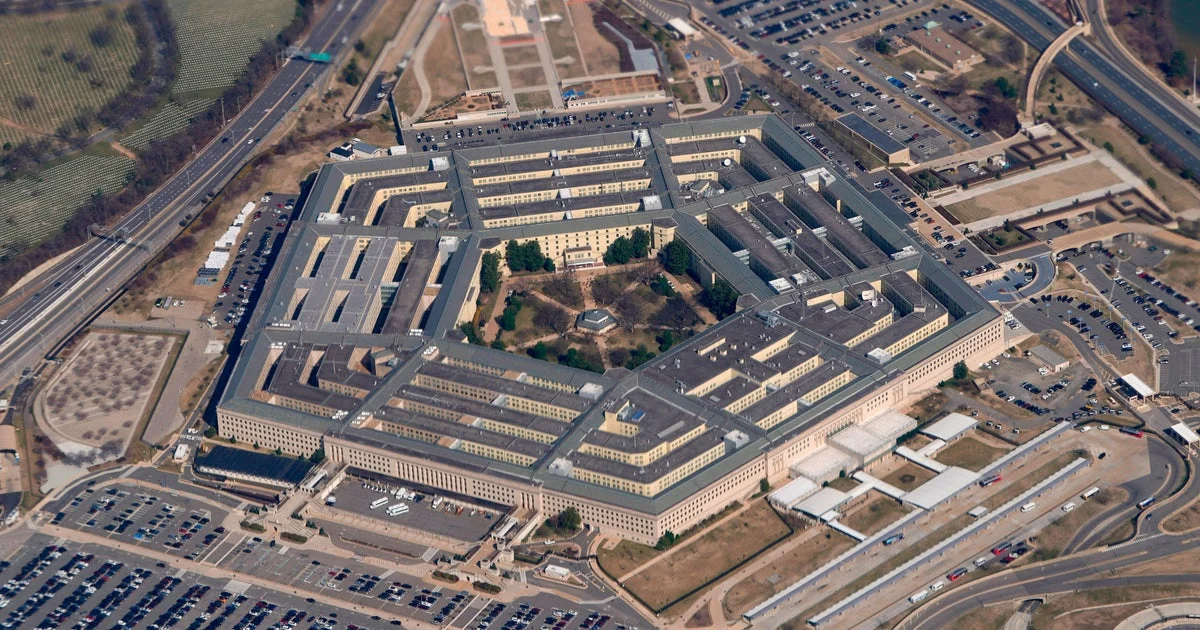
Amid a sweeping investigation into unauthorized disclosures of classified information on U.S. weapons stockpiles, several high-ranking military officials underwent polygraph examinations this summer, according to U.S. government sources. The inquiry into the leaks, which reportedly angered President Trump, involved an unusually large number of senior personnel across key commands.
What Happened
This summer, several dozen senior military officials, including members of U.S. Central Command and other combatant commands, were subjected to polygraph tests as part of an ongoing Pentagon investigation to identify sources of classified information leaks. These leaks concerned sensitive operational details about the pace and volume at which the U.S. military was expending advanced munitions in ongoing conflicts.
The Department of Defense initiated this action following reports in multiple news outlets, including CBS News and The New York Times, revealing classified information about weapons usage and stockpiles. Defense Secretary Pete Hegseth subsequently empowered the Pentagon’s Office of General Counsel to lead a joint task force with the Justice Department to trace and prosecute those responsible for the leaks.
Despite the broad scope of testing, several top officials, such as the chairman of the Joint Chiefs of Staff, Gen. Dan Caine, were not subject to polygraph examinations. No official was reported to have failed the lie detector tests related to leaking classified information.
Chief Pentagon spokesman Sean Parnell declined specific comment on the probe but emphasized the department’s commitment to investigating leaks of classified information to protect national security and the lives of U.S. troops.
Key Facts
The investigation involved several dozen senior U.S. military leaders, including those from Central Command and other combatant commands. The polygraph tests examined a range of national security issues, with no failures reported among those questioned in connection with the leaks. The probe was launched under the authority of Secretary of Defense Pete Hegseth, who established a joint Pentagon-Justice Department task force.
Polygraph tests occur routinely for officials with access to top-secret or special access programs, but the volume and scope of this recent testing were described as extraordinary by sources familiar with the matter. The FBI was reportedly not involved; the military conducted the investigations internally.
The initiative followed news reports revealing classified operational details about munitions expenditures amid ongoing conflicts, including the Iran war. The Justice Department previously subpoenaed reporters connected to other investigations but later withdrew those subpoenas after judicial scrutiny.
What This Means
The Pentagon’s expansive use of polygraph testing signals heightened concern within the military and the administration over the protection of classified information, especially regarding sensitive military operations. Public disclosures of such information could jeopardize tactical advantages and potentially endanger U.S. personnel by revealing operational capabilities and stockpile levels to foreign adversaries.
By actively pursuing leak investigations at senior levels, the Pentagon aims to reinforce internal discipline and deter future breaches that undermine national security. For military leadership and government employees with access to classified programs, this signals an intensified scrutiny environment where safeguards and loyalty are paramount.
For the broader public, the probe underscores the complexities of balancing transparency with security in information dissemination, especially amid ongoing conflicts. It also reflects the internal pressures faced by the Pentagon to control sensitive information leaks that might affect military strategy and diplomacy.
Background
Polygraph examinations have long been part of the vetting and ongoing clearance process for personnel with access to highly sensitive information. These investigations are governed by federal laws and Pentagon regulations, which limit polygraph use to responsible circumstances requiring consent or investigative necessity.
Secretary Hegseth’s reliance on polygraphs is not new; reports from last year indicate he had similarly confronted leak concerns related to classified briefings involving foreign policy topics and senior military officials.
The current probe escalated amid continued reporting on sensitive military operations and the recent establishment of a joint task force integrating the Pentagon and Justice Department resources to handle leak investigations more aggressively.
What Remains Unclear
It remains uncertain whether the leak investigations will lead to criminal prosecutions or administrative actions against individuals. The precise source or sources of the leaks uncovered during the polygraph inquiries have not been publicly identified, and the overall outcome of the ongoing probe is still pending.
What Comes Next
The Pentagon and Justice Department task force continues to investigate leaks of classified information. No specific dates for further phases of the investigation or outcomes have been announced. Officials have emphasized prioritizing swift responses to leak-related requests and collaborating with federal law enforcement to deter future breaches.
Sources
This article is based on reporting and publicly available information from the following sources:
Read more US News stories on Goka World News.