
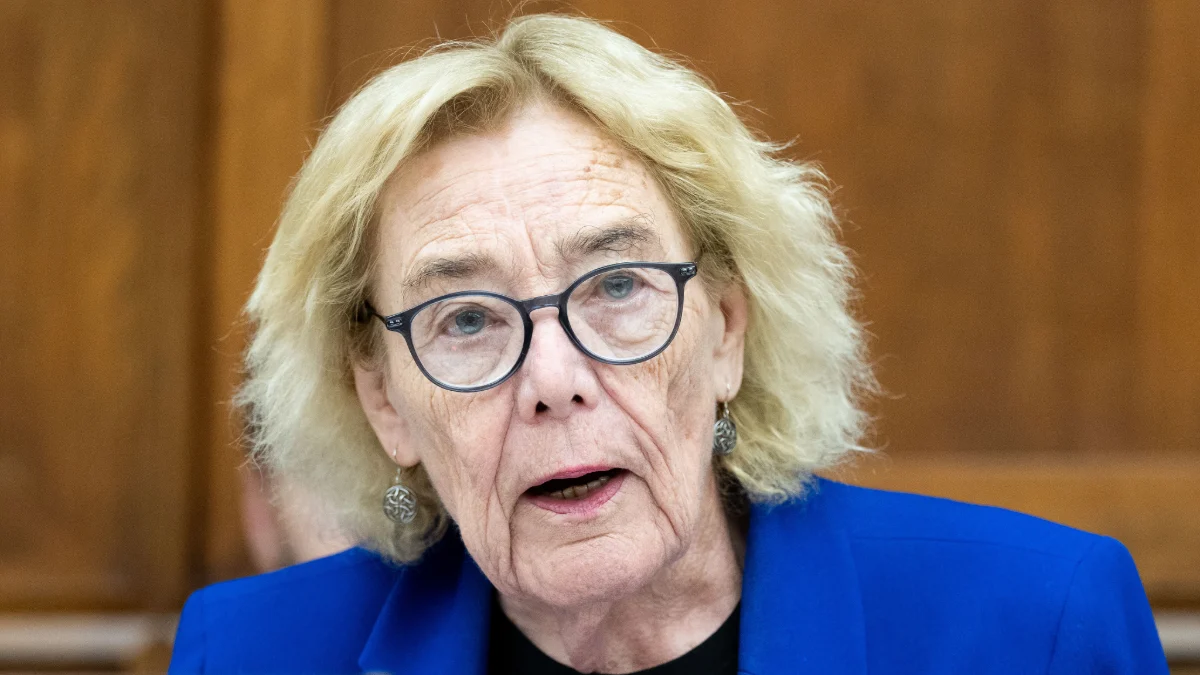
Representative Zoe Lofgren, a California Democrat known for her advocacy on privacy and surveillance, has spoken out about the urgent need to reform Section 702 of the Foreign Intelligence Surveillance Act (FISA). Lofgren stresses closing loopholes that allow warrantless searches of Americans’ communications collected under this authority, emphasizing constitutional protections and bipartisan support for surveillance reform in Congress.
What Happened
In a detailed interview, Rep. Lofgren outlined the surveillance mechanism authorized by FISA Section 702, which permits the U.S. government to collect communications from non-U.S. persons located abroad without individualized warrants for foreign intelligence purposes. She highlighted ongoing congressional debates over the renewal and reform of this authority, particularly focusing on restrictions for querying the collected database to access Americans’ communications. The existing Section 702 authority’s expiration deadline has recently passed, but surveillance continues through extended orders until early next year. Lofgren noted that a bill mandating warrants for queries involving Americans’ data was withdrawn amid political maneuvering, despite previously securing bipartisan support in votes years earlier. The issue remains a prominent and divisive topic on Capitol Hill with reform efforts ongoing.
Key Facts
Section 702, part of the Foreign Intelligence Surveillance Act, allows warrantless collection of overseas non-U.S. persons’ communications for intelligence gathering but captures incidental data of Americans communicating with foreign targets. The collected communications, including emails and phone calls, are stored in a searchable database. Lofgren and others have documented improper “backdoor searches” by agencies like the FBI querying Americans’ data without warrants, including cases involving journalists, protestors, and government officials. A classified FISA Court ruling reportedly confirms discrepancies in how these queries are tracked, but remains unreleased despite congressional requests. The current Section 702 authority lapsed recently but remains operational under renewal orders until early 2027. Bipartisan efforts, including past amendments co-sponsored by Lofgren and Republican Thomas Massie, have pushed for mandating warrants for searches on American data, though no recent vote on a reform measure has passed. The FBI and government maintain fixes have been implemented, but details remain classified.
What This Means
The ongoing debate around FISA Section 702 reflects a fundamental tension between national security imperatives and constitutional privacy protections. Lofgren’s call for requiring warrants prior to querying Americans’ communications underlines a significant effort to bring surveillance practices in line with Fourth Amendment rights. The absence of specific warrant protections currently enables federal agencies to conduct extensive and potentially unchecked searches of Americans’ private communications, raising concerns about abuses and constitutional violations. This issue is critical not only as a legal and civil liberties matter but also because it represents one of the few areas of bipartisan cooperation in a deeply polarized Congress. For the public, reform could mean stronger safeguards against government overreach in surveillance, ensuring that intelligence tools do not circumvent judicial oversight when targeting U.S. persons. At the policy level, failure to enact reforms risks eroding trust in government surveillance programs and could invite judicial or legislative pushback later.
Background
The Foreign Intelligence Surveillance Act (FISA) was enacted to regulate government surveillance for foreign intelligence purposes. Section 702 was added to allow warrantless collection targeting non-U.S. persons overseas, but it has long been controversial due to incidental collection and usage of Americans’ data without warrants. Past congressional efforts, including bipartisan amendments supported by Lofgren and Rep. Massie over a decade ago, attempted to impose warrant requirements on the querying of this data. Investigations and reporting have revealed cases of misuse and improper searches, fueling ongoing reform debates. The FISA Court oversees compliance but has kept key opinions classified, limiting congressional and public knowledge of how the system operates and is audited.
What Remains Unclear
The precise scope of improper querying and the effectiveness of implemented reforms remain murky due to classification and limited transparency from intelligence agencies. The classified FISA court ruling addressing these concerns has not been released, despite bipartisan congressional requests. The future legislative path of Section 702 reform is uncertain, as political negotiations continue without a clear timeline for renewed votes. The Senate’s stance on potential warrant requirements is also unsettled, leaving final outcomes unpredictable.
What Comes Next
Congress is expected to revisit Section 702 authorization and reform proposals in the coming months as current renewal orders approach expiration in early 2027. How lawmakers resolve the tensions between national security and privacy will shape surveillance law for years to come. Advocacy from lawmakers like Lofgren may drive renewed bipartisan efforts to impose stricter warrant requirements on querying Americans’ data collected under FISA.
Sources
This article is based on reporting and publicly available information from the following source:
Read more Politics stories on Goka World News.