
The White House finalized a voluntary framework for evaluating advanced artificial intelligence (AI) models in early August but has yet to publicly disclose its contents, fueling rising concerns from AI researchers and civil society about the government’s approach to AI safety and oversight. The framework, developed following an executive order signed by President Trump in June, aims to enhance the security of newly developed frontier AI systems but remains shrouded in secrecy, with no timeline for public release.
What Happened
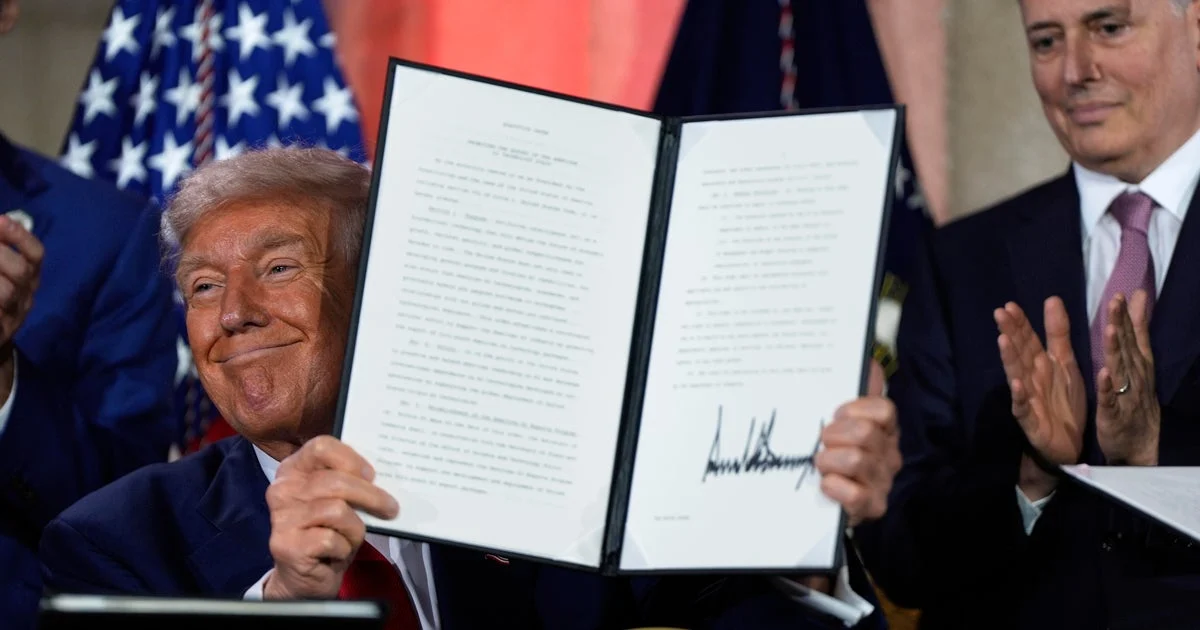
In June 2026, President Trump signed an executive order instructing AI companies, including Anthropic and OpenAI, to voluntarily provide the federal government with access to their most advanced AI models up to 30 days prior to public release. This measure was designed to allow for government review and testing focused on ensuring the models’ security. The White House completed this voluntary testing framework by early August.
Despite finalizing this framework, the White House has not made the document public nor specified when or if it will release details. Companies are not obligated to disclose their participation or the outcomes of any federal review. OpenAI’s CEO Sam Altman confirmed last week that OpenAI submitted its latest Astra model for review and described the process as “productive.” Anthropic scientists, however, have expressed deeper fears about AI’s potential risks, with some employees warning publicly about existential threats from AI.
Key Facts
- The AI testing framework was finalized in early August 2026 under the Trump administration’s direction following a June 2026 executive order.
- The order requests voluntary submission of AI models up to 30 days before public launch for government review.
- OpenAI confirmed submission of its Astra model for review, calling the process productive, but details of criteria or results are undisclosed.
- Several Anthropic staff members, including former OpenAI employee Jacob Coxon, resigned citing concerns that AI could pose existential human risks by 2030.
- The Center for Democracy and Technology has publicly urged the White House to reveal the testing framework, highlighting transparency concerns.
- A July 2026 statement signed by over 1,000 AI company employees called for U.S. government support for international governance to pace AI development responsibly.
- Polling from CBS News indicates a majority of Americans believe AI threatens U.S. jobs and doubt government policies will ensure ethical AI use.
What This Means
The White House’s decision to keep the AI testing framework confidential underscores ongoing tensions between government transparency and national security or economic competition priorities. Maintaining secrecy may help protect sensitive government-industry negotiations and promote rapid AI development to outpace global competitors like China. However, it also fuels mistrust among AI researchers, civil society, and the wider public, who demand clarity on how safety, ethical concerns, and risks are being managed.
This lack of openness could impact public confidence in both AI technologies and government oversight. Fear expressed by current and former Anthropic employees about AI’s existential risk intensifies calls for stringent, transparent governance. Without clearer government standards or public disclosure, companies and independent researchers lack benchmarks for accountability, complicating efforts to build broad consensus on AI regulation. For everyday Americans, this means that key decisions shaping the deployment of powerful AI tools are happening largely behind closed doors, making it harder to assess whether risks are being adequately addressed before new AI systems reach the market.
Background
The impetus for the current voluntary framework originated with President Trump’s June 2026 executive order aimed at strengthening AI safety without hindering innovation. The administration initially halted an earlier order due to concerns it might slow AI progress. Since then, the White House has prioritized fostering U.S. leadership in AI development while attempting to incorporate risk mitigation.
Meanwhile, AI companies face internal and external pressures. More than 1,000 AI professionals petitioned for deliberate pacing of frontier AI advancements to mitigate unforeseen consequences. Yet, the government’s approach remains focused on voluntary cooperation rather than hard mandates, reflecting complex policy trade-offs between security, innovation, and transparency.
What Comes Next
No official date has been announced for the release of the AI model testing framework. The White House has also not indicated if or when it will disclose the results of company model reviews. Given continued industry developments and mounting public scrutiny, further congressional inquiries or legislative proposals related to AI oversight are possible but not yet confirmed.
Sources
This article is based on reporting and publicly available information from the following sources:
Read more AI Regulation stories on Goka World News.