
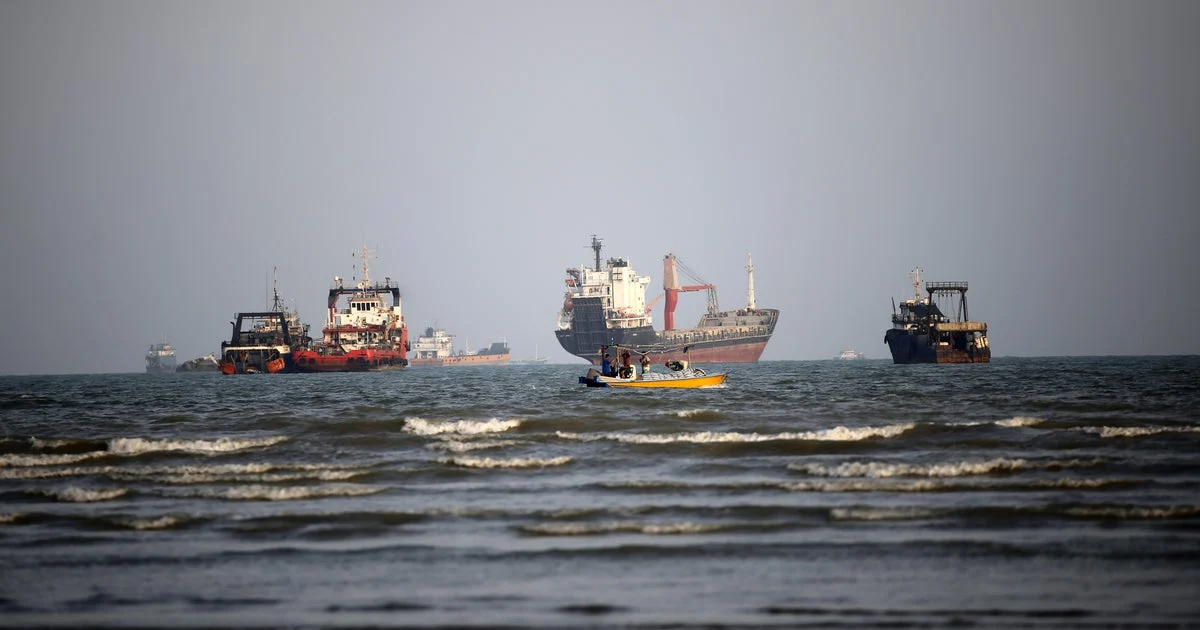
Oil prices surged to their highest levels in nearly four months after Oman announced the postponement of scheduled talks with Iran and other regional countries on the future control of the Strait of Hormuz, a crucial global shipping lane. The delay in discussions, coupled with escalating conflict involving Iran-backed Houthi rebels in Yemen, has heightened concerns over the stability of oil exports from the Middle East.
What Happened
On September 13, 2026, the government of Oman announced it would postpone a planned meeting in Muscat with Iranian officials and representatives from other Gulf nations. The talks were aimed at establishing a cooperative framework for managing commercial shipping through the Strait of Hormuz, a narrow passage through which a significant portion of the world’s oil supply transits. Oman’s Foreign Minister Badr Albusaidi cited the need for consensus as the reason for the postponement.
Iran’s Foreign Ministry confirmed the delay, attributing it to requests from some regional countries, including objections from Saudi Arabia, which has submitted amendments expressing concerns about the agreement’s potential impact on Gulf Cooperation Council members. The meeting had been scheduled for Monday, September 14.
Meanwhile, fighting intensified in Yemen, with Iranian-backed Houthi rebels expanding control over strategic areas along the Red Sea coastline. The rebels recently captured the port city of Mokha and an island near the Bab el-Mandeb Strait, threatening alternative Saudi oil export routes. The escalation has amplified fears over continued disruptions to regional oil shipments.
Key Facts
- Brent crude prices reached approximately $108 per barrel on September 14, marking the highest level since May 2026.
- U.S. benchmark crude oil prices also rose, trading at over $103.26 per barrel, an increase of more than 20% compared to the previous month.
- Iran denied involvement in last week’s attack on Saudi Arabia’s East-West pipeline, with Foreign Ministry Spokesman Esmail Baghaei accusing the U.S. of fabricating false news.
- The Iran-Oman agreement under negotiation is seen by some Gulf countries as potentially altering the control of shipping through the Strait of Hormuz on a permanent basis.
- Yemen’s government forces are battling Houthi rebels supported by Iran, with conflict expanding near critical oil shipping lanes in the Red Sea region.
What This Means
The postponement of vital talks on the Strait of Hormuz signals lingering tensions and mistrust among Gulf states, complicating efforts to secure one of the world’s most important oil transit routes. For global markets, this uncertainty contributes to increased price volatility and the risk of supply disruptions. Consumers in the United States and elsewhere could face higher fuel costs if the regional instability persists, underscoring how geopolitics still significantly influence energy prices.
Moreover, the expanded conflict in Yemen threatens to further constrict alternative oil export routes, such as the Bab el-Mandeb Strait, intensifying pressure on the global oil supply chain. This situation highlights the complex web of regional conflicts that ripple into international economic concerns, shaping U.S. energy security and economic planning.
The delay also demonstrates the diplomatic challenges in achieving consensus in a region marked by rivalries and competing interests. Saudi Arabia’s push for amendments to the Iran-Oman accord points to ongoing skepticism and the potential for prolonged negotiations, meaning that resolution and stabilizing measures might not arrive soon.
What Comes Next
The rescheduled meeting date remains unannounced. Regional foreign ministers and mediators, including Pakistan, have expressed optimism in recent weeks about reaching an agreement, but current delays suggest further diplomatic work is needed. Continued monitoring of the conflict in Yemen and Iran’s foreign relations will be essential for assessing the outlook on oil shipping and pricing.
Sources
This article is based on reporting and publicly available information from the following source:
Read more World News stories on Goka World News.