
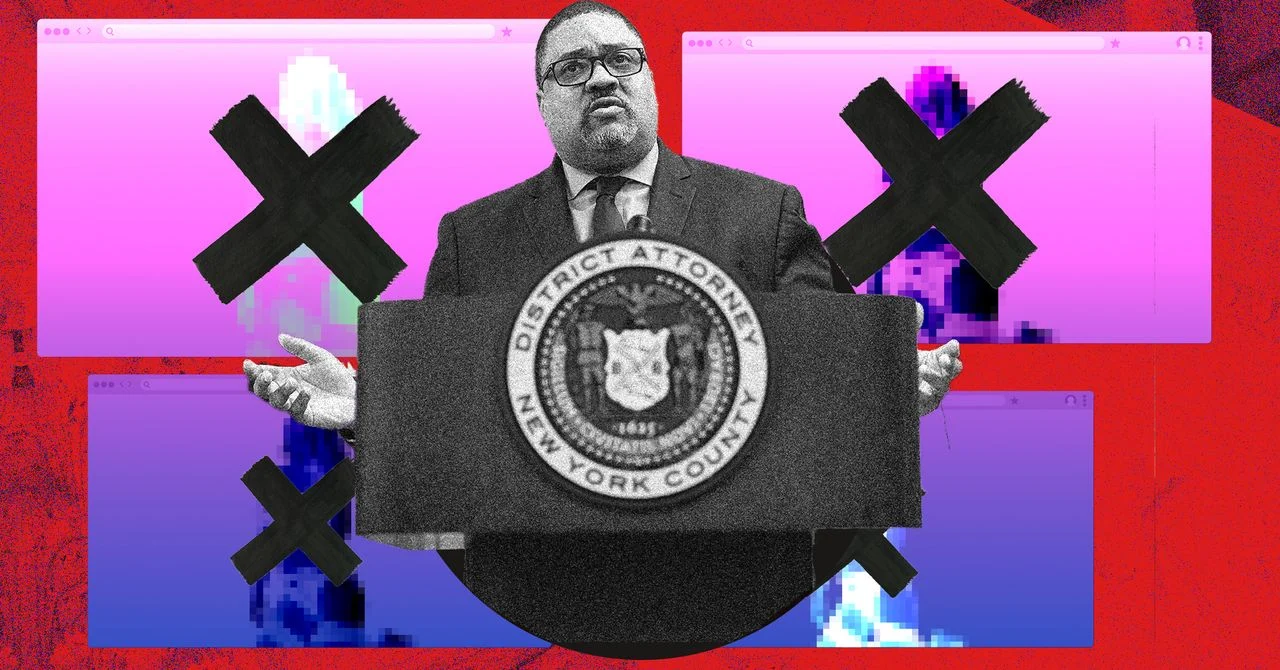
New York’s Manhattan District Attorney’s Office has seized 12 websites that unlawfully published and sold deepfake pornography featuring nonconsensual images and videos of approximately 1,200 victims, predominantly women including celebrities, activists, and politicians, according to an official announcement on September 14, 2026.
What Happened
In what is described as one of the largest-ever legal actions against harmful deepfake sites, the Manhattan DA’s office executed seizure warrants to take control of a dozen domains hosting explicit synthetic media. These websites, active since as early as 2018, contained manipulated videos that placed the faces of various women—many prominent public figures—onto pornographic content without their consent. The seizures followed an ongoing investigation into the operators and uploaders of these videos. The seized domains now display official takedown notices issued by a New York State Supreme Court.
Key Facts
- The sites hosted manipulated sexual videos of about 1,200 individuals, overwhelmingly women.
- The victims include social media influencers, actors, musicians, athletes, activists, and politicians.
- The websites used provocative domain names including terms like “sex celebrity” and “real deepfakes.”
- Videos often showed face swaps of celebrities onto pornographic footage, with some videos viewed tens of thousands of times.
- Two seized websites contained profiles of elected officials, featuring manipulated videos and personal details.
- The takedown was carried out under New York’s criminal procedure laws and supervised by Manhattan District Attorney Alvin Bragg.
- Investigations continue into those responsible for running the sites and uploading content.
What This Means
This enforcement action represents a crucial step in combating the pervasive abuse enabled by synthetic media technologies, particularly focusing on nonconsensual intimate imagery (NCII). The seizure of these websites interrupts access to millions of harmful videos and sends a clear message that distributing such content can lead to serious legal consequences. For victims—many of whom suffer severe emotional and psychological distress—the takedowns may offer some relief, though the broader challenge of deepfake abuse remains significant.
Moreover, this case illustrates how state-level legal tools can be effectively used to target the infrastructure behind these illicit deepfake operations. While AI-driven synthetic media technologies advance rapidly, the enforcement against sites hosting nonconsensual deepfakes shows progress in legal accountability and digital rights protection. Nevertheless, experts highlight that to fully address the problem, coordinated actions must also focus on creation tools, content promotion, hosting, and monetization systems that enable this underground ecosystem.
Background
Deepfake technology, which first became widely known in late 2017, has evolved into a potent tool for generating highly realistic but fabricated pornographic images and videos, often used without consent. Previous platforms notorious for hosting such content, like MrDeepFakes, were shut down after investigative journalism exposed their creators. These synthetic intimate images frequently target both non-famous individuals and high-profile persons, causing widespread concern over privacy violations.
Analysis
Leonie Oehmig, a researcher at the Institute for Strategic Dialogue who studies the deepfake ecosystem, described the takedowns as a notable victory in the fight against synthetic NCII and emphasized that coordinated law enforcement efforts can be effective even amid fragmented regulatory environments. Benjamin Shultz, lead researcher at the American Sunlight Project, noted that the seized websites often reposted previously shared deepfake videos, including profiles of political figures, thereby amplifying their harmful reach.
What Remains Unclear
The full scope of the victim list and the identities of the website operators remain confidential as investigations are ongoing. It is also unclear what proportion of the total nonconsensual deepfake websites worldwide have been impacted by this action or what percentage of affected victims have been formally notified.
What Comes Next
The Manhattan District Attorney’s office has invited victims to come forward to aid ongoing investigations and threatened further legal action against individuals responsible for creating or distributing harmful synthetic content. Additional enforcement efforts targeting the broader deepfake ecosystem are expected as digital forensic and legal tools evolve.
Sources
This article is based on reporting and publicly available information from the following sources:
Read more Digital Policy stories on Goka World News.