
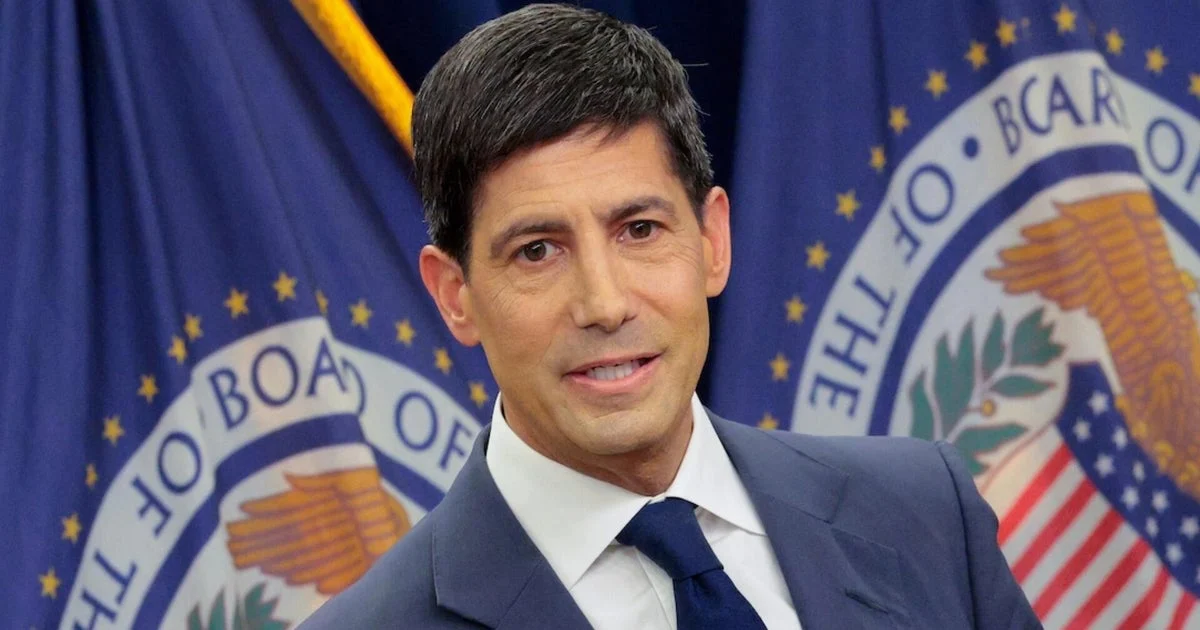
The Federal Reserve raised its benchmark interest rate by 0.25 percentage points on September 16, marking the first rate increase since 2023. The adjustment sets the target range at 3.75% to 4%, the highest level since December 2025. This move reflects the central bank’s response to rising inflation pressures driven in part by the ongoing conflict in Iran that has disrupted energy markets globally.
What Happened
On Wednesday, the Federal Open Market Committee (FOMC) voted unanimously to raise the federal funds rate by a quarter percentage point. This decision reverses earlier expectations from the start of 2026 when analysts anticipated rate cuts as inflation appeared to be cooling. Instead, the Fed is now signaling additional rate hikes within the year amid persistent inflation concerns. Despite this, Federal Reserve Chair Kevin Warsh indicated that rates are expected to remain steady through 2027, suggesting a pause in further tightening.
Key Facts
The federal funds target range was increased to 3.75%–4.0%, its highest since late 2025. The Consumer Price Index (CPI) rose at an annual rate of 3.4% in August, surpassing the Fed’s 2% inflation target. This marks a shift from the previous year’s trend of declining inflation. The rate hike is the first since 2023 and follows a historic sequence of 11 increases starting in 2022 designed to combat surge in inflation during the post-pandemic economic recovery.
Following the announcement, U.S. stock markets reacted negatively: the Dow Jones Industrial Average dropped 631 points (1.2%), and the S&P 500 declined by nearly 0.4%, while the Nasdaq remained largely flat.
The Fed has communicated that borrowing costs for consumers, including credit cards, auto loans, and mortgages, will likely increase as banks adjust lending rates in response to the hike. This comes as households are already facing rising prices for essentials like food and fuel.
What This Means
The Fed’s decision signals a cautious approach to managing inflation without triggering an aggressive tightening cycle. By raising rates now, the central bank aims to prevent inflation from becoming entrenched, especially given outside pressures like elevated global energy prices due to geopolitical tensions. For consumers, this means borrowing costs on loans and credit will rise, potentially dampening spending and slowing economic growth.
Although the rate increase is modest, it compounds financial stress for American families who face rising daily living expenses, contributing to a noticeable decline in consumer sentiment, which is currently 13% below last year’s level. For businesses, higher financing costs may lead to reduced investment or expansion plans, with wide-ranging impacts on employment and economic momentum.
The unanimous vote and Fed officials’ projections pointing to only one more hike in 2026 underscore the bank’s effort to balance inflation control with economic stability. The Fed’s restraint for 2027 suggests it is monitoring inflation and economic data closely before making further moves.
Background
The Federal Reserve embarked on an unprecedented series of 11 interest rate hikes starting in 2022 to aggressively combat inflation driven by pandemic-related disruptions and strong consumer demand. Inflation had been gradually easing in early 2026, encouraging expectations of falling rates. However, the recent escalation of conflict in the Middle East has disrupted oil supplies, pushing energy prices higher and reversing inflation’s downtrend.
President Donald Trump publicly criticized the rate hikes on social media, calling for lower interest rates to maintain the U.S. credit advantage, but Fed Chair Warsh emphasized that price stability is the Fed’s predominant mandate.
What Comes Next
The Federal Reserve’s updated economic projections suggest one more rate increase may occur before the end of 2026. After that, policymakers expect to hold rates steady through 2027, reflecting a “wait and see” stance driven by how inflation and geopolitical factors evolve. Investors and consumers alike will be watching upcoming economic data releases and geopolitical developments closely to gauge the Fed’s future policy path.
Sources
This article is based on reporting and publicly available information from the following sources:
Read more Business stories on Goka World News.