
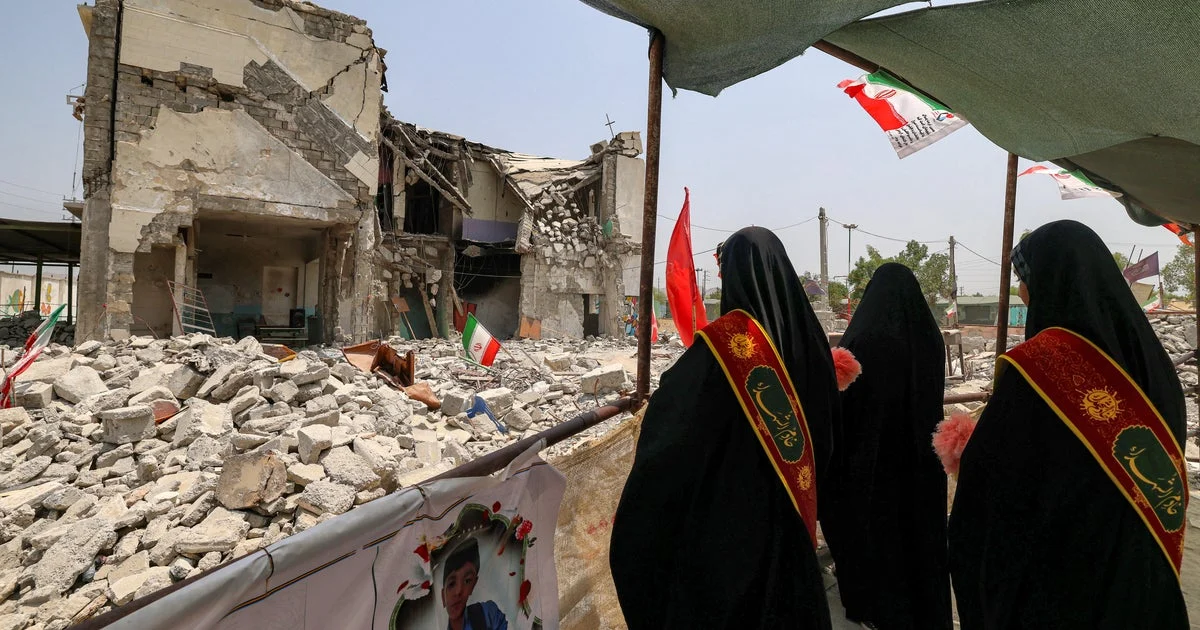
A United Nations panel of human rights experts has concluded there are reasonable grounds to believe that the United States committed war crimes in two separate strikes inside Iran, which resulted in the deaths of at least 178 civilians. This finding adds a critical dimension to the protracted conflict involving Iran and the U.S., stirring global attention and deepening concerns over the war’s humanitarian impact.
What Happened
On September 17, 2026, a U.N.-commissioned panel released findings indicating that two U.S. airstrikes within Iran may have violated international humanitarian law. These strikes, part of the ongoing conflict that erupted six and a half months prior, were reported to have caused substantial civilian casualties. The panel’s report emphasizes the gravity of the incidents, urging further scrutiny into the legality of U.S. military actions in Iranian territory amid escalating tensions in the region.
Key Facts
The panel identified at least 178 civilian deaths resulting from the two U.S. strikes in Iran. This data was presented on September 17, 2026, reflecting detailed investigations conducted by the U.N. human rights experts. The strikes took place on the first day of coordinated U.S.-Israeli air campaigns, which corresponded with the death of Iran’s Supreme Leader Ayatollah Ali Khamenei and severe injury to his successor Mojtaba Khamenei. These military actions have significantly altered the regional power dynamic.
What This Means
The U.N. panel’s assertion of possible war crimes by the United States underscores the escalating humanitarian crisis at the heart of the Iran conflict. These findings increase international pressure on Washington to justify its military conduct and pose urgent questions about civilian protection during armed conflict. For global oil markets and maritime security, this development intensifies uncertainty, as key strategic waterways like the Strait of Hormuz remain closed under Iranian threats, and the world watches for risks to energy supplies and shipping lanes.
Moreover, the report fuels diplomatic tensions involving multiple governments, including those neighboring Iran, as well as global powers considering mediation or intervention. Civilians in Iran and in the broader Middle East face heightened risks amid ongoing strikes and retaliations, making humanitarian relief efforts and conflict resolution even more critical.
Background
The strikes occurred amid a sharp escalation following joint U.S.-Israeli air operations that began on February 28, 2026, coinciding with the death of Supreme Leader Ali Khamenei. Mojtaba Khamenei, his successor son, was reportedly gravely wounded. The conflict has since persisted, involving regional proxies and complicating the political landscape. Iran has responded with threats to keep the Strait of Hormuz closed until the removal of President Trump and Israeli Prime Minister Benjamin Netanyahu from power, signaling a continued deadlock in attempts to de-escalate.
What Remains Unclear
The exact circumstances leading to the civilian casualties and the legality of targeting decisions remain under investigation. The report does not specify the precise locations or detailed military justifications for the strikes. Further clarity is awaited on whether formal war crimes charges will be pursued and how involved parties will respond to the U.N. panel’s findings.
What Comes Next
The release of the U.N. panel’s report puts international attention on forthcoming diplomatic engagements, including scheduled meetings between U.S. President Trump and Chinese President Xi Jinping, where Middle East tensions and conflict mediation are anticipated topics. Meanwhile, regional governments and organizations are expected to assess the humanitarian situation and consider follow-up actions regarding war crimes accountability and conflict resolution.
Sources
This article is based on reporting and publicly available information from the following sources:
Read more World News stories on Goka World News.