
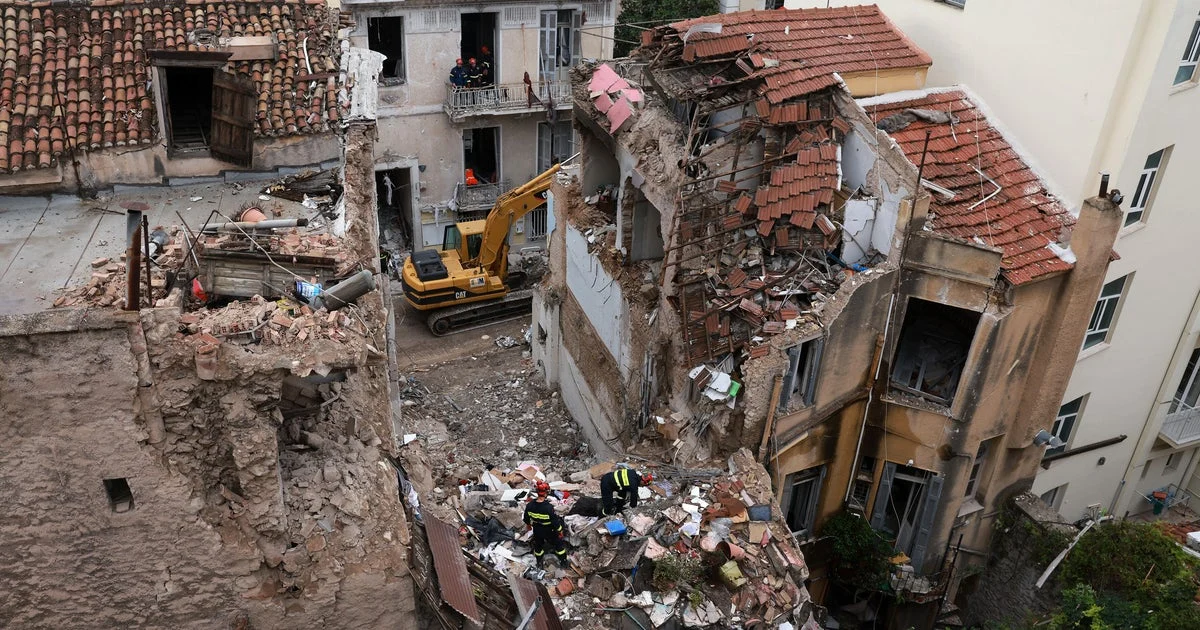
Four American tourists were among six people killed when a gas leak triggered an explosion that destroyed a residential building early Friday morning in Athens’ historic Plaka district, a popular area near the Acropolis. The blast also injured others and raised safety concerns about aging infrastructure in one of Greece’s busiest tourist neighborhoods.
What Happened
The explosion occurred at dawn on September 26, 2026, in a three-story building on Lysikratous Street in Plaka, Athens. Greek officials, including Athens Mayor Haris Doukas, stated the likely cause was a gas leak. The residential building collapsed completely, causing extensive damage to the structure itself and to vehicles and properties along the street.
The four Americans were a family renting an apartment on the building’s first floor; reports identify them as a couple, their son, and his girlfriend preparing to depart for the U.S. hours later. Additionally, the two other fatalities were an elderly British man and his Greek wife who lived on the second floor. Two women were injured in an adjacent building, according to the Athens fire brigades.
Rescue and recovery efforts continued into Saturday, with debris removal and building inspections under way to assess the stability of nearby structures. Mayor Doukas described the event as an “incredible disaster” and noted that two adjacent buildings were at risk of demolition pending safety evaluations.
Key Facts
Six people died in total: four Americans and a British-Greek elderly couple. Two other tourists sustained injuries in a neighboring building. The explosion took place in the Plaka neighborhood, a key tourist area adjacent to the Acropolis, one of Greece’s most famous landmarks, which drew 4.6 million visitors last year. Authorities confirmed a gas leak as the probable cause of the blast. Residents had previously warned local authorities and utility companies about potential gas leaks and electrical safety risks in the area within the last year.
What This Means
The deadly explosion in Athens highlights vulnerabilities in infrastructure safety in heavily touristic and densely populated neighborhoods. The loss of four American lives draws international attention to the safety standards in European heritage and urban areas. This tragedy underlines the urgency of addressing ageing gas and utility networks, especially in locations frequented by millions of visitors annually, where an incident not only causes local harm but also international diplomatic and humanitarian repercussions.
For Greece, a country reliant on tourism, the event may prompt closer scrutiny of emergency preparedness and building safety regulations to prevent similar disasters. For travelers worldwide, it serves as a stark reminder of the risks present even in seemingly secure historic districts. It also signals a need for governments and city planners to ensure timely responses to neighborhood safety warnings and to intensify monitoring protocols to protect both residents and tourists.
Background
The Plaka neighborhood in Athens is renowned for its proximity to the Acropolis and its vibrant tourist activity. Last year, residents expressed concerns about possible gas leaks and electrical hazards in the area, requesting fire drills and enhanced emergency response plans from city officials and utility providers. A citizens’ group also reported having recently notified authorities about the smell of gas on the street where the explosion occurred, although no immediate remedial action was confirmed before the incident.
What Remains Unclear
Authorities have not yet released the identities or hometowns of the American victims. The precise details of the gas leak’s origin and whether any regulatory negligence contributed to the disaster remain under investigation. The final status of the two nearby damaged buildings and decisions regarding demolition or repairs have not been concluded.
What Comes Next
Inspections of affected buildings and surrounding properties will continue to determine structural stability. Emergency services and city officials are advancing debris removal and safety measures in Plaka. No announcements about changes to tourism operations or restrictions in the area have been made, but local churches and businesses are already adapting to the aftermath, such as holding services outdoors due to damage.
Sources
This article is based on reporting and publicly available information from the following sources:
Read more World News stories on Goka World News.