
President Donald Trump announced a 10-day ceasefire agreement between Israel and Lebanon, set to begin at 5 p.m. Eastern Time on Thursday, following talks with Lebanese President Joseph Aoun and Israeli Prime Minister Benjamin Netanyahu. Trump described the discussions as “excellent” and said both leaders agreed to the ceasefire to pursue lasting peace between their countries.
In social media posts on Truth Social, Trump stated he had directed Vice President JD Vance, Secretary of State Marco Rubio, and Joint Chiefs of Staff Chairman Gen. Dan Caine to assist in facilitating peace between Israel and Lebanon. He also mentioned plans to invite Netanyahu and Aoun to the White House for further talks.
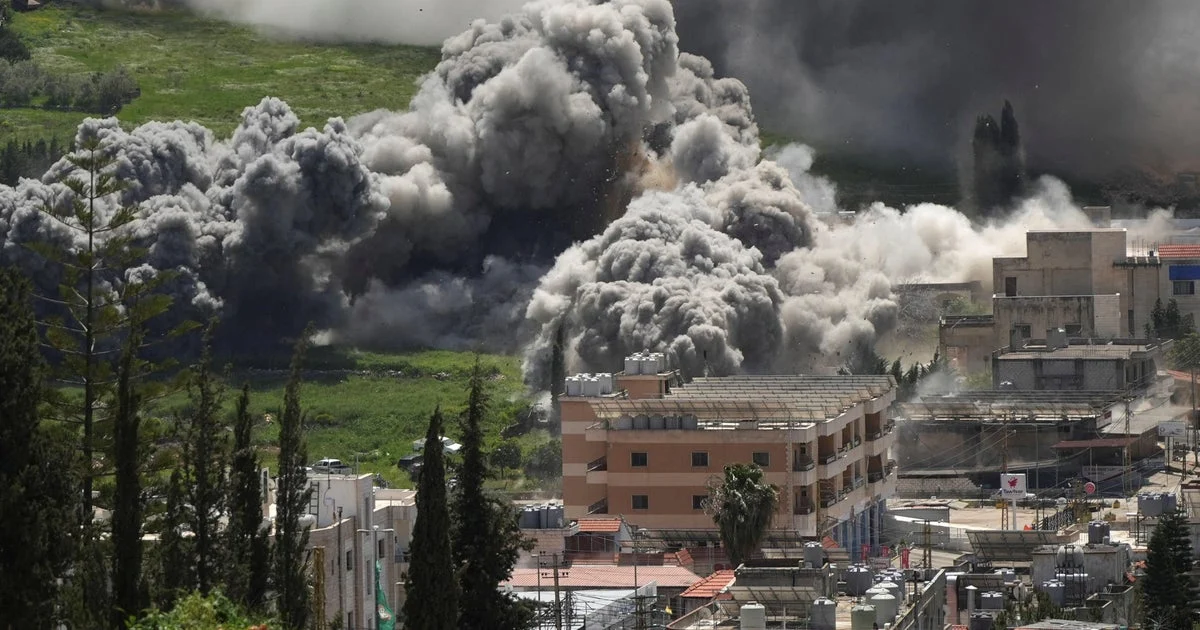
The ceasefire aims to halt Israel’s ongoing military operations against Hezbollah in Lebanon, which have lasted more than six weeks. These operations have resulted in over 2,000 deaths and displaced more than one million people in southern Lebanon, according to the Lebanese Health Ministry and government figures. Hezbollah, backed by Iran, is central to the conflict, which has drawn the wider region into tension.
Lebanese President Aoun expressed gratitude for Trump’s role in advancing the ceasefire and peace process, emphasizing hopes for regional stability. However, reports from Lebanon suggested uncertainty about a direct call between Aoun and Netanyahu, which Trump had initially forecasted, marking the first contact between the two leaders in 34 years.
Meanwhile, the Strait of Hormuz remains blocked to most commercial shipping due to Iran’s threats amid the conflict. The United States enforces a naval blockade of Iranian ports to pressure Iran back to negotiations, but the closure has caused a global gridlock impacting oil and gas prices. The International Energy Agency’s head warned of a worsening global energy crisis, projecting potential flight cancellations in Europe due to jet fuel shortages if the strait remains closed.
China, heavily reliant on Iranian oil transported through the strait, has urged both Iran and other parties to restore normal navigation while respecting Iran’s sovereignty. China’s Foreign Minister underscored the importance of calm and restraint during talks with Iranian officials, highlighting the international community’s unanimous call for reopening the vital route.
In Washington, lawmakers narrowly defeated a House resolution aimed at restricting President Trump’s authority to expand military action against Iran. The vote fell short 214-213, reflecting a deeply divided Congress as diplomatic efforts and military tensions continue.
Why it matters
The announced ceasefire between Israel and Lebanon represents a critical step toward reducing hostilities in a conflict highly influenced by Iran’s regional proxy, Hezbollah. Its success or failure will significantly affect regional stability and ongoing diplomatic negotiations involving the United States and Iran. Simultaneously, the blockade of the Strait of Hormuz threatens global energy supplies, emphasizing the economic and geopolitical stakes tied to the conflict’s resolution.
Background
The war, now entering its third month, began with Israel’s military campaign targeting Hezbollah forces in Lebanon. Iran’s involvement, including naval threats to disrupt shipping through the Strait of Hormuz, has drawn in international actors attempting to broker peace. Pakistan and other countries have engaged as mediators, seeking to restart U.S.-Iran talks that President Trump believes could soon produce “amazing” results. The situation remains fluid, with diplomatic and military actions continuing amid global economic repercussions.
Read more Politics stories on Goka World News.