
On Tuesday, voters in Nebraska and West Virginia participated in primary elections that will determine the candidates for several pivotal congressional and Senate races in the 2026 midterm elections.
Nebraska’s 2nd Congressional District Democratic Primary
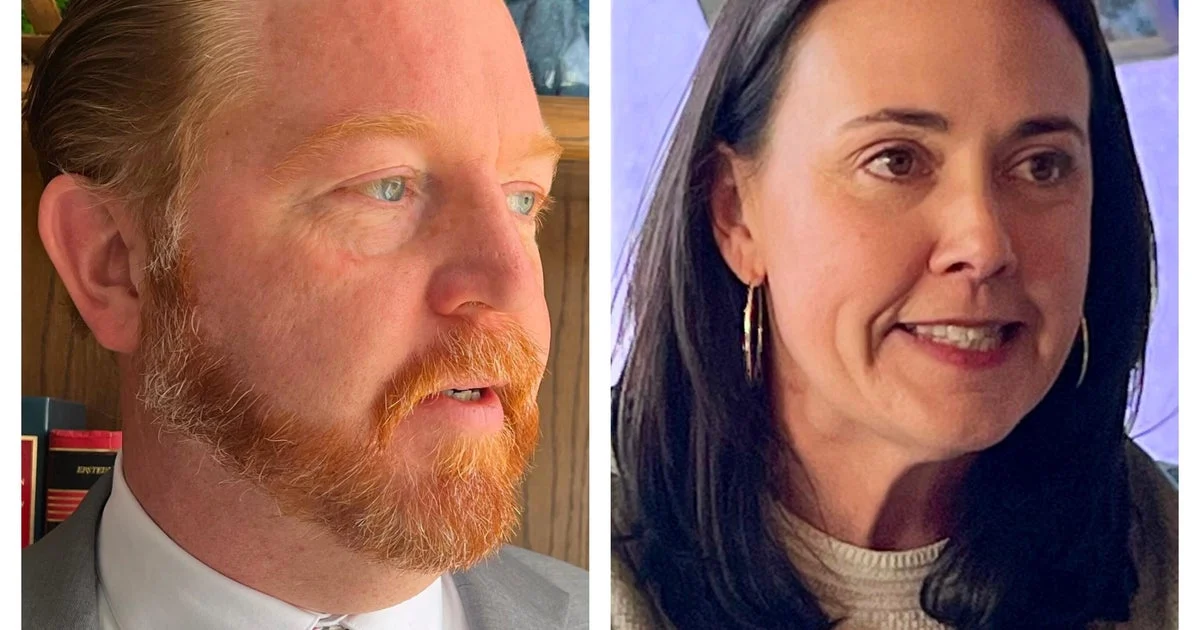
In Nebraska’s 2nd Congressional District, Democrats are contesting an open seat following Republican Rep. Don Bacon’s announced retirement in January. The district, which includes Omaha, has shown mixed political leanings, voting Democratic in three of the last five presidential elections. The top Democratic contenders include Nebraska state Sen. John Cavanaugh and political organizer Denise Powell, both seeking to secure the nomination to challenge Republican Brinker Harding, who ran unopposed in the GOP primary.
One central issue in this Democratic primary debate involves the possibility of shifting Nebraska’s electoral college vote allocation from its current congressional-district-based system to a winner-take-all model. Powell has raised concerns that if Cavanaugh wins and vacates his state senate seat, Governor Jim Pillen, a Republican, could appoint a replacement. This could potentially rush legislative changes to alter the electoral vote system, which currently allows Democrats a chance to win at least one electoral vote through the 2nd District.
Nebraska Senate Race Primaries
Republican Sen. Pete Ricketts, who was appointed in 2023 and won a 2024 special election to complete the late Sen. Ben Sasse’s term, secured his party’s nomination for a full term by defeating four primary challengers. Ricketts has received endorsements from former President Donald Trump and the Nebraska Farm Bureau.
On the Democratic side, Cindy Burbank won her party’s primary, although the Nebraska Democratic Party has endorsed Dan Osborn, who is running as an independent in the general election. Osborn previously ran competitively against Republican Sen. Deb Fischer in 2024, coming within seven points in a state Trump won by over 20 points. Burbank encountered legal challenges to her candidacy for reportedly supporting Osborn, but the Nebraska Supreme Court reinstated her on the ballot.
The primary also included pastor William Forbes, whom some Democrats accuse of running to siphon votes from Osborn. Forbes maintains he is a lifelong Democrat running in good faith, despite his conservative positions.
West Virginia Senate and Other Primaries
In West Virginia, incumbent Republican Sen. Shelley Moore Capito defeated five challengers in her primary, having secured Trump’s endorsement. On the Democratic side, Rachel Anderson emerged as the nominee from a field of five candidates. These results set the stage for a general election contest that will influence the party balance in West Virginia’s Senate delegation.
Other Key Nebraska Races
In Nebraska’s gubernatorial race, Republican Gov. Jim Pillen defeated five primary challengers. On the Democratic side, former state Sen. Lynne Walz won her party’s nomination.
Why it matters
The Nebraska 2nd Congressional District race is particularly significant due to its potential impact on the Electoral College vote allocation, a rare system allowing some states to split electoral votes by district rather than adopt a statewide winner-take-all method. This primary’s outcome could influence future presidential election strategies and voting power distribution.
Additionally, Nebraska’s Senate race highlights the competitive challenge Democrats face in a traditionally Republican stronghold, with the party backing an independent candidate rather than its own nominee. West Virginia’s Senate primary also bears monitoring, as Capito’s renomination maintains Republican control in a state trending conservative.
Sources
This article is based on reporting and publicly available information from the following source:
Read more Politics stories on Goka World News.