
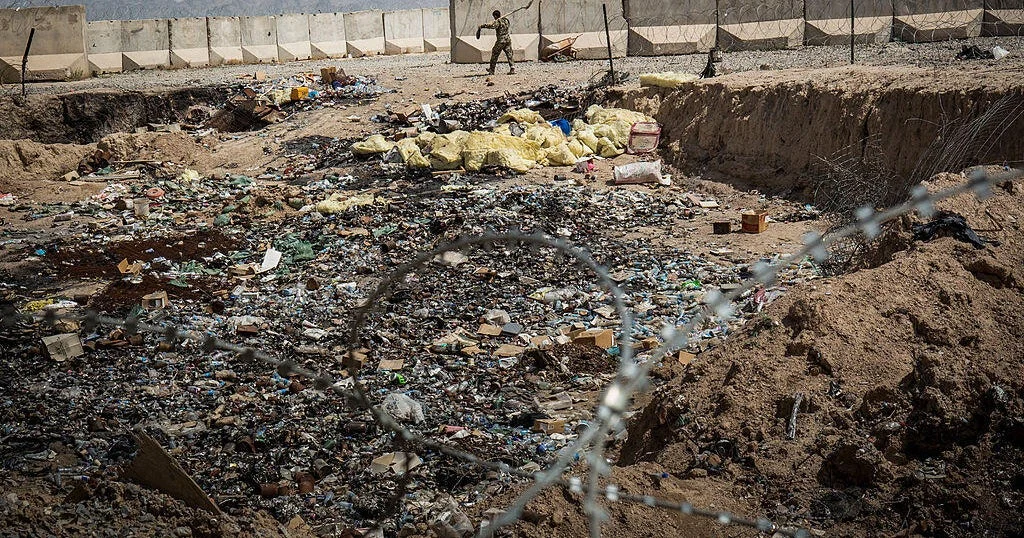
A bipartisan group of U.S. lawmakers introduced the Kenya Merritt Renewing Our Promise to Address Toxicity Act to expand workers’ compensation access for federal civilians exposed to toxic burn pits during overseas missions. The legislation was unveiled on Capitol Hill on May 14, 2026, amid Police Week observances.
The bill, named after FBI Special Agent Kenya Merritt who died from lung cancer linked to burn pit exposure in Iraq, aims to place civilian employees on equal legal footing with military service members by creating a presumption that certain illnesses are work-related for eligible federal employees exposed to toxic burn pits.
Currently, a 2022 law facilitates compensation claims for military personnel exposed to burn pits, but exempted civilians—such as law enforcement agents and other federal workers deployed in conflict zones like Iraq and Afghanistan. These civilians must directly prove that their illnesses are connected to toxic exposure when filing claims with the U.S. Department of Labor, and to date, every civilian burn pit claim has reportedly been denied.
The proposed legislation would align civilian protections with the Department of Veterans Affairs’ framework for service members, streamlining the benefits process for illnesses like cancer associated with burn pit toxins. Representatives Nellie Pou (D-NJ), Brian Fitzpatrick (R-PA), Celeste Maloy (R-UT), and Senator Kirsten Gillibrand (D-NY) are sponsoring the bill.
“Every single civilian federal burn pit-related claim has been denied,” Rep. Pou said, calling the situation “an outrage.”
The FBI Agents Association, representing thousands of agents who have served overseas and faced burn pit exposure over the past two decades, supports the bill. Natalie Bara, the association’s president, emphasized the need for legislative action to address the long-standing issue affecting federal civilians.
Why it matters
This legislation addresses a gap in federal workers’ compensation that has left civilians who supported military operations abroad without benefits for illnesses linked to burn pit exposure. By establishing a legally presumption of work-related illness, the bill could reduce administrative barriers and provide critical support to affected federal employees, aligning their protections with those granted to veterans. If passed, it would be a significant step toward recognizing and compensating the health impacts borne by civilian personnel in war zones.
Background
Toxic burn pits—used for waste disposal during military operations—have been associated with respiratory problems, cancers, and other health issues among U.S. service members and civilians deployed in Iraq, Afghanistan, and other conflict areas. The 2022 PACT Act simplified service members’ claims by presumptively linking certain illnesses to toxic exposure but excluded federal civilians, who often worked alongside the military. This new bill attempts to close that legislative gap.
Sources
This article is based on reporting and publicly available information from the following source:
Read more Politics stories on Goka World News.