
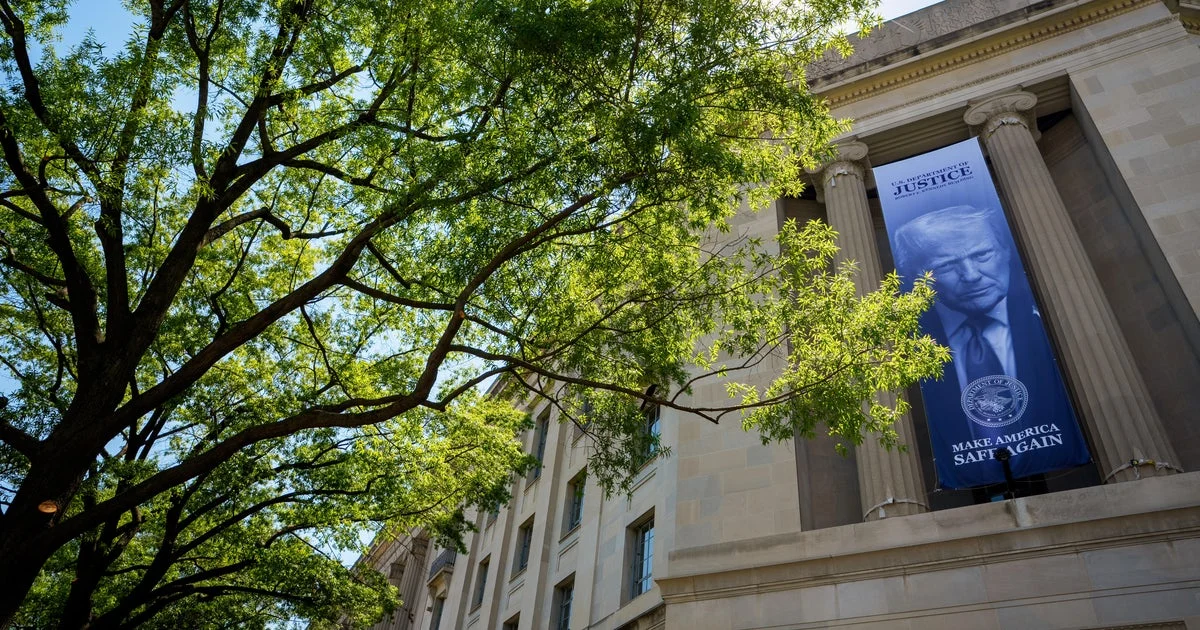
President Donald Trump and the Department of Justice (DOJ) have agreed to create a $1.7 billion “Anti-Weaponization Fund” as part of a settlement over the unauthorized leak of Trump’s tax returns. The fund is intended to compensate individuals who claim to have been wrongfully targeted through political “weaponization” or “lawfare,” according to the acting attorney general.
The settlement was announced on May 18, 2026, by Acting Attorney General Todd Blanche, who also signed the memorandum authorizing the fund. Blanche, a former Trump defense attorney, stated the fund would “provide a systematic process to hear and redress claims of others who suffered weaponization and lawfare.” The Treasury Department will transfer approximately $1.776 billion to a dedicated account within 60 days for the fund’s use.
Fund Administration and Eligibility
The fund will be overseen by a five-member commission appointed by the attorney general, with one member selected in consultation with congressional leaders. This commission will have the authority to issue monetary relief and formal apologies to claimants. The fund is set to stop accepting claims on December 15, 2028, and any unused money will revert to the federal government. The DOJ has stated there is no partisan restriction on who may file claims.
Details about eligibility remain vague. Observers expect that some of Trump’s supporters, including individuals pardoned for crimes related to the January 6 Capitol insurrection and former Trump administration officials, could seek financial relief. Recent notable settlements include a $1.1 million payout to Mark Houck, an anti-abortion activist acquitted of federal charges, and at least $1.25 million to Michael Flynn for multiple claims the DOJ resolved.
Concerns Over Oversight and Ethical Implications
Ethics experts and government watchdogs have raised significant concerns about the fund’s transparency and oversight. Columbia University law professor Richard Briffault described the original lawsuit as “collusive” and criticized the lack of clear criteria for awarding funds or the standard claimants must meet. According to Briffault, the process appears to allow awards to be made without judicial or jury verification of wrongdoing.
Liz Oyer, a former DOJ pardon attorney, called the fund “the greatest abuse of the legal system in history,” alleging it allows a small commission to distribute taxpayer money at their discretion without public input or accountability. Nonprofit group Citizens for Responsibility and Ethics in Washington (CREW) condemned the fund as “the most brazen act of self-dealing in the history of the presidency,” highlighting potential constitutional issues and the plan to potentially compensate violent January 6 insurgents.
Why it matters
This unprecedented fund introduces a new mechanism within the Justice Department to compensate individuals claiming wrongful government action without clear legal standards or oversight. At a time when many Americans face economic challenges, its creation and use of nearly $1.8 billion in taxpayer money have sparked debate about fairness, accountability, and the politicization of justice.
The fund’s operation, slated to end shortly before the next presidential inauguration, may set a controversial precedent for how future administrations address claims of governmental misconduct or political targeting.
Sources
This article is based on reporting and publicly available information from the following source:
Read more Politics stories on Goka World News.