
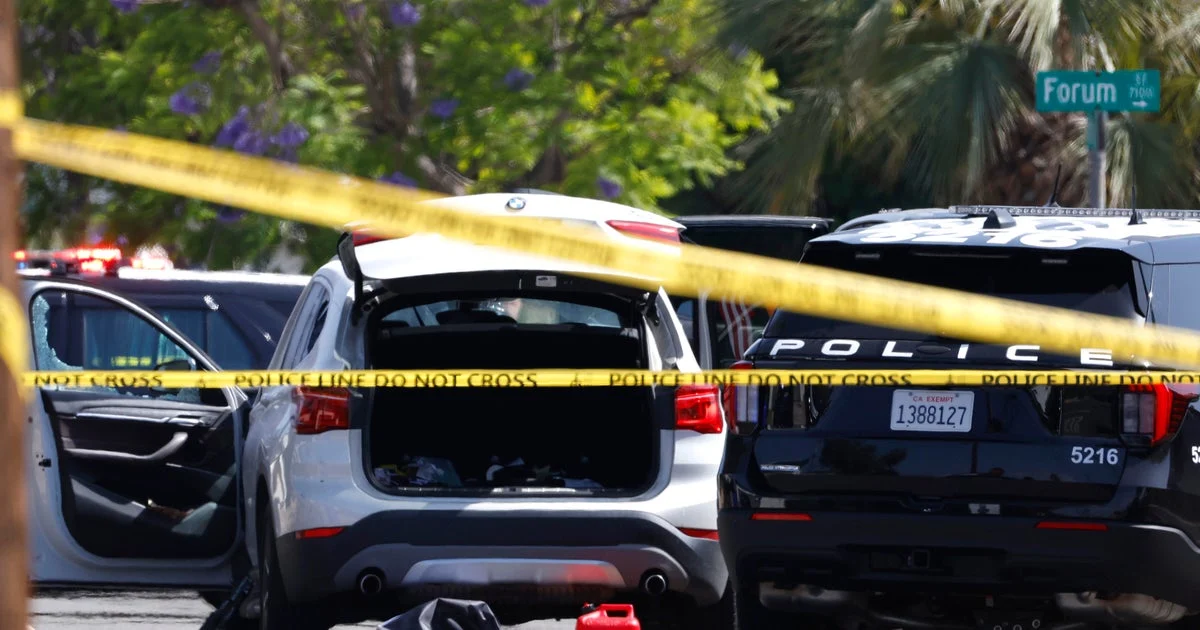
Two teenagers who carried out a mass shooting at the Islamic Center of San Diego on Monday were radicalized online and motivated by a broad hatred that targeted multiple groups, according to investigators from the FBI.
The shooters, 17-year-old Cain Clark and 18-year-old Caleb Vazquez, met through the internet and discovered they both lived in San Diego before meeting in person. The FBI described their shared worldview as fueled by extremist hate without specific discrimination toward any one group.
During a press conference, Mark Remily, the FBI special agent in charge of the San Diego field office, stated the attackers “did not discriminate in who they hated.” Authorities have uncovered a 75-page document they refer to as a “manifesto,” which reportedly glorifies previous mass shooters and contains anti-Islamic, antisemitic, racist, and misogynistic rhetoric. The document’s origins remain unverified but appear to be compiled from extremist writings commonly circulated on the darker parts of the internet.
The attackers targeted the Islamic Center early Monday. After a warning call from one shooter’s mother about his suicidal behavior and possession of weapons—including firearms reportedly taken from a parent—the FBI issued a threat alert. No specific target was identified at the time.
About two hours after the warning, Clark and Vazquez killed the center’s security guard, Amin Abdullah, who is credited with triggering a lockdown that protected over 100 children attending a school inside the facility. The shooters moved through the building and then killed two additional men outside before fleeing in a vehicle. The rampage ended a few blocks away when Clark fatally shot Vazquez and then himself. The entire attack was recorded on video and later posted on a gore website known for sharing violent content.
The video footage showed the shooters equipped with neo-Nazi insignias on their weapons and gear. Investigators found evidence that the teens were influenced by a range of previous mass shooters, including the extremist responsible for the 2019 Christchurch mosque shooting in New Zealand, which was livestreamed. The recorded video initially appeared to be filmed on Discord, a social platform popular among gamers, and posted by an anonymous user who later deleted all content.
Why it matters
This shooting highlights ongoing challenges posed by online radicalization and the spread of violent extremist ideologies via social media and obscure internet platforms. The case underscores the risks associated with access to firearms by minors and the difficulties in predicting targeted violence despite early warning signs.
Background
The San Diego Islamic Center shooting is the latest in a troubling pattern of attacks motivated by white supremacist, misogynistic, and antisemitic beliefs. The Christchurch mosque attack in 2019, which the shooters cited, remains a seminal act of extremist violence that has inspired similar assaults. The FBI and other law enforcement agencies maintain surveillance on online communities that glorify mass violence, such as the so-called “True Crime Community,” yet prevention remains complex due to the anonymity and rapid spread of content.
Sources
This article is based on reporting and publicly available information from the following source:
Read more US News stories on Goka World News.