
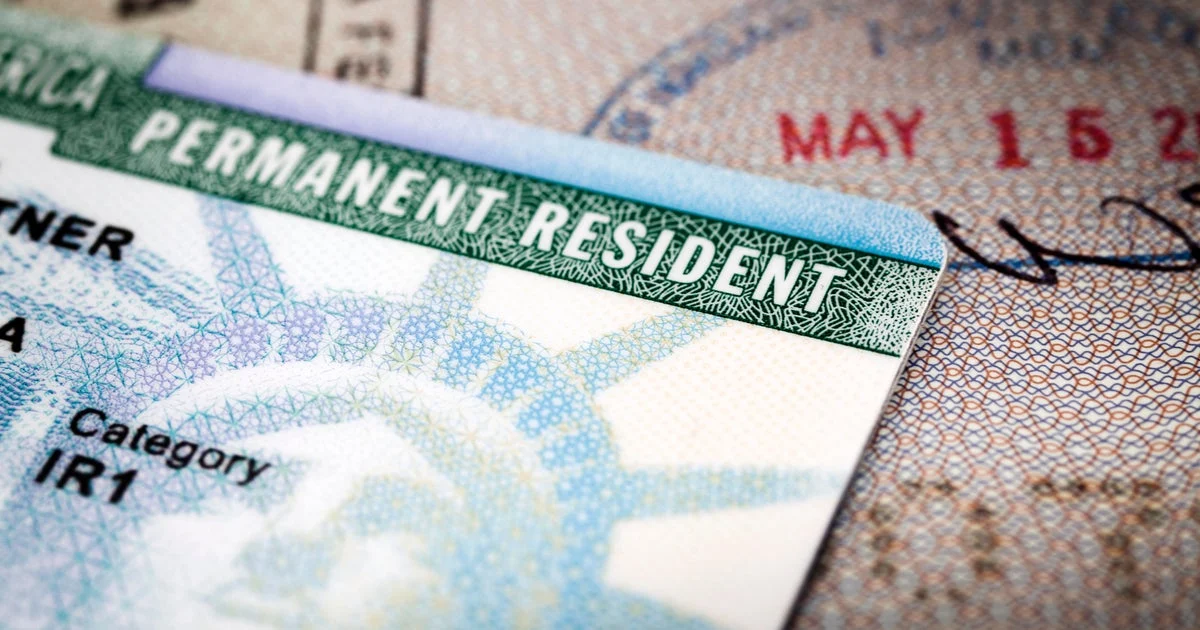
The Trump administration announced a new policy that will require most immigrants seeking lawful permanent residency, or green cards, to leave the United States and apply for immigrant visas from their home countries. The policy, unveiled in a memorandum from U.S. Citizenship and Immigration Services (USCIS) on May 22, 2026, marks a significant shift that limits the use of the “adjustment of status” process, which previously allowed many immigrants to obtain green cards without leaving the country.
According to the memo, USCIS officers are now instructed to consider the adjustment of status as an “extraordinary” act and to treat applicants’ choice to remain in the U.S. for processing as an adverse factor. Most immigrants—including students, tourists, temporary visa holders, and those who overstayed their visas—will be required to return abroad to apply for a green card through consular processing at U.S. embassies or consulates.
Exceptions appear limited. The memo indicates that people holding “dual intent” visas, such as H-1B workers, along with refugees and asylees, may still qualify to adjust status within the U.S. USCIS spokesman Zach Kahler emphasized that the change aims to “allow our immigration system to function as the law intended” and reduce unauthorized stays by those denied residency.
Potential Impact on Immigrants and Families
Current and former immigration officials warn the policy will disrupt plans for hundreds of thousands of families and employers. Michael Valverde, a former senior USCIS official, described the move as “largely unprecedented” and said it raises “tremendous uncertainty” for people who followed immigration rules.
Doug Rand, another former senior USCIS official, noted that roughly 500,000 green cards are granted annually through adjustment of status, with many recipients being spouses of U.S. citizens who entered on temporary visas. He highlighted that forcing these individuals to leave could prevent them from returning, especially if their home countries are subject to travel bans or restrictions. Currently, citizens of 39 countries face entry bans or restrictions due to national security proclamations, and visas from 75 countries have been paused under economic grounds.
Beyond travel bans, immigrants who have overstayed their visas risk triggering a 10-year bar on reentry if they depart under the new rules. This could further complicate reunifications for immigrant families and hinder lawful permanent residency processes.
Why it matters
The new policy could significantly reduce legal immigration by narrowing the circumstances in which immigrants can adjust status inside the U.S. It represents a continuation of the Trump administration’s efforts to restrict immigration, potentially increasing the number of individuals forced to live temporarily or permanently outside the U.S. This may also increase consular workload and delays as more immigrants must process their applications overseas.
For many immigrants, particularly those married to U.S. citizens or employed by U.S. companies, the requirement to leave the country may cause personal and financial hardship. The possibility of being barred from returning for extended periods adds uncertainty about their legal status and future prospects in the United States.
Background
The adjustment of status process has historically allowed certain immigrants already in the U.S. to apply for green cards without leaving, facilitating family unification and employment-based immigration. This policy reversal aligns with various Trump-era immigration restrictions, including travel bans targeting mainly African and Asian countries and pauses on immigrant visa grants citing economic concerns. USCIS frames the adjustment of status as an act of “administrative grace” contrary to congressional intent that most immigrants seek visas abroad.
The Trump administration asserts the new rules will close perceived loopholes and ease enforcement against undocumented stays, reinforcing immigration laws as written. However, legal challenges and public debate over the fairness and humanitarian impact of these restrictions are expected to continue.
Sources
This article is based on reporting and publicly available information from the following source:
Read more Politics stories on Goka World News.