
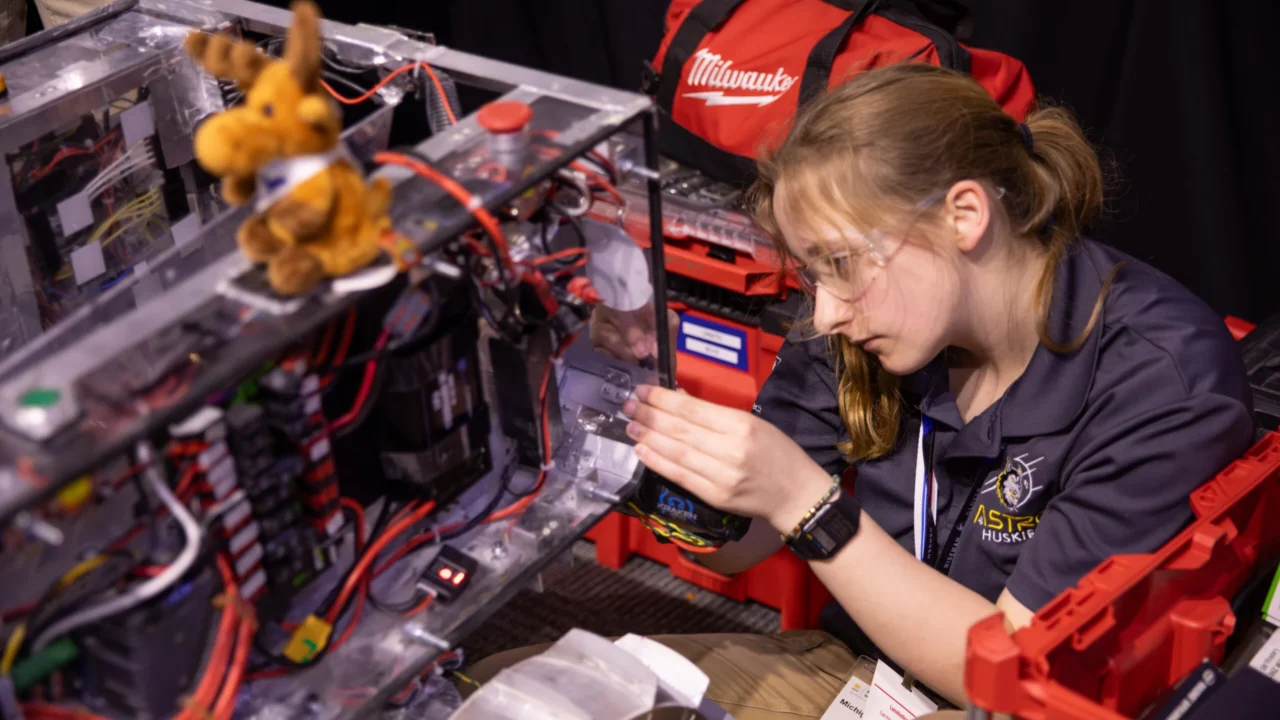
Forty-seven student teams from across the United States took part in NASA’s 2026 Lunabotics Challenge, designing and building remote-controlled robots to simulate construction tasks on the lunar surface. The competition’s finals were held on May 19, 2026, at the Kennedy Space Center Visitor Complex in Florida as part of NASA’s Artemis program preparations.
What happened
Students from higher education institutions applied NASA’s Systems Engineering principles to create prototype lunar robots. These machines were tasked with navigating difficult, uneven terrain and constructing berms made from simulated lunar regolith, mirroring challenges the agency expects to encounter during Artemis missions. The event tested the robots’ capabilities in off-world construction operations to support future lunar exploration and infrastructure development.
Why it matters
The Lunabotics Challenge plays a critical role in advancing technologies supporting NASA’s goal of sustained human presence on the Moon. By engaging students in real-world engineering problems, the program helps cultivate the next generation of space engineers and innovators. The competition’s focus on autonomous and remote-controlled robotic construction addresses key technical challenges for deploying lunar habitats, landing pads, and protective berms essential for astronaut safety.
Background
Launched in previous years, NASA’s Lunabotics Challenge invites university teams nationwide to design robots capable of handling materials and construction tasks on extraterrestrial terrains. The competition aligns with Artemis, NASA’s initiative to return humans to the Moon by the mid-2020s and eventually establish a sustainable lunar base. The use of locally sourced materials like lunar regolith for construction reduces reliance on Earth-supplied infrastructure, making robotic building capabilities vital for mission success.
Sources
This article is based on reporting and publicly available information from the following source:
Read more Space & NASA stories on Goka World News.