
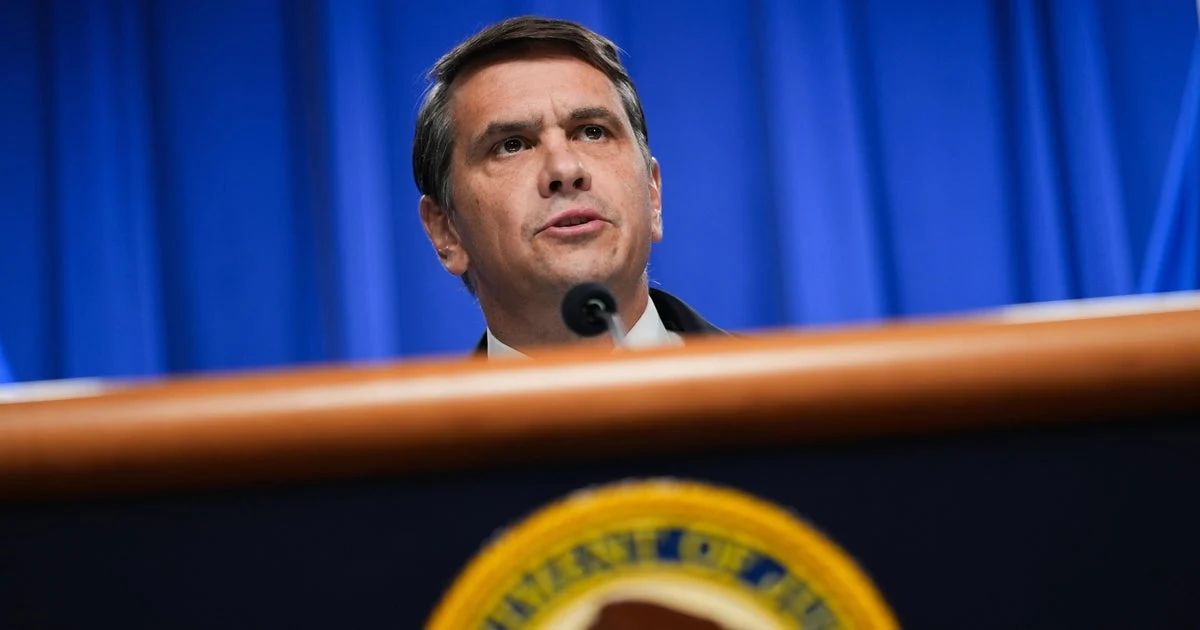
The U.S. Justice Department announced Monday it will halt work on a $1.8 billion “anti-weaponization” fund after a federal judge temporarily blocked the program’s establishment, suspending disbursement and claims processing.
What happened
U.S. District Judge Leonie Brinkema of the Eastern District of Virginia issued a temporary order last Friday preventing the Justice Department from advancing the fund’s creation or operation. The order aims to ensure no funds are irreversibly disbursed while the court considers whether long-term relief is warranted. A hearing on the matter is scheduled for June 12.
The fund was created as part of a settlement in a civil lawsuit brought by former President Donald Trump against the IRS, centered around the release of his tax returns. It is intended to provide taxpayer-funded payouts to individuals who allege they were unfairly targeted or “weaponized” by the federal government.
The Justice Department, while expressing strong disagreement with the ruling, said it will comply with the court order and suspend the program for now. The department highlighted that the fund was open to all individuals regardless of political affiliation.
However, the fund drew political controversy as allies of Trump—including some charged over the January 6, 2021, Capitol attack—expressed interest in making claims. Political opposition from Republicans in Congress escalated last month during a Senate GOP conference, complicating legislative negotiations on related funding bills. Some Senate Republicans sought to limit payments to individuals convicted of assaulting law enforcement.
House Speaker Mike Johnson met with Trump at the White House on Monday to discuss the fund, reflecting ongoing political tensions. Senate Minority Leader Chuck Schumer vowed coordinated Democratic opposition, while Senate Majority Leader John Thune suggested the administration should consider shutting down the fund altogether.
Why it matters
The suspension of the anti-weaponization fund halts a significant Justice Department initiative perceived by some as addressing federal overreach and political persecution claims. The program’s creation and subsequent blocking highlight ongoing partisan divisions over accountability for federal law enforcement actions, especially related to January 6 defendants and other government critics.
The dispute also exposes fractures within the Republican Party, as GOP lawmakers balance support for Trump allies with reactions from moderates concerned about potential misuse of taxpayer funds. The fund’s fate could influence future congressional negotiations on funding and oversight of federal agencies.
Background
The anti-weaponization fund emerged from a civil settlement resolving Trump’s lawsuit against the IRS over his tax return disclosures by a government contractor. Announced by the Justice Department, the program aimed to compensate those alleging harmful government targeting. It faced immediate legal challenges and political resistance.
Judge Brinkema’s order forms part of ongoing judicial scrutiny surrounding January 6 cases and related legal settlements. In a related development, another federal judge in Florida has ordered Trump to respond to accusations that his IRS lawsuit dismissal was intended to avoid judicial review, with some former judges alleging the settlement involved collusion.
Sources
This article is based on reporting and publicly available information from the following source:
Read more Politics stories on Goka World News.