
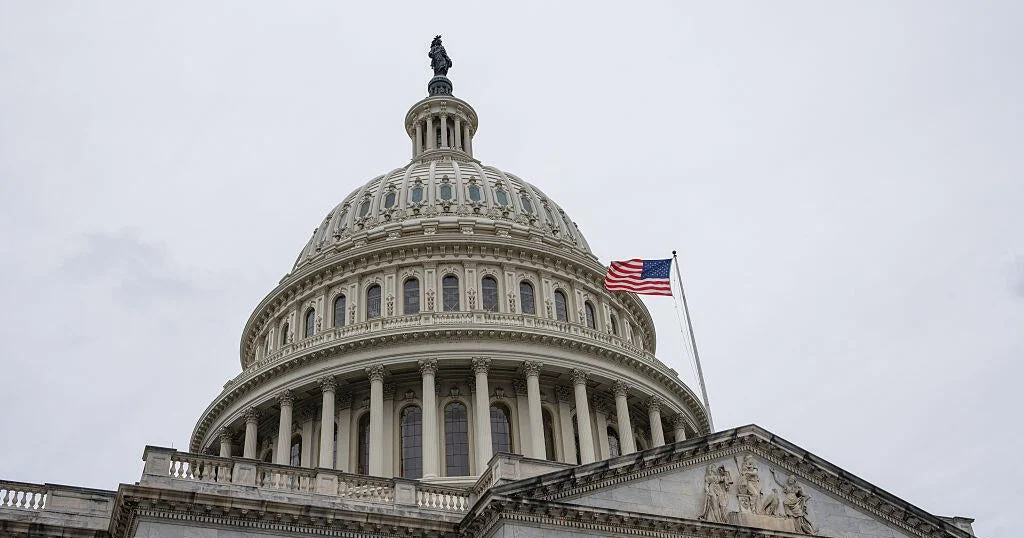
Congress returned this week with the Republican agenda stalled due to internal disagreements over a Department of Justice (DOJ) fund created to compensate individuals alleging legal “weaponization.” This dispute has blocked plans to fund immigration enforcement agencies, creating uncertainty over legislative priorities.
What happened
Last month, Senate Republicans prepared for a series of votes to approve funding for Department of Homeland Security (DHS) immigration enforcement agencies via budget reconciliation. However, the late introduction of a $1.776 billion DOJ “anti-weaponization” fund complicated their effort.
The fund, established under a settlement from a Trump administration lawsuit against the IRS, aims to provide taxpayer-funded payouts to people claiming to have faced unfair legal persecution. Some Trump allies and individuals charged in the January 6 Capitol attack have signaled interest in filing claims, raising concern among GOP senators.
During a tense GOP Senate meeting with Acting Attorney General Todd Blanche, significant unease emerged regarding the fund’s operation and eligibility criteria. Senator Ted Cruz described the session as one of the toughest of his Senate career. Key questions about preventing compensation for those who assaulted law enforcement remain unresolved.
Democrats have also promised to challenge the fund through amendments during the funding vote, complicating Republican efforts. Due to these divisions, GOP leaders abandoned the DHS funding plan before the recess, missing President Biden’s June 1 target.
As the Senate reconvenes, Republicans continue to grapple with addressing the fund’s future. Former Vice President Mike Pence has publicly called for the administration to drop the fund, highlighting bipartisan unease. Senate Minority Leader Chuck Schumer pledged a coordinated campaign to block the DOJ fund, emphasizing firm opposition regardless of GOP actions.
The House has echoed some Republican concern, with Representative Brian Fitzpatrick criticizing the fund for undermining institutional transparency and accountability. Meanwhile, a federal judge issued a temporary injunction halting DOJ work on the fund, though the department maintains confidence in its legality.
Why it matters
The conflict over the DOJ anti-weaponization fund is a rare public fracture within the Republican Senate caucus, delaying funding for immigration enforcement agencies that the administration prioritizes. It also reflects broader tensions surrounding January 6 and accountability for politically charged cases, complicating bipartisan cooperation on budget issues.
With Democrats united against the fund and some Republicans balking at its implications, the dispute may further stall legislative progress, including critical immigration policies. Additionally, the fund’s future could set precedents for government payouts in politically sensitive legal disputes, raising questions about legal accountability and taxpayer responsibility.
Background
The DOJ fund stems from a settlement of a lawsuit filed by former President Donald Trump against the IRS, addressing claims that the legal system has been “weaponized” against political figures or groups. The fund’s creation came as part of a broader Trump-era effort to address perceived abuses by federal agencies.
Since its announcement, the fund has attracted criticism and legal challenges due to fears it could reward individuals involved in unlawful acts, particularly those charged in the January 6 Capitol breach. Congressional attempts to review or modify the fund have been met with procedural hurdles, contributing to the stalled legislative agenda.
Alongside this funding dispute, Congress is also preparing for contentious debates over U.S. war powers related to Iran, further complicating an already fraught legislative session.
Sources
This article is based on reporting and publicly available information from the following source:
Read more Politics stories on Goka World News.