
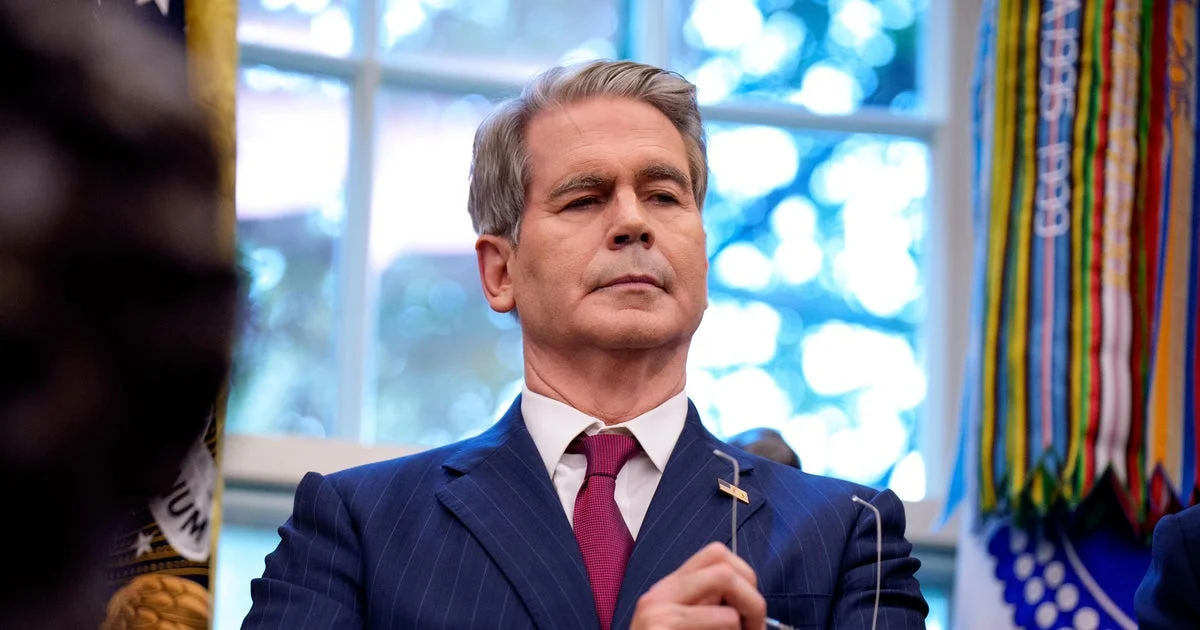
The U.S. Treasury Department intends to use frozen Iranian assets to aid Gulf allies in recovering from damage inflicted by Tehran during the ongoing conflict, according to a source familiar with Treasury Secretary Scott Bessent’s plans.
What happened
The Treasury will leverage all available authorities to access Iranian funds or assets to finance rebuilding and repair efforts related to damage caused by Iran. Secretary Bessent has also directed the department to collect comprehensive estimates from Gulf countries—including Saudi Arabia, the United Arab Emirates, Kuwait, Bahrain, Qatar, and Oman—on the costs of repairing damage since the war began.
The department is evaluating which types of frozen Iranian assets might be used, such as cash in frozen bank accounts or hard assets like oil tankers, to support these recovery efforts. This move comes as indirect peace talks between the U.S. and Iran continue, with Tehran demanding sanctions relief and access to billions of dollars in frozen assets as conditions for any agreement.
Since late February, Iran has conducted intermittent missile and drone attacks across Gulf states, escalating tensions in the region and creating significant infrastructure and economic damage.
Why it matters
Using Iranian frozen assets to aid Gulf countries signals a strategic approach by the U.S. to hold Iran financially accountable while offering a method to assist allies harmed in the conflict. The decision reflects ongoing diplomatic efforts to resolve the war through indirect negotiations, balancing pressure on Iran with potential incentives.
By coordinating with Gulf allies to quantify damage costs, the Treasury is preparing a systematic framework for reparations or compensation that could influence both the region’s stability and the progress of peace talks.
Background
Iran’s conflict with Gulf states intensified after missile and drone strikes targeted multiple countries in the region starting in late February. In response, the U.S. sanctioned Iranian assets globally, freezing billions of dollars to limit Tehran’s financial capabilities. Concurrently, the U.S. and Iran have engaged in indirect talks aimed at achieving a ceasefire and broader peace agreement, with Iran demanding sanctions relief in exchange for halting attacks and potentially releasing detained foreign nationals.
The Treasury’s plan to repurpose frozen Iranian assets for Gulf recovery is a notable development within this complex geopolitical and diplomatic landscape, illustrating evolving U.S. strategies to support regional allies amid ongoing hostilities.
Sources
This article is based on reporting and publicly available information from the following source:
Read more Politics stories on Goka World News.