
The Senate on Friday blocked a procedural vote that would have led to a final decision on extending Section 702 of the Foreign Intelligence Surveillance Act (FISA), a key surveillance program used by U.S. intelligence agencies. The 47-52 vote against the motion means Section 702 will expire on June 12 unless further action is taken.
What happened
Seven Republican senators joined all Democrats except one in opposing the procedural motion needed to advance the FISA reauthorization. The Republicans voting with Democrats were Josh Hawley (MO), Mike Lee (UT), Rand Paul (KY), Eric Schmitt (MO), Rick Scott (FL), John Kennedy (LA), and Tommy Tuberville (AL). Democratic Sen. John Fetterman was the only Democrat who supported moving forward.
The opposition largely stemmed from concerns that Section 702 permits warrantless surveillance on Americans, incidentally collecting their communications. Many critics want stricter warrant requirements for accessing such data.
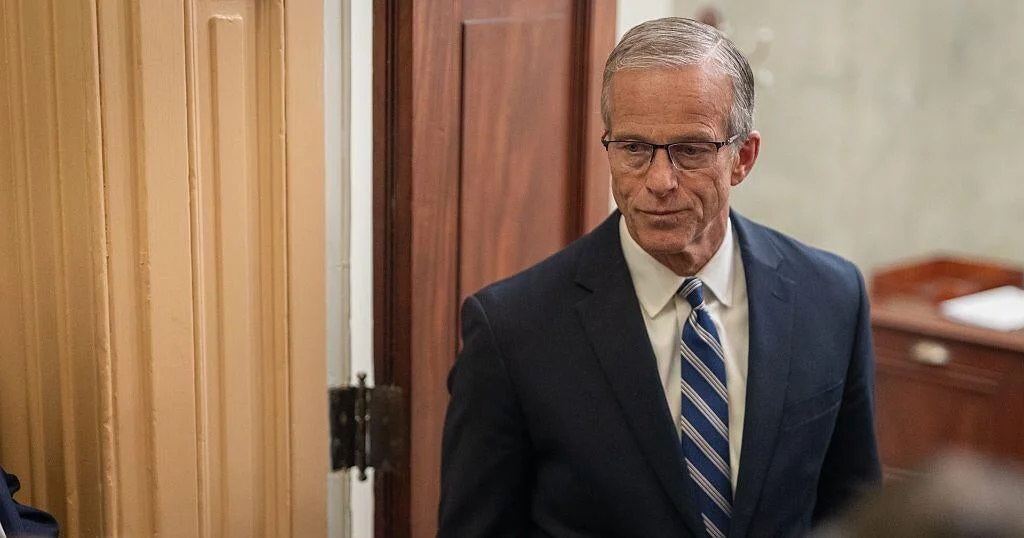
Senate Majority Leader John Thune criticized the opposition as “terribly irresponsible” and indicated the Senate would attempt to revisit the extension next week. Thune also referenced controversy surrounding the appointment of Bill Pulte as acting director of national intelligence, which some believe influenced the vote.
Democratic Senator Ron Wyden, a long-time critic of the surveillance law, described the bipartisan opposition as evidence that reform transcends party lines and emphasized protecting Americans from unlawful surveillance.
In parallel, Senators Tom Cotton and Chuck Grassley sent a letter to Secretary of State Marco Rubio urging preparations for potential intelligence gaps if Section 702 lapses, including alternative collection methods and possibly a new executive order to mitigate any lapse.
Why it matters
Section 702 of FISA authorizes intelligence agencies like the CIA, NSA, and FBI to collect foreign communications without a warrant, a critical tool for national security operations. Its expiration could disrupt ongoing intelligence activities and complicate U.S. efforts to monitor foreign targets, especially those linked to terrorism or espionage.
The failure to pass the extension highlights ongoing political divisions over privacy and surveillance, with concerns about protecting civil liberties clashing with national security priorities. The debate also reflects broader mistrust related to recent political controversies involving federal appointments and election investigations.
The Senate’s inability to secure bipartisan consensus before the deadline raises the risk of an intelligence gap, prompting lawmakers to urge the executive branch to have contingency plans in place.
Background
Section 702 of the Foreign Intelligence Surveillance Act, first authorized in 2008, enables U.S. intelligence agencies to collect foreign communications without a warrant. However, incidental collection of Americans’ communications has fueled controversy and calls for reform.
Congress has previously approved short-term extensions while negotiating reforms such as increased oversight and warrant requirements. The Trump administration’s recent nomination of Bill Pulte to head national intelligence has been contentious, with bipartisan criticism regarding his qualifications, complicating legislative negotiations.
As the June 12 expiration approaches, the Senate and House remain divided over provisions related to the bill, including restrictions added by House Republicans. The legislative outcome will determine the future of a crucial surveillance authority affecting U.S. intelligence operations.
Sources
This article is based on reporting and publicly available information from the following source:
Read more Politics stories on Goka World News.