
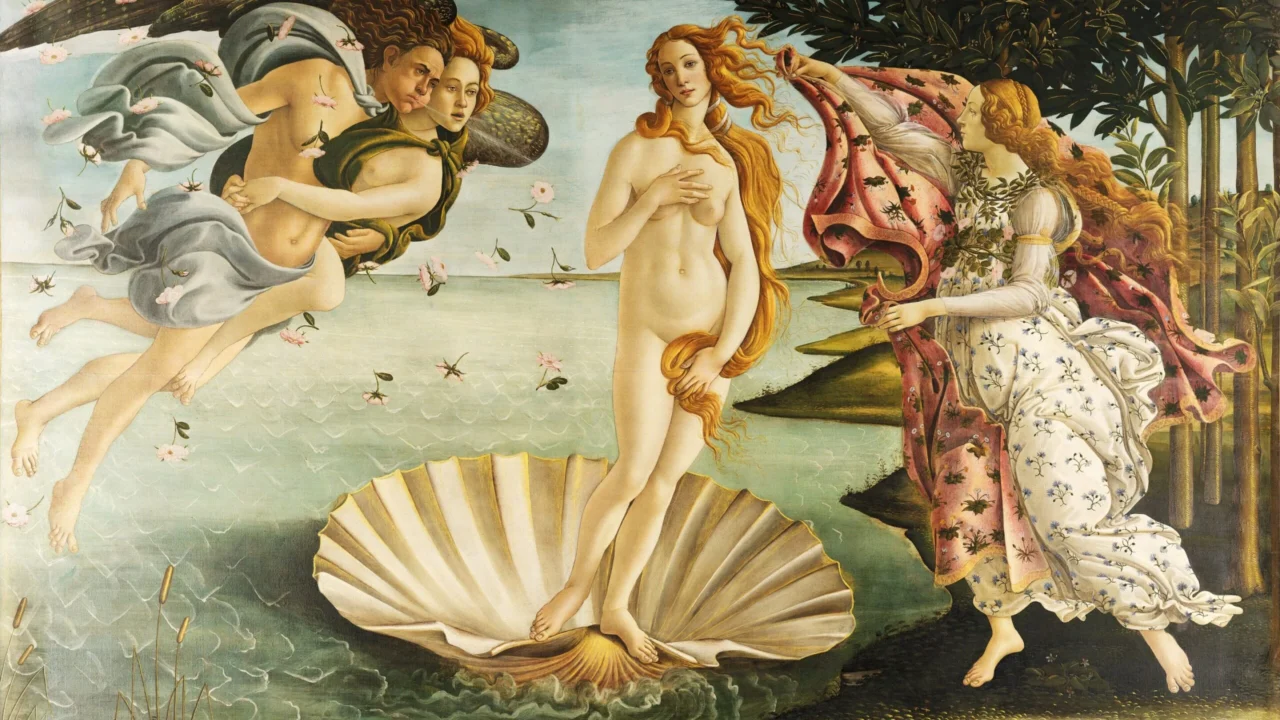
Researchers from Queen Mary University of London, Universita Campus Bio-Medico di Roma, and the University of California have presented new findings suggesting that Simonetta Vespucci, the model for Sandro Botticelli’s famed painting Birth of Venus, likely died from pituitary tumor apoplexy. The study, published in the journal Endocrinology, Diabetes & Metabolism in 2026, reevaluates historical records and medical symptoms, challenging previous assumptions that tuberculosis caused her premature death at age 23.
What Happened
The authors analyzed archival letters and documents that described Vespucci’s final days in 1476, revealing symptoms consistent with a sudden expansion of a pituitary adenoma, known as tumor apoplexy. These included collapse during a ball, severe headaches, hallucinations, vomiting, and high fever. The research combined historical inquiry with modern facial recognition analysis applied to five portraits by Botticelli, highlighting physical traits indicative of a prolactin- and growth hormone-secreting pituitary adenoma. The findings were reported by Dr. Domiziana Nardelli of Universita Campus Bio-Medico di Roma and Professor Paolo Pozzilli of Queen Mary University of London.
Key Facts
- Simonetta Vespucci was born in Liguria on January 28, 1453, and died at age 23 in Florence.
- Her death had previously been attributed to tuberculosis (consumption).
- The study identified clinical symptoms matching pituitary tumor apoplexy from historical correspondence between Piero Vespucci and Lorenzo de’ Medici.
- Facial recognition algorithms analyzed Botticelli’s five portraits of Vespucci, detecting signs of endocrinological changes such as lactation and irregular eye positioning (strabismus).
- The research was published in the journal Endocrinology, Diabetes & Metabolism with DOI: 10.1002/edm2.70261.
Why It Matters
This research provides a medically plausible explanation for Vespucci’s early death based on contemporary clinical signs, shifting historical understanding away from infectious disease to endocrine pathology. It also exemplifies the use of interdisciplinary methods—combining art history, medical science, and modern technology—to reinterpret historical mysteries.
Background
Simonetta Vespucci was a renowned figure in Florentine Renaissance society, celebrated for her beauty and intellect. She modeled for Botticelli multiple times and was immortalized as the muse for some of his most celebrated works. Earlier studies from 2019 by the same group had proposed the presence of a pituitary adenoma, but without attributing tumor apoplexy as the cause of death.
Analysis
Dr. Domiziana Nardelli commented that the reported symptoms aligned closely with a rapidly expanding pituitary tumor causing acute neurological and systemic effects. Professor Paolo Pozzilli noted that the portraits’ depiction of lactation and strabismus supports this endocrine hypothesis, suggesting the artist may have captured genuine physical manifestations of Vespucci’s illness rather than idealized beauty standards.
Who Is Affected
This research primarily concerns historical and medical scholars studying Renaissance art, endocrinology, and the medical history of prominent historical figures. It may also influence future investigations of disease representation in art from this era.
What Remains Unclear
- The exact trigger for the onset of tumor apoplexy remains speculative, with hypotheses including physical trauma such as dancing or possible assault, but lacking definitive evidence.
- Clinical confirmation through contemporary testing or physical remains is impossible due to the historical nature of the subject.
- The full extent to which Botticelli intentionally portrayed medical symptoms in his art versus symbolic or aesthetic choices is still debated.
What Comes Next
Professor Pozzilli’s forthcoming research will further investigate the ocular irregularities depicted in Botticelli’s portraits of Vespucci, expanding on the theory that these features are linked to pituitary tumor effects.
Sources
This article is based on reporting and publicly available information from the following source:
Read more Science Discoveries stories on Goka World News.