
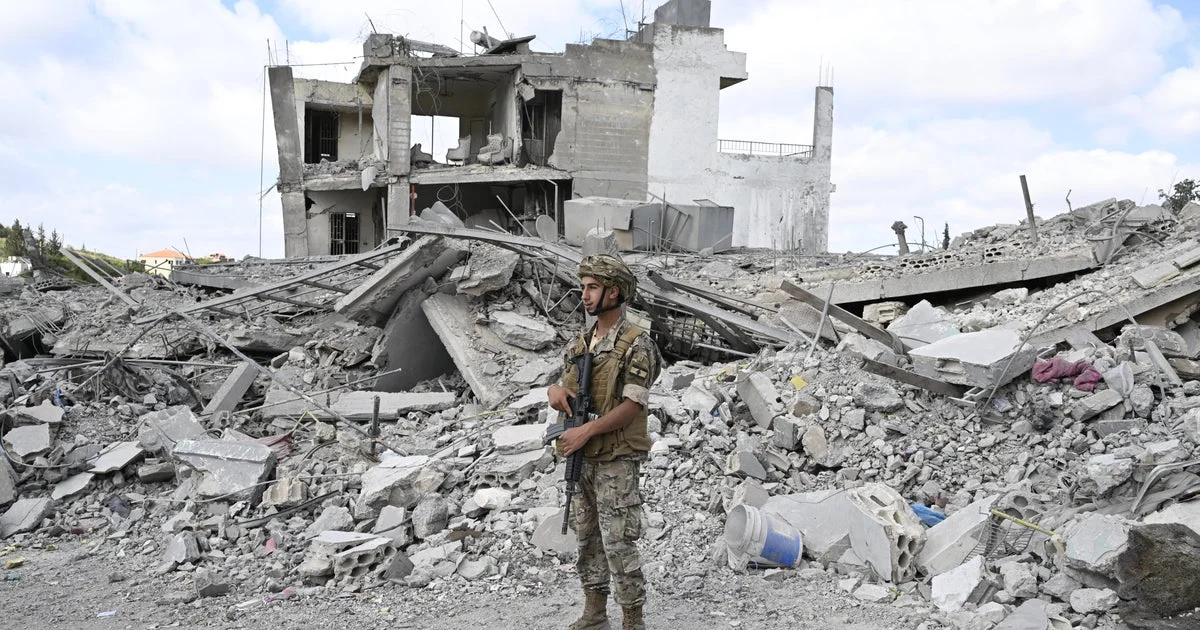
Iran has declared that as part of the U.S.-brokered memorandum of understanding aimed at ending hostilities with Iran, Israeli forces must withdraw from southern Lebanon, a move Israel has refused. The deal, scheduled to be formalized in Switzerland this Friday, seeks to initiate new negotiations on Iran’s nuclear program and regional security but faces immediate disagreements over Israel’s presence in Lebanon.
What Happened
On June 16, 2026, Iranian Foreign Minister Abbas Araghchi stated at a press conference in Tehran that Israeli troops remaining in southern Lebanon or any Israeli strikes on Lebanon after the U.S.-Iran memorandum comes into effect would violate the agreement. The memorandum of understanding, expected to be signed Friday in Burgenstock, Switzerland, represents a step toward ending the current conflict involving the U.S., Iran, Israel, and Hezbollah.
Despite this Iranian demand, Israeli officials, including National Security Minister Itamar Ben-Gvir, announced their intention to keep troops in southern Lebanon, asserting that “Trump’s agreement does not bind us.”
Key Facts
- Israeli drone strikes on June 15 and 16 killed at least four people in southern Lebanon’s Nabatieh region, as reported by Lebanon’s National News Agency.
- Iranian Foreign Minister Abbas Araghchi said, “Any military attack by Israel against Lebanon, as well as occupation of Lebanese territory, constitutes a violation of the U.S.-Iran memorandum.”
- U.S. Ambassador to Israel Mike Huckabee stated the Israeli fight against Hezbollah is not linked to the memorandum and that Israel does not need Iran’s permission to defend itself.
- The U.S.-Iran agreement signing ceremony is planned for June 19, 2026, in Switzerland’s Burgenstock resort.
- The agreement includes a 60-day period for further negotiations on Iran’s nuclear program and related issues.
Why It Matters
The demand by Iran for Israeli withdrawal touches on a longstanding regional flashpoint involving Hezbollah and Lebanon’s territory, threatening to complicate diplomatic efforts to reduce hostilities. The dispute highlights ongoing tensions that could affect the stability of Lebanon and broader Middle Eastern security, despite moves toward peace talks and a potential nuclear agreement.
Background
Since February 28, 2026, a conflict has been ongoing involving Israel and Iranian-backed Hezbollah forces in Lebanon. The U.S. and Iran have sought a diplomatic resolution culminating in the current agreement aiming to de-escalate the war, reopen the Strait of Hormuz for free maritime passage, and curb Iran’s nuclear ambitions. Israel’s military presence in southern Lebanon dates back to previous conflicts with Hezbollah and remains a contentious issue.
Analysis
Iranian President Masoud Pezeshkian described the memorandum as “an important step” toward ending the war but stressed that no final agreement has been reached and warned Iran remains “ready for any scenario.” U.S. Senator Lindsey Graham expressed cautious optimism about a diplomatic solution but cited Iran’s history of “deceit” as a concern for compliance.
U.S. Ambassador Mike Huckabee countered Iran’s claims linking the deal to Hezbollah’s conflict with Israel, emphasizing that the agreement does not restrict Israel’s right to self-defense.
Who Is Affected
- The Lebanese population in southern Lebanon, impacted by ongoing Israeli military strikes and occupation.
- Israeli military forces positioned in southern Lebanon.
- Hezbollah militia and affiliated groups operating in Lebanon.
- Governments of Iran, Israel, and the United States involved in the broader conflict and negotiation process.
What Remains Unclear
- The full text of the U.S.-Iran memorandum of understanding has not been publicly released.
- Whether Israel will ultimately comply with demands to withdraw troops from Lebanon.
- Details of how the Iranian nuclear program will be addressed in the next negotiation phase.
- Potential for renewed military action if disputes over Israeli presence in Lebanon continue.
What Comes Next
- The memorandum of understanding between the U.S. and Iran is expected to be officially signed at Burgenstock, Switzerland, on June 19, 2026.
- A 60-day period will commence for detailed negotiations on Iran’s nuclear program and related regional security issues.
- Continued monitoring of Israeli military activity in Lebanon amid discord over troop presence and attacks.
Sources
This article is based on reporting and publicly available information from the following source:
Read more World News stories on Goka World News.