
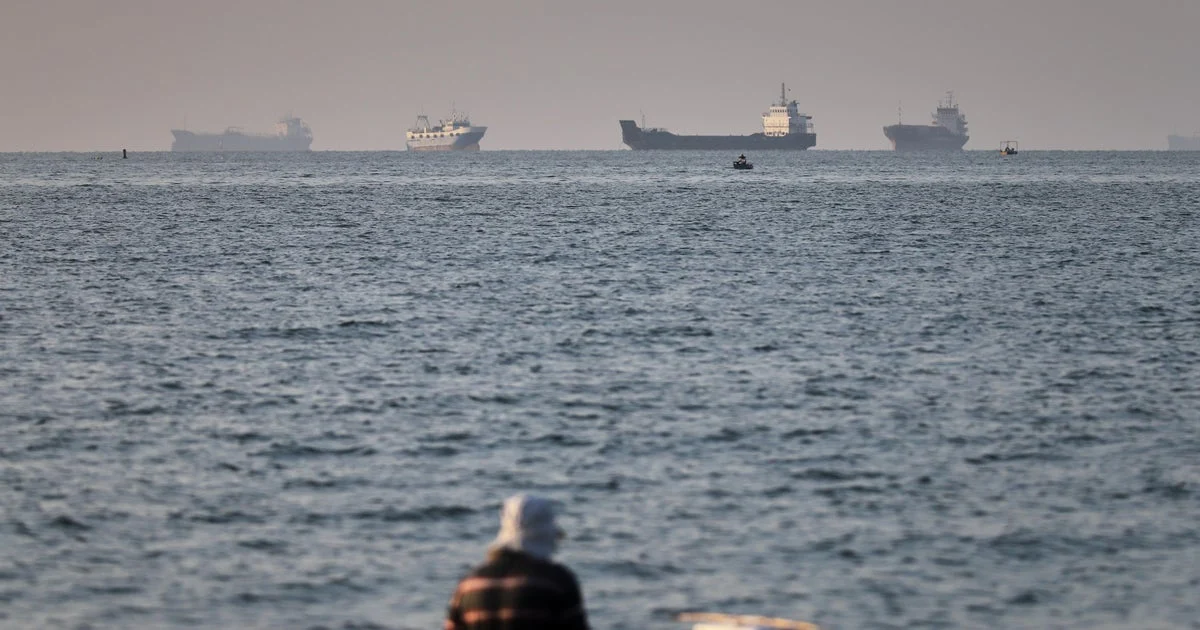
President Donald Trump announced on June 14, 2026, that the Strait of Hormuz would be “totally safe, secure, and pristine” following a memorandum of understanding between the U.S. and Iran to lift restrictions on maritime traffic. However, major shipping companies remain reluctant to resume normal operations in the vital waterway, demanding firm security guarantees before committing to increased transit.
What Happened
The United States and Iran are set to sign a memorandum of understanding on June 16, 2026, in Switzerland that will formally end restrictions imposed on vessels transiting the Strait of Hormuz. President Trump announced on June 14 the “toll free opening” of the strait and authorized the removal of the U.S. naval blockade. Despite these developments, a multinational naval coalition’s advisory on June 15 stated the blockade would remain in effect until the ceasefire was fully executed, maintaining a “SEVERE” maritime security threat level. While some tankers have begun limited transit with empty vessels repositioned in anticipation of increased demand, traffic remains far below pre-conflict averages of around 135 ships per day.
Key Facts
- The memorandum of understanding between the U.S. and Iran is scheduled for signing on June 16, 2026.
- Pre-war transit through the strait accounted for about 20% of global oil and gas supplies.
- Current maritime security threat level remains labeled “SEVERE” due to ongoing blockade operations.
- Shipping traffic remains significantly reduced compared to pre-conflict levels, with just a trickle of tankers traversing.
- Industry experts estimate it may take 3–4 months for cargo flows to return to normal.
- Removal of Iranian sea mines from the strait could require 40 to 50 days.
Why It Matters
The Strait of Hormuz is a critical artery for global energy supplies, accounting for about one-fifth of the world’s oil and gas transit pre-conflict. Any disruption affects global energy prices and market stability. The current uncertainty and security concerns risk prolonging supply disruptions and elevated energy costs worldwide. Shipping companies’ cautious stance highlights the fragile security situation and the need for verified safety before full commercial activity can resume.
Background
After the U.S. and Israel launched a military campaign against Iran on February 28, 2026, Iran retaliated with attacks and threats against commercial vessels in the Strait of Hormuz. This led to a virtual halt in traffic, sharply increasing global energy prices. Tensions prompted a U.S. naval blockade of Iranian ports and vessels. The recent memorandum marks a tentative move towards easing these restrictions amid ongoing ceasefire negotiations.
Analysis
Richard Meade, a shipping analyst at Lloyd’s List, warned that current developments “should not be mistaken for a return to normality.” Jakob Larsen, head of safety and security at BIMCO, stated that the shipping industry still views the situation as “very risky” due to a lack of detailed security assurances. Jotaro Tamura, CEO of Mitsui OSK Lines, described safety confirmation as essential before operations could resume. Leon Schulz, spokesman for Hapag-Lloyd, noted the deal offered “reason to hope” but indicated that risk assessments are still ongoing.
Who Is Affected
- Global shipping companies transporting oil and gas through the Strait of Hormuz.
- Energy markets reliant on stable oil and gas transit through the region.
- Countries dependent on Gulf energy exports.
What Remains Unclear
- Details of the memorandum of understanding’s text and specific practical steps for reopening the strait safely have not been disclosed.
- The timeline and process for complete ceasefire implementation and removal of naval blockades remain uncertain.
- The extent and timeline for clearing Iranian sea mines in the strait is unresolved.
- Whether shipping insurance rates will be adjusted to reflect improved security is pending “solid evidence” of safety.
What Comes Next
- Signing of the U.S.-Iran memorandum in Switzerland on June 16, 2026.
- Execution of ceasefire terms and phased removal of blockade by the U.S. military.
- Reassessment of maritime security levels and shipping insurance premiums based on evolving conditions.
- Continued monitoring by international naval coalitions and shipping companies before full traffic resumes.
Sources
This article is based on reporting and publicly available information from the following source:
Read more World News stories on Goka World News.