
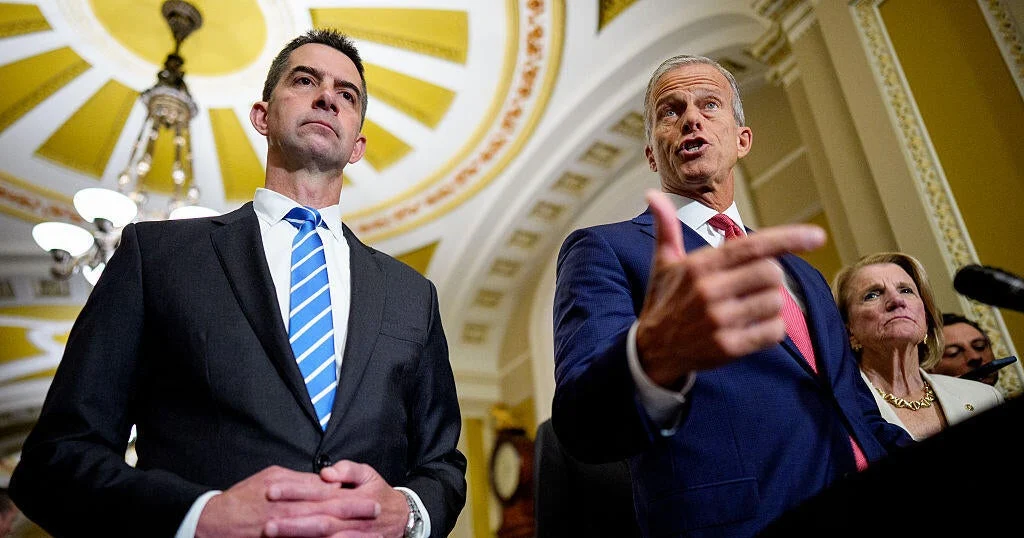
The Senate postponed the confirmation hearing for Jay Clayton as director of national intelligence on June 17, 2026, following a last-minute intervention by former President Donald Trump. Trump’s directive disrupted the chamber’s plan for a swift vote amid concerns over the future of a critical foreign intelligence surveillance authority.
What Happened
Senate Republicans had scheduled a quick confirmation hearing for Jay Clayton, presidentially nominated to replace the acting director of national intelligence. The move aimed to resolve a stalemate over the renewal of Section 702 of the Foreign Intelligence Surveillance Act (FISA), which expired recently. However, Trump posted on his social platform early Wednesday morning that the Senate hearing was canceled and would not proceed until his nominee to replace his current role as U.S. Attorney for the Southern District of New York received Senate approval.
Initially, Sen. Tom Cotton (R-Arkansas), chairman of the Senate Intelligence Committee, insisted that the hearing would proceed unless Trump instructed otherwise. Senate Majority Leader John Thune also supported moving forward pending White House clarity. But after further communication, Cotton announced the hearing was postponed, lamenting that Trump had directed Clayton not to appear.
Despite the delay, Senate GOP leaders praised Clayton, calling him a highly qualified nominee with extensive experience managing high-profile prosecutions and national security threats. Democrats expressed frustration, accusing the White House of recklessness endangering national security. Minority Leader Chuck Schumer characterized the situation as a Republican effort undermined by Trump’s actions.
Key Facts
Jay Clayton is the current U.S. Attorney for the Southern District of New York and previously served as Securities and Exchange Commission chairman during the first Trump administration. Clayton’s nomination came after former DNI Tulsi Gabbard announced her resignation and Trump’s controversial appointment of Bill Pulte as acting DNI sparked bipartisan opposition.
The Senate Intelligence Committee planned to vote on Clayton’s nomination soon after the hearing, but the timeline is now uncertain. Trump linked his blockade of the hearing to demands that an election bill, the SAVE America Act, be attached to the FISA reauthorization, legislation opposed by many Democrats.
Sen. Mark Warner (D-Va.), vice chairman of the Intelligence Committee, criticized the White House for what he called reckless leadership harming Americans’ security interests.
What This Means
The postponement stalls the confirmation of a permanent director of national intelligence, leaving the crucial spy authority renewal in limbo. The expiration of Section 702 impairs the government’s capacity to conduct foreign intelligence surveillance, a key tool in national security operations. The delay reflects heightened partisan tensions, as the White House uses confirmation leverage to press legislative priorities that are contentious in Congress.
For ordinary Americans, this political standoff may prolong uncertainty in intelligence oversight, which could affect counterterrorism and cybersecurity efforts. The situation illustrates how nominations for national security posts can become entangled in broader political disputes, complicating timely government function. The Senate’s inability to promptly confirm Clayton indicates ongoing friction between Congress and the executive branch regarding surveillance laws and election-related legislation.
Background
Tulsi Gabbard announced her resignation as director of national intelligence in May, citing personal reasons. Bill Pulte’s appointment as acting DNI, despite his lack of national security experience, met resistance, causing Democrats to block the FISA renewal. Republicans urged Trump to nominate Clayton to break the stalemate. The announcement came too close to the expiration deadline to allow immediate Senate action, triggering pressure for a rapid confirmation process.
What Comes Next
The Senate awaits further guidance from the White House on whether Clayton’s nomination will move forward. No new hearing date has been set. Senate leadership has indicated they will take the process day-by-day pending clearer direction from the administration.
Sources
This article is based on reporting and publicly available information from the following source:
Read more Politics stories on Goka World News.