
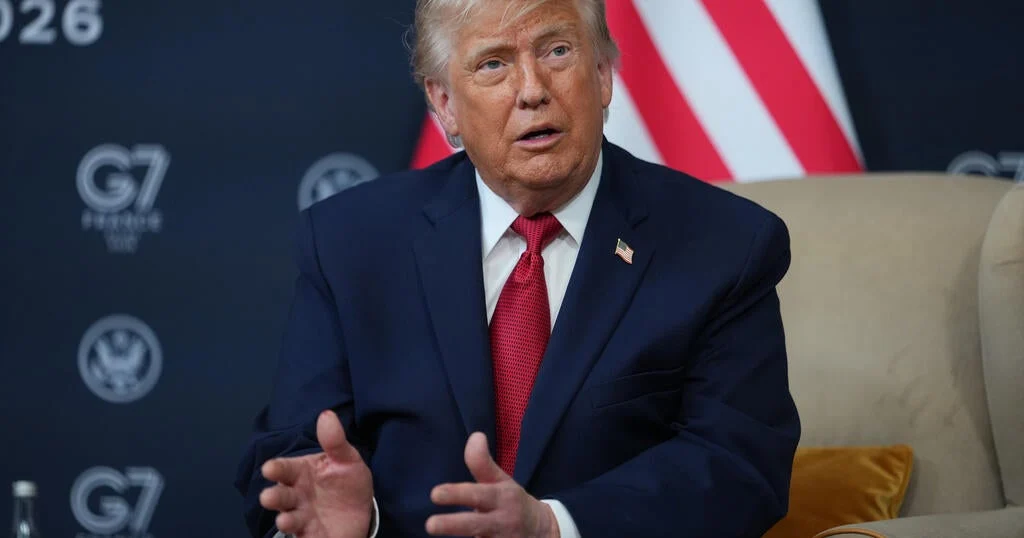
A significant diplomatic breakthrough emerged on June 17, 2026, as senior U.S. officials outlined a 14-point memorandum of understanding (MOU) with Iran aimed at ending ongoing military conflicts and addressing nuclear concerns. This agreement marks a rare step toward de-escalation in a region long fraught with tension, carrying implications for global security and regional stability.
What Happened
On June 17, 2026, U.S. officials detailed the contents of a memorandum of understanding negotiated with the Islamic Republic of Iran. The agreement commits both parties to an immediate and permanent halt to all military operations on all fronts, explicitly including Lebanon. It also initiates the restoration of commercial shipping traffic through strategic waterways and sets a 60-day window to negotiate a final comprehensive deal addressing nuclear issues, sanctions, and the lifting of naval blockades.
Key Facts
The memorandum includes Iran’s reaffirmation that it will not pursue nuclear weapons and its commitment to negotiate the disposition of enriched nuclear material under International Atomic Energy Agency (IAEA) supervision. Immediate provisions activate upon signing, such as:
- End to military actions on all fronts, including Lebanon, with a guarantee of Lebanon’s sovereignty and territorial integrity.
- Start of Iranian oil exports and issuance of U.S. waivers for Iranian crude and petroleum products for 60 days.
- Removal of the U.S. naval blockade within 30 days and cessation of forces near Iran upon the conclusion of the final deal.
- A joint reconstruction plan with regional partners worth at least $300 billion directed toward Iran’s economic redevelopment.
- A 60-day deadline to finalize the full agreement, extendable by mutual consent; President Trump warned that failure could lead to renewed military action.
- The final deal will be endorsed by a binding United Nations Security Council resolution.
What This Means
This agreement could mark a critical turning point in Middle East diplomacy, potentially ending protracted conflicts where Iran and U.S. interests have collided, including proxy battles in Lebanon. The temporary lifting of sanctions and restoration of Iranian oil exports bear significant consequences for global energy markets, potentially easing oil prices worldwide.
The establishment of a $300 billion reconstruction fund signifies a broader regional economic recalibration, potentially incentivizing cooperation and stability. However, the 60-day negotiation period imposes a tight deadline, underscoring a fragile peace contingent on swift diplomatic progress. Failure to reach a final accord risks a swift resumption of hostilities, maintaining high volatility in international affairs.
Background
The agreement comes after years of heightened tensions between the U.S. and Iran, marked by military operations, sanctions, and diplomatic stalemates over Iran’s nuclear program and regional activities. The Iranian presence in Lebanon and the U.S. naval blockade in the Persian Gulf have been long-standing points of contention. Previous nuclear agreements have faced challenges, making this MOU a notable attempt to reset relations with detailed provisions and timelines.
What Comes Next
Both sides have committed to negotiating the final nuclear and sanctions agreement within 60 days, with the possibility of extending this timeline by mutual consent. The final deal will be formally endorsed through a United Nations Security Council resolution, aiming to ensure broader international acceptance and enforcement.
Sources
This article is based on reporting and publicly available information from the following source:
Read more Politics stories on Goka World News.