
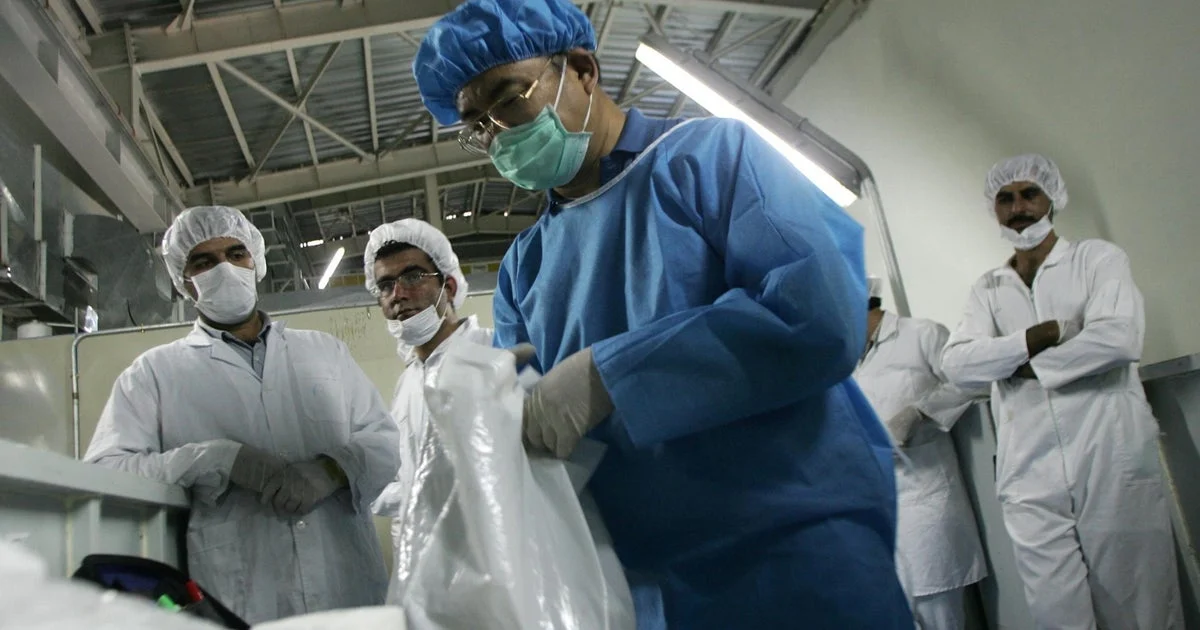
The United Nations’ nuclear watchdog has reaffirmed its commitment to inspect Iran’s nuclear sites as agreed in recent negotiations, but emphasized that the timing of these inspections is not urgent. This announcement comes amid a complex backdrop of stalled U.S.-Iran talks, ongoing military tensions in the Middle East, and regional disputes involving Iran and its allies.
What Happened
On June 24, 2026, the head of the International Atomic Energy Agency (IAEA) stated that inspections of Iran’s nuclear facilities will proceed according to previous agreements, although the precise timing remains flexible. These remarks follow conflicting statements from both Washington and Tehran regarding the pace and conditions of the inspections. The IAEA’s position was conveyed amid an escalating U.S.-Iran conflict and ongoing indirect negotiations mediated by Pakistan. Meanwhile, military tensions continue with Israel’s operations against Hezbollah in Lebanon, further complicating regional stability and the prospects for a broader peace deal.
Key Facts
The IAEA confirmed it will resume inspections of Iran’s nuclear sites, as part of the multilateral agreement framework. The timing is not yet set, with the agency noting inspections will occur “at some point.”
Israel’s defense minister Israel Katz stated on June 24 that the United States has made no demand for Israeli troop withdrawal from southern Lebanon, an issue that has been central in ceasefire discussions linked to Iran-backed Hezbollah forces. This contradicts Iran’s and Lebanon’s government demands for Israeli withdrawal.
Pakistan’s Foreign Ministry spokesman Tahir Andrabi confirmed on the same day that the U.S.-Iran talks, initiated under a ceasefire memorandum, are expected to resume the following week. He described the current pause as a “temporary gap.”
More than 11,000 sailors remain stranded in the Persian Gulf due to war-related disruptions, with the U.N.’s International Maritime Organization (IMO) coordinating a phased evacuation expected to take weeks.
The U.S. Senate approved a resolution directing President Trump to withdraw American troops from hostilities against Iran, signaling domestic political pressures amid ongoing conflict, though the move is largely symbolic.
What This Means
The IAEA’s confirmation that inspections will proceed, while downgrading immediate timing urgency, suggests a cautious approach in managing the delicate balance between enforcing Iran’s nuclear oversight and sustaining fragile diplomatic channels. This highlights the complexity of verification amid ongoing hostilities and mistrust between Iran and Western powers.
Delays or ambiguity in inspection schedules can fuel skepticism from Western nations and allies, potentially impacting sanctions relief or further escalation risks. The interplay between the nuclear issue and regional conflicts—particularly involving Israel, Hezbollah, and Iran-backed proxies—intensifies the difficulty of achieving a comprehensive settlement.
For global energy markets and international shipping, the continued instability in the Persian Gulf, including disruptions in the Strait of Hormuz, underscores the critical strategic importance of securing maritime routes and avoiding a broader escalation that could affect global oil supplies.
Background
This development follows a sharp deterioration in U.S.-Iran relations, sparked by a joint U.S.-Israeli military campaign against Iran and Iranian proxies. The escalation disrupted longstanding regional agreements, including free navigation through the Strait of Hormuz. Iran and Oman have proposed a new traffic control system in the strait, which Pakistan and other regional mediators are addressing.
Pakistan has emerged as a key mediator facilitating negotiations between Washington and Tehran, advocating restoration of the pre-conflict status quo and regional ownership of solutions affecting the Gulf’s security.
What Comes Next
According to Pakistan’s foreign ministry, indirect negotiations between the U.S. and Iran are expected to resume shortly, potentially next Tuesday. The IAEA has not specified a timeline for nuclear site inspections but maintains that they will be carried out.
On the ground, evacuation efforts for stranded sailors and ships in the Persian Gulf will continue over the coming weeks, coordinated by the IMO and involving multiple regional actors.
Sources
This article is based on reporting and publicly available information from the following source:
Read more Politics stories on Goka World News.