
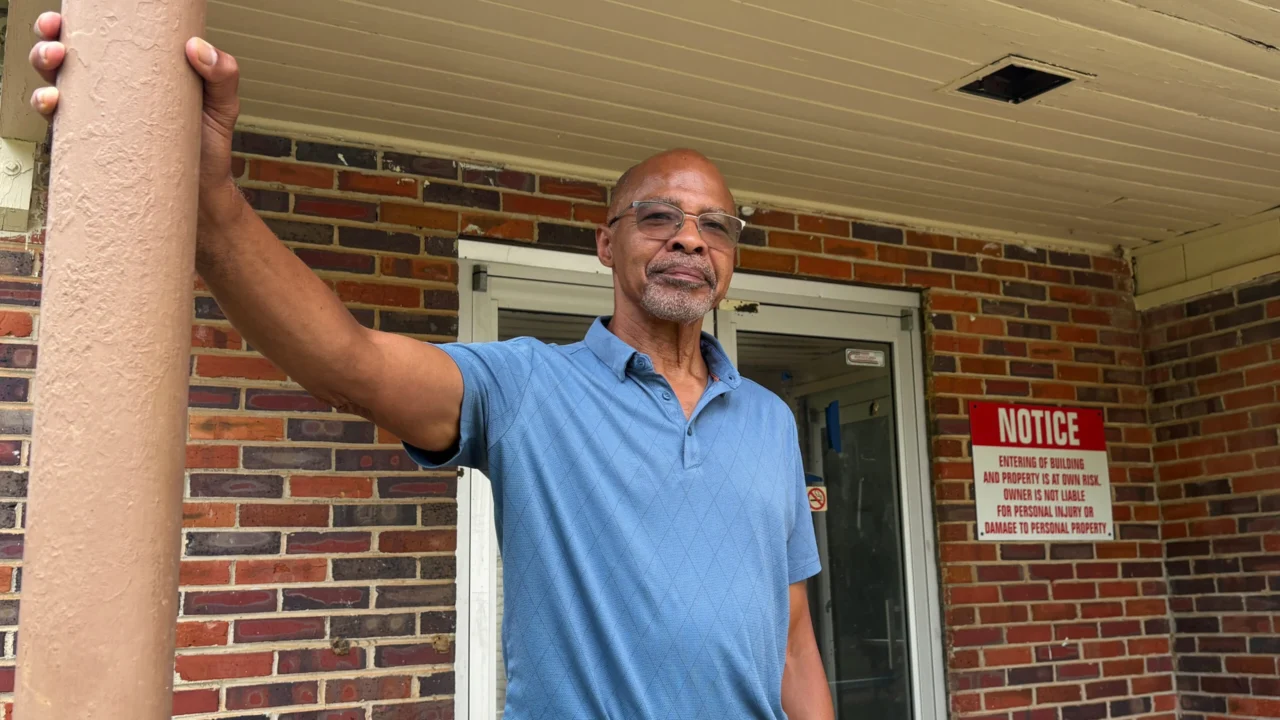
Thomasville, Georgia, a small city with deep historical roots in its Black neighborhoods, faces stalled public health improvements after losing a $19.8 million federal grant intended to tackle environmental health risks. The funding, awarded by the Environmental Protection Agency under the Biden administration’s Community Change Grant initiative, was withdrawn months later due to policy changes under President Donald Trump’s second term.
What Happened
In 2024, the city of Thomasville and the Thomasville Community Development Corporation won nearly $20 million through the EPA’s Community Change Grant program. This funding was part of a $2 billion federal effort to support disadvantaged communities in addressing environmental hazards, creating clean energy projects, and building climate resilience. The grant targeted historically marginalized neighborhoods, including Dewey City, a once-thriving Black community suffering from decades of neglect.
Planned improvements included removal of toxic substances like mold, lead paint, and asbestos from homes, repairs to an aging wastewater system that contaminated local waterways with fecal bacteria, and the establishment of a healthcare clinic in a shuttered high school to increase access to medical care for residents. However, three months after approval, the Trump administration revoked the grant as part of its executive order ending what it described as “radical and wasteful” diversity, equity, and inclusion (DEI) programs.
Key Facts
The EPA’s May 2025 letter terminating the funding cited a conflict with agency policies prioritizing “merit, fairness, and excellence,” claiming the project was inconsistent with the agency’s core mission. Thomasville is one of approximately 80 communities nationwide to lose funding amid a shift away from DEI and environmental justice preferences.
Dewey City, the focus of much of the grant’s intended work, is emblematic of a legacy of redlining and disinvestment. Many homes suffer from mold, asbestos, and lead paint issues that residents, mostly older and reliant on public transportation, lack the resources to address. The city has already engaged approximately $3 million in other federal funds to make some sewer and water repairs, and it is seeking $764,000 in congressional funds to establish a community health clinic.
What This Means
The loss of the EPA grant illustrates a broader rollback of federal support for environmental justice projects that directly address social determinants of health in marginalized communities. For residents in Dewey City, this means continued exposure to unsafe living conditions and limited access to healthcare, factors that can worsen chronic diseases and reduce overall quality of life. The stalled wastewater system upgrades allow contamination of local water sources to persist, creating ongoing public health risks.
Moreover, cutting funds from environmental justice initiatives undercuts scientific approaches to addressing pollution inequities. Advocates argue that these decisions reflect political priorities rather than evidence-based public health needs, threatening to widen health disparities for communities already at risk. For small cities like Thomasville, federal grants are critical lifelines to undertake costly infrastructure projects they cannot afford otherwise, and their removal delays essential progress indefinitely.
Background
Dewey City was the first Black neighborhood established in Thomasville after the Civil War and holds significant cultural heritage, including historic Black churches and the former Douglass High School. The health challenges in Dewey City – from environmental contaminants to exposure to toxic household materials – are tied to decades of structural neglect rooted in racial discrimination and redlining policies. The Biden-era Community Change Grants aimed to address these inequities by funding targeted community-led projects that integrate health care access with environmental remediation.
What Remains Unclear
It remains uncertain whether future federal administrations will restore funding to programs like Thomasville’s project or prioritize environmental justice as a focus. The EPA and the city continue disputing the funding withdrawal. While a 2025 EPA inspector general report confirmed the fairness of the initial grant award process, legal challenges to the rescinded grants were dismissed but are currently under appeal. The long-term trajectory for reviving stalled public health initiatives in affected communities remains unresolved.
What Comes Next
Meanwhile, Thomasville is pursuing alternative funding routes including congressional grant applications monitored through Senator Jon Ossoff’s office, with decisions expected in the fall. The community development corporation has begun building affordable senior housing in Dewey City and aims to retrofit parts of the historic Douglass campus into a health clinic and resilience hub, seeking to mitigate the loss of federal grant money.
Sources
This article is based on reporting and publicly available information from the following sources:
Read more Climate & Environment stories on Goka World News.