
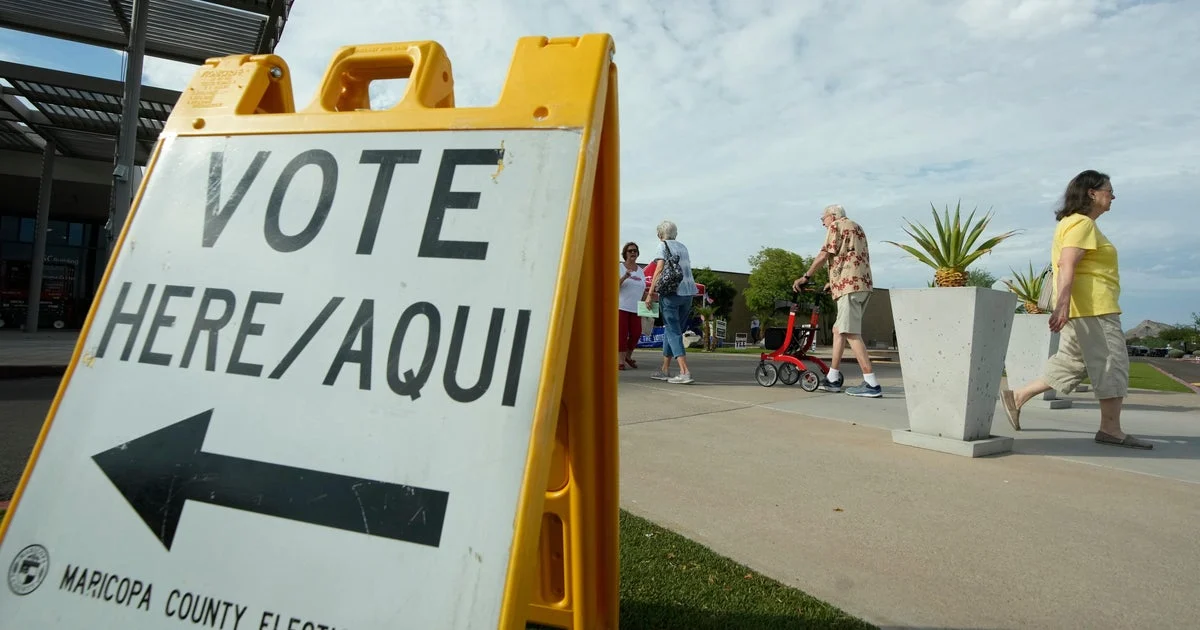
Four of the largest Latino civic organizations in the United States have partnered to coordinate voter outreach efforts aimed at increasing Latino participation in the 2026 midterm elections, CBS News reported on July 30, 2026. UnidosUS, the LULAC Institute, Mi Familia en Acción, and the Latino Victory Foundation announced a unified campaign to engage millions of Latino voters ahead of a critical election cycle.
What Happened
On July 30, 2026, the four major Latino organizations revealed their coalition strategy at the UnidosUS annual conference in Austin, Texas. Their goal is to reach more than 5 million Latino voters, register 250,000 new voters, and raise Latino voter turnout by at least 5% by the 2028 elections. This marks the first time these groups have pooled resources and coordinated their outreach across several states.
Janet Murguía, president and CEO of UnidosUS, described the effort as unprecedented, emphasizing the coalition’s unified fundraising and voter contact approach that includes canvassing, phone banking, and digital engagement. The campaign will focus on battleground and rapidly growing states key for the midterms, such as Arizona, Nevada, Pennsylvania, Texas, Florida, Ohio, Colorado, New Mexico, and California.
Key Facts
The coalition aims to mobilize over 5 million Latino voters, with a target of registering 250,000 new voters nationwide. Latino voters now number over 36 million eligible individuals, making them the second-largest and fastest-growing voting bloc in the country.
In the 2024 election, former President Donald Trump secured about 48% of the Latino vote nationally, up 12 points from 2020, signaling Republican efforts to retain gains with this electorate.
The GOP-affiliated LIBRE Action, linked to the Koch network, has already started promoting Republican Senate and gubernatorial candidates in key states such as Ohio, North Carolina, Florida, and Wisconsin.
What This Means
This coalition signals a strategic shift in Latino voter engagement by combining the strengths of major advocacy groups to amplify turnout and political influence ahead of a highly competitive midterm. By focusing on both voter registration and turnout, the campaign seeks to harness the growing electoral power of Latinos in crucial states that may decide control of Congress.
For communities across the targeted states, increased Latino participation could translate to stronger representation on issues important to these voters—including healthcare, housing, the economy, and immigration enforcement. The coalition’s nonpartisan approach also acknowledges diversity within Latino voters, recognizing they do not vote as a monolith but weigh multiple issues at the ballot box.
Republicans will likely continue efforts to expand their appeal to Latino voters, as evidenced by GOP initiatives and polished outreach emphasizing economic policies tailored to Hispanic communities. The effectiveness of both sides’ efforts will be closely watched as Latinos represent an expanding electoral demographic that could shape future political dynamics beyond 2026.
Background
Latino voters have become an increasingly important force in U.S. elections, with their numbers steadily rising since the early 2000s. Despite this growth, voter turnout rates in midterm elections have historically lagged behind other demographic groups. Recent elections, however, have shown increased interest and participation, prompting many organizations to invest in better coordination and outreach.
Earlier in the decade, these Latino groups operated independently but shared similar goals of boosting civic engagement. The new coalition formalizes their collaboration, aiming for higher resource efficiency and impact.
Sources
This article is based on reporting and publicly available information from the following source:
Read more Politics stories on Goka World News.