
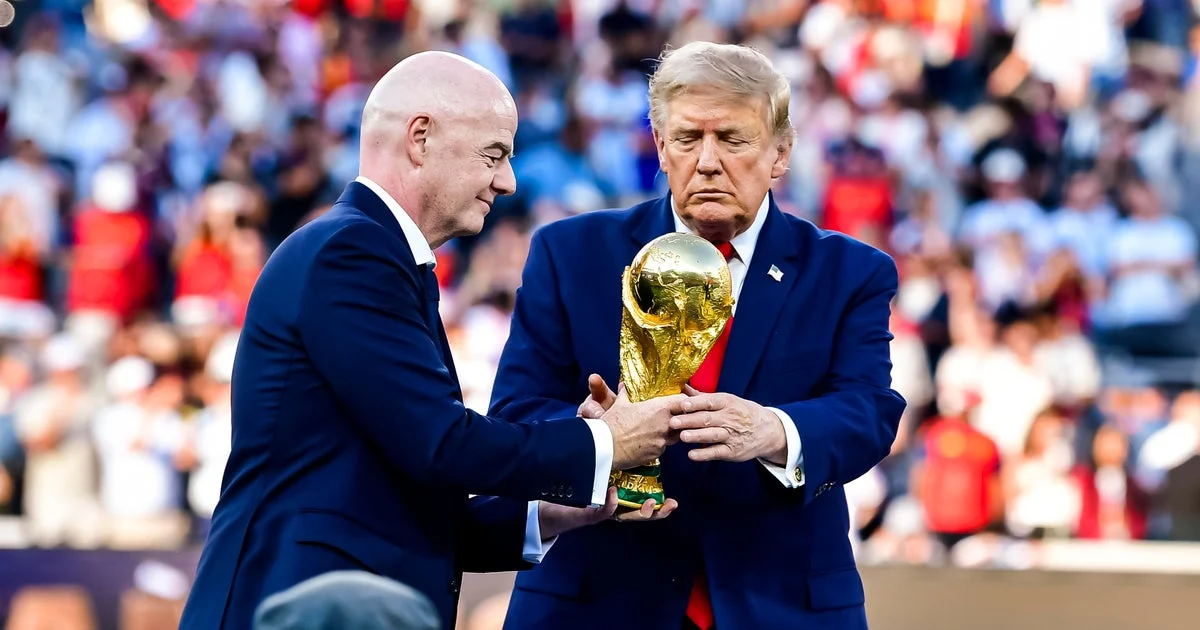
European soccer’s governing body UEFA and its member national teams are set to boycott all FIFA-organized competitions amid fierce opposition to FIFA’s plan to sell a minority stake in the World Cup to private investors. The proposal, led by investment firm Thrive Capital whose subsidiary Thrive Eternal would spearhead the deal, has ignited widespread backlash across Europe and beyond.
What Happened
On July 30, 2026, UEFA announced that all of its national member teams would refuse to participate in any FIFA competitions unless the plan to privatize part ownership of the FIFA World Cup is completely abandoned. The call came after FIFA revealed intentions to create a new $20 billion entity, FIFA Forward Enterprise (FFE), which would manage the commercial operations of the World Cup, including broadcast rights, sponsorship, ticketing, and licensing. Thrive Capital, led by Joshua Kushner, younger brother of former U.S. presidential adviser Jared Kushner, is slated to lead the group of private investors acquiring up to a 20% minority stake.
Key Facts
The boycott declaration was unanimous among European soccer nations and outlined in a stinging statement condemning FIFA’s proposal as “irresponsible and indefensible.” UEFA demanded binding assurances that FIFA would never again mix governance or competitions with private ownership interests. UK Prime Minister Andy Burnham publicly criticized the idea, asserting that football “does not belong to investors” but to “the people who fill the stands.”
FIFA plans to put the investment proposal to a vote among its 211 member associations in September 2026 and aims to secure all investor funds by the end of October if approved. FIFA President Gianni Infantino defended the plan as a way to unlock the sport’s commercial potential globally, pledging that additional revenue would be reinvested in soccer development worldwide.
The involvement of Joshua Kushner’s Thrive Capital has drawn political scrutiny, particularly given FIFA President Infantino’s reputed ties with former U.S. President Donald Trump, although members of Kushner’s firm have denied any political links to Trump’s administration. The controversy has triggered a U.S. congressional inquiry led by Representative Jamie Raskin into the relationship between Infantino and Trump, including allegations of World Cup ticketing improprieties and possible quid pro quo arrangements.
What This Means
The boycott by UEFA and European national teams presents a significant challenge to FIFA’s authority and threatens to disrupt international football competitions that draw billions of fans and generate substantial global revenues. As Europe contributes many of the sport’s most successful and popular teams, their absence would diminish the appeal and commercial viability of FIFA tournaments. This standoff underscores broader tensions between traditional sports governance institutions and emerging models that seek to leverage private capital to commercialize and expand events like the World Cup.
For soccer fans worldwide, this conflict could mean the loss of competitive tournaments featuring top European talent and shifts in how global football revenues are allocated and managed. The dispute also highlights mounting concerns about the commercialization and potential privatization of major international sporting events, raising questions about who ultimately “owns” global soccer competitions—the fans, the teams, or external investors.
Background
The World Cup has historically been overseen directly by FIFA as a nonprofit body administering international soccer. Infantino’s presidency has courted private investment initiatives to boost the sport’s global growth. The Kushner family’s political connections, notably Jared Kushner’s White House role under Trump, have cast a political shadow over FIFA’s recent dealings. Notably, Donald Trump’s personal call to Infantino to lift a ban on U.S. striker Folarin Balogun during the last World Cup sparked widespread criticism of FIFA’s political entanglements.
What Remains Unclear
It remains unconfirmed whether other continental football federations outside of Europe will follow UEFA’s lead in the boycott. The outcome of the planned FIFA member vote in September on the FFE proposal is unknown. Details on the specific revenue-sharing mechanisms and governance conditions within the proposed privatized entity have not been fully disclosed. The precise nature and extent of Infantino’s relationship with political figures in the U.S. is also under ongoing investigation.
What Comes Next
FIFA’s 211 member associations are scheduled to vote on the Forward Enterprise investment plan in September 2026. FIFA intends to finalize investment commitments by October if approved. UEFA’s boycott stands until FIFA abandons the plan in its entirety and makes guarantees preventing future privatization attempts in governing the sport.
Sources
This article is based on reporting and publicly available information from the following source:
Read more World News stories on Goka World News.