
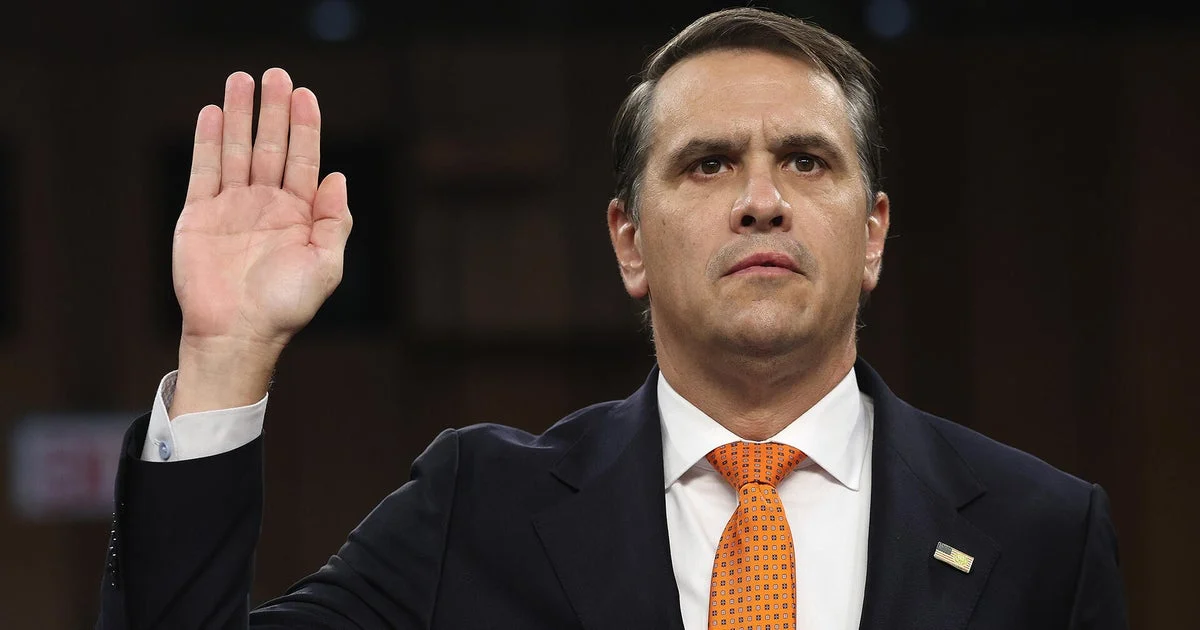
The Senate Judiciary Committee postponed its vote on Todd Blanche’s nomination for attorney general after Republican Senator John Cornyn of Texas conditioned his support on a formal, written cancellation of the Justice Department’s “anti-weaponization fund.” The delay, announced on July 29, 2026, has placed Blanche’s confirmation on hold amid ongoing negotiations within the Senate and the DOJ.
What Happened
Todd Blanche, currently serving as acting attorney general, faced a stalled confirmation process when the Senate Judiciary Committee delayed a scheduled Thursday vote at the request of Senator Cornyn, a key panel member. Cornyn explicitly stated he was “not prepared to vote yes” on Blanche’s nomination without securing a written agreement that formally ends the DOJ’s “anti-weaponization fund.” This fund, worth nearly $1.8 billion, was part of a settlement tied to former President Trump’s lawsuit against the IRS and Treasury, designed to compensate individuals claiming political persecution.
Despite Justice Department officials providing a written proposal to Cornyn’s staff on July 28, Cornyn deemed the response “not responsive” to his requests for clarity and formal restrictions on the fund and related protections against tax audits granted to Trump and his family. GOP Senator Thom Tillis expressed shared concerns but remained cautiously optimistic after meeting with Senate Judiciary Chairman Chuck Grassley prior to the vote delay.
Blanche has stated publicly that the fund is “dead,” and no money has been transferred or allocated, a position reiterated at his recent confirmation hearing. Nonetheless, Cornyn insists that any changes to the settlement require written confirmation from all parties involved, which remains outstanding.
Key Facts
- The Judiciary Committee hearing set for July 30, 2026, was postponed to secure sufficient votes to advance Blanche’s nomination.
- The “anti-weaponization fund” originated from a $1.8 billion DOJ settlement resolving Trump’s lawsuit against the IRS and Treasury.
- Cornyn demands written confirmation limiting the fund and clarifying protections against future tax audits for Trump and his family.
- Senator Thom Tillis has expressed concerns similar to Cornyn’s but is more hopeful for a resolution.
- Former President Trump suggested Cornyn’s opposition may be linked to Cornyn’s endorsement of rival Ken Paxton during the recent Texas primary, which Cornyn denies.
What This Means
The hold on Todd Blanche’s confirmation highlights ongoing tensions in the Senate about the Justice Department’s handling of politically sensitive settlements and oversight of its accountability mechanisms. Senator Cornyn’s insistence on a written cancellation of the “anti-weaponization fund” signals concerns among Republicans that the DOJ could misuse such funds or set a precedent for politically motivated payoffs. This standoff could delay the appointment of a permanent attorney general, potentially impacting the department’s leadership stability and its capacity to manage high-profile investigations and policy decisions.
For ordinary Americans, the dispute underscores the broader politicization of justice-related settlements and the continuing fallout from Trump-era controversies involving both tax enforcement and claims of political persecution. The insistence on formal agreements before confirmations may become a new standard in Senate oversight, influencing future confirmations and DOJ settlements. The outcome will also affect public confidence in the impartiality and independence of federal law enforcement.
Background
The “anti-weaponization fund” was first announced in May 2026 as part of a settlement resolving lawsuits filed by former President Trump against the IRS and Treasury Department. The fund aimed to compensate individuals who alleged they had been politically persecuted under prior administrations. However, the fund quickly drew bipartisan criticism, leading the DOJ to retreat from its implementation.
Separately, the settlement included protections shielding Trump and his family from audits of prior tax returns, a contentious issue Cornyn has also sought to clarify and restrict in writing as part of his conditions for supporting Blanche’s nomination.
What Comes Next
The Senate Judiciary Committee plans to resume discussions to address Cornyn and Tillis’s concerns in hopes of scheduling a new hearing and subsequent vote. The timeline for Blanche’s confirmation depends on reaching an agreement on the settlement’s terms and the issuing of formal assurances required by Cornyn.
Further negotiations between the DOJ, Senate Republicans, and committee leadership will shape whether Blanche advances as attorney general or faces continued delays.
Sources
This article is based on reporting and publicly available information from the following source:
Read more Politics stories on Goka World News.