
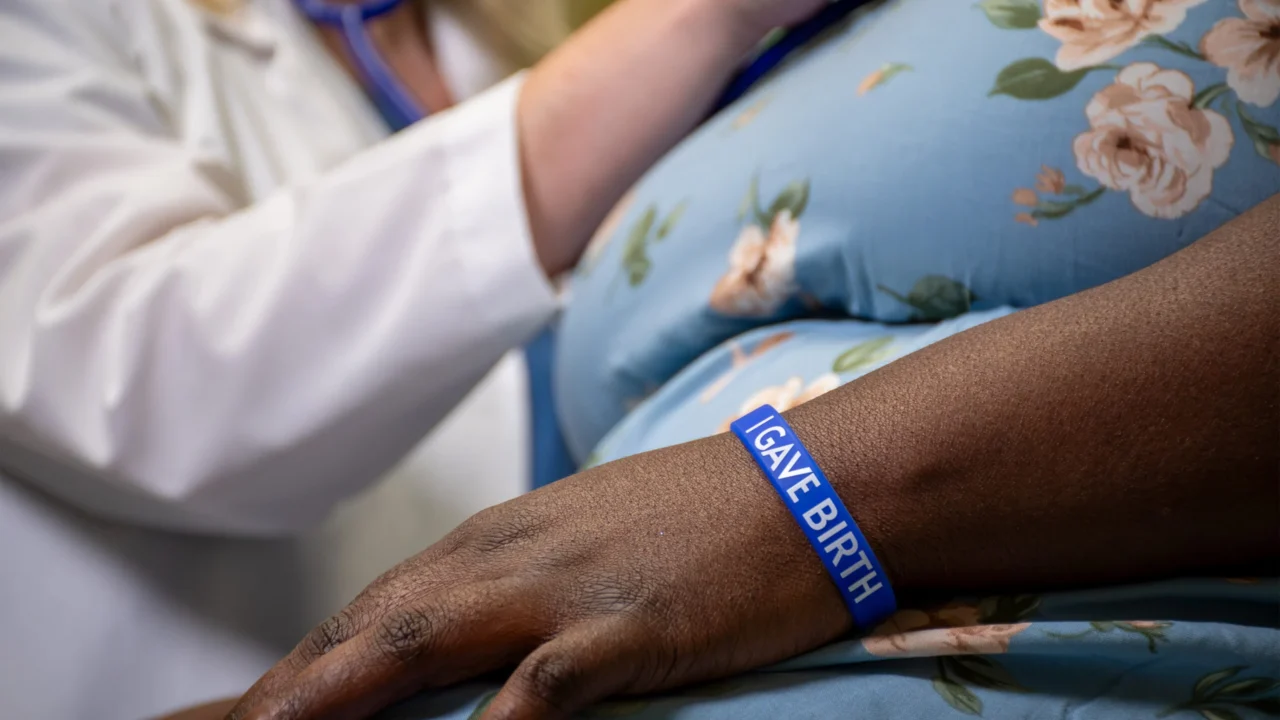
Hospitals across the United States are implementing silicone wristbands stamped with “I Gave Birth” to help reduce postpartum health complications and maternal deaths. This initiative, first introduced by North Carolina’s ECU Health, aims to provide a clear visual cue for new mothers and healthcare providers about the elevated health risks in the period following childbirth.
What Happened
Since 2021, nearly 50 hospitals in North Carolina along with the state’s health department have distributed these wristbands as part of a broader effort to combat a rising maternal mortality crisis intensified during the COVID-19 pandemic. The program has expanded nationally, reaching hospitals in at least 24 other states and health systems in Arkansas, Georgia, Mississippi, and Connecticut. Wearing the wristbands for weeks or months after delivery intends to remind mothers to seek medical attention if experiencing symptoms such as chest pain, headaches, or bleeding and to alert emergency responders and healthcare workers about their recent childbirth status to facilitate appropriate care.
Key Facts
U.S. maternal mortality rates have fluctuated over recent years, with 649 deaths recorded in 2024, according to the Centers for Disease Control and Prevention (CDC). The national average maternal mortality rate was 23 deaths per 100,000 births between 2020 and 2024. Tennessee had the highest rate at approximately 42 per 100,000, while North Carolina’s rate stood near 29 per 100,000. Importantly, nearly 70% of pregnancy-related deaths occur after the delivery day, and about 40% happen beyond the standard six-week postpartum period.
North Carolina noted that the wristband initiative was associated with a nearly one-third reduction in postpartum readmissions at ECU Health Medical Center in Greenville. However, further research is required to confirm causality and broader efficacy, as observed changes in readmission rates were small, with a reported drop of 0.77% attributed to patient and staff education linked to the program.
What This Means
The deployment of ‘I Gave Birth’ wristbands represents a pragmatic step toward addressing the often-overlooked postpartum period when many maternal deaths occur. They function as both a patient education tool and a clinical alert system for emergency and healthcare personnel, potentially reducing delays in recognizing and treating postpartum complications. Given that emergency responders may lack specialized training in postpartum issues, these wristbands offer a simple but effective signal that can influence clinical decisions in urgent care settings.
Despite their promise, wristbands are not a comprehensive solution. The initiative underscores the need for systemic improvements in postpartum care, especially as policy changes threaten to reduce Medicaid coverage critical for many new mothers. Medicaid funds approximately 40% of births nationwide, and emerging federal budget cuts and altered eligibility criteria could hamper continued access to extended postpartum healthcare, potentially reversing positive trends in maternal outcomes.
Background
The “I Gave Birth” wristband initiative was launched amid growing attention to the U.S. maternal mortality crisis, exacerbated by the pandemic. In 2022, Congress extended postpartum Medicaid coverage eligibility from 60 days to a full year in nearly all states, a measure credited with improving maternal health follow-up care. However, this progress faces challenges from the 2025 federal law known as HR 1, which analysts fear will reduce Medicaid spending by over $900 billion over a decade, threatening to curtail these extended benefits.
The CDC and Centers for Medicare & Medicaid Services have promoted improved clinical protocols to better identify and intervene in postpartum complications, but funding and staffing stability for these programs remain fragile given recent federal budget proposals that threatened maternal health research and surveillance efforts.
What Remains Unclear
While initial data from ECU Health suggests reductions in postpartum readmissions, the long-term impact of wristband programs on maternal mortality nationwide has not yet been conclusively demonstrated. Evaluations of analogous public health campaigns indicate mixed behavioral outcomes, and the wristbands’ effectiveness in prompting timely care when symptoms arise remains to be fully studied.
Furthermore, the evolving policy environment, including Medicaid coverage changes and resource allocations, creates uncertainties about the sustainability and scalability of such grassroots interventions.
Sources
This article is based on reporting and publicly available information from the following sources:
Read more Health & Public Health stories on Goka World News.