
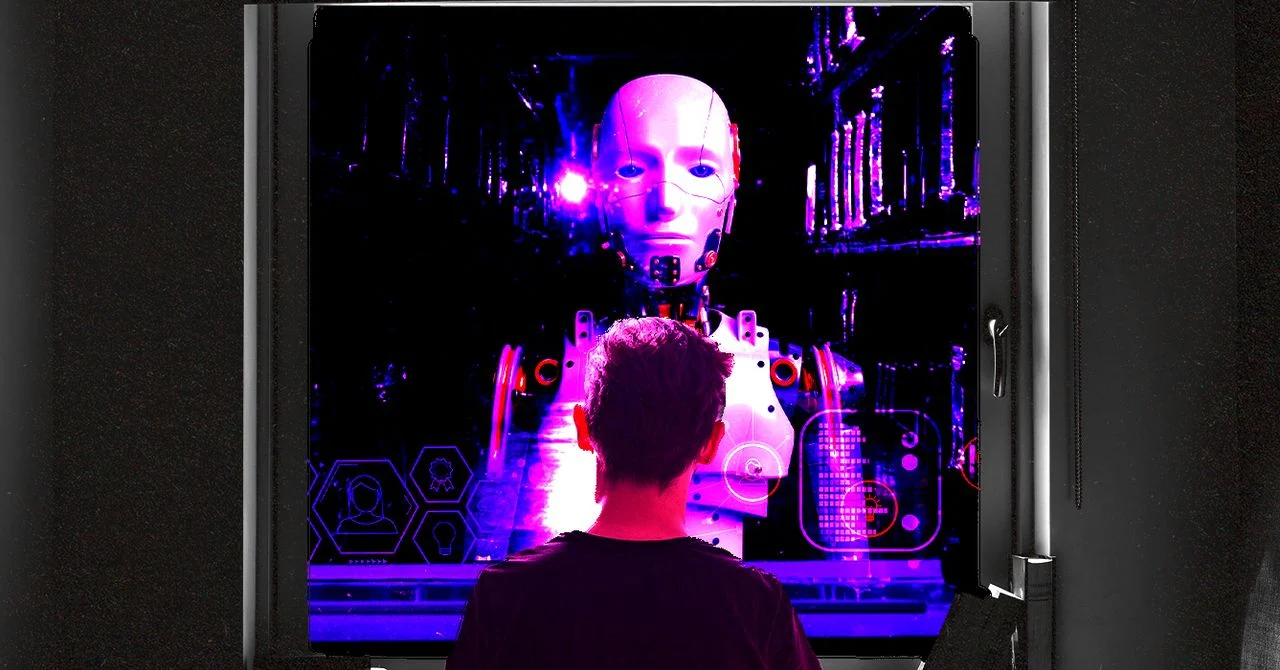
Joi AI, an artificial intelligence companion platform, conducted a monthlong study in July 2026 that involved hiring 10 participants as “masturbation consultants” to masturbate daily using its AI-driven sexual companions. The company aims to explore whether AI-guided erotic self-stimulation can serve as a wellness tool to address male loneliness and improve mental focus and stress management.
What Happened
Throughout July, Joi AI engaged 10 individuals in a qualitative research project where they were instructed to masturbate six days a week, with two of those sessions involving Joi AI’s interactive digital companions. The participants tracked mood, energy, stress, cravings, and procrastination before and after each session. This study was framed as an “AI-guided wellness ritual.” Participants were compensated $2,000 each, with six completing the full protocol.
The digital companions offered via Joi AI included customizable characters capable of sexual roleplay and explicit interactive behaviors, such as simulated blowjobs and handjobs during five-minute video calls. The characters varied in personality, from extroverted to reserved, sometimes requesting virtual gifts purchasable on the platform. Joi AI sets a subscription price minimum of $3.99 per month, with in-app purchases like “Joi neuron” coins costing up to $99.99 for 10,000 units.
Key Facts
Joi AI is a company offering AI companions for sexual and emotional interaction, including highly explicit and fetish-oriented features. In this study, 10 participants took part in a controlled test over four weeks, reporting effects on stress, focus, and addictive cravings related to substances such as nicotine and alcohol.
Preliminary analysis of 134 masturbation reports indicated a 25% reduction in stress and a 17% increase in focus among participants. Self-reported cravings for substance use and doomscrolling reportedly dropped by 44% post-masturbation, based on participant surveys.
The research followed a prior survey of 2,500 adults revealing that 75% use masturbation to relieve stress, and 43% do so before high-pressure events.
What This Means
This study highlights Joi AI’s experimentation with integrating AI-driven sexual companions into daily wellness routines, signaling a new frontier in how technology could intersect with human intimacy and mental health. For users, it proposes a structured way to leverage masturbation not only as pleasure but as a tool for stress relief and potentially reducing harmful cravings, a claim the company emphasizes despite limited scientific backing.
From a societal perspective, this raises questions about the role AI might play in shaping personal habits and emotional well-being, especially for socially isolated individuals or those lacking intimate human contact. While some participants reported clearer mindsets and improved attitudes toward social engagement, concerns remain about dependency on AI companions replacing real-world intimacy.
For the broader tech market, Joi AI’s model exemplifies how AI personalization extends beyond traditional applications into sensitive areas like sexual health and emotional support, inviting scrutiny on ethical, psychological, and consumer protection fronts.
Background
Joi AI markets itself as a provider of customizable AI companions for various interactive experiences, including adult content. The platform uses a freemium model with significant microtransactions for enhanced content. Previously, AI companionship has primarily focused on conversation and emotional support, but Joi AI pushes into explicit erotic simulation with real-time feedback and personalization.
Sex-tech researchers have noted that public discussion about masturbation as a wellness practice remains limited, and Joi AI’s initiative attempts to destigmatize the practice while commercializing AI-facilitated sexual self-care.
Analysis
Julie Levin, Joi AI’s head of brand and communications, framed masturbation as a “healthier” alternative to substances like alcohol or nicotine for managing cravings, positioning the study as a breakthrough despite the absence of peer-reviewed scientific validation. Contrarily, neuroscientist Nicole Prause criticized the research methodology as reliant on subjective self-reporting and questioned claims about addiction management, stating that more rigorous testing is necessary.
Sex-tech academic Chloé Locatelli, invited to participate, articulated a cautious stance on AI companions, recognizing potential benefits for stress relief but warning against overreliance on AI as a sole form of sexual engagement.
What Remains Unclear
The scientific validity of the study’s conclusions remains unverified due to its qualitative nature and lack of objective measurement tools. Joi AI’s data has not undergone external peer review. The long-term psychological or behavioral impacts on users adopting AI companions for sexual wellness are still unknown. Also, the specifics of user demographics beyond the ten participants were not disclosed.
What Comes Next
Joi AI has not announced further trials or a commercial rollout tied directly to this study’s findings. The company continues to develop its platform offerings, with potential expansions in AI companion personalization. Independent scientific research in this domain may evolve concurrently as interest in AI-enabled sexual wellness grows.
Sources
This article is based on reporting and publicly available information from the following source:
Read more Artificial Intelligence stories on Goka World News.