
Summer 2026 has shattered weather records across the United States and Europe, with July marking the hottest month ever recorded in the contiguous US, historic flooding in Texas, unprecedented tornado activity in Indiana, and devastating wildfires in Washington State. European nations also suffered from deadly heatwaves and widespread wildfires, forcing mass evacuations. These events reflect a growing pattern of climatic extremes that experts link to long-term environmental changes documented by agencies such as the Environmental Protection Agency (EPA) and the National Oceanic and Atmospheric Administration (NOAA).
What Happened
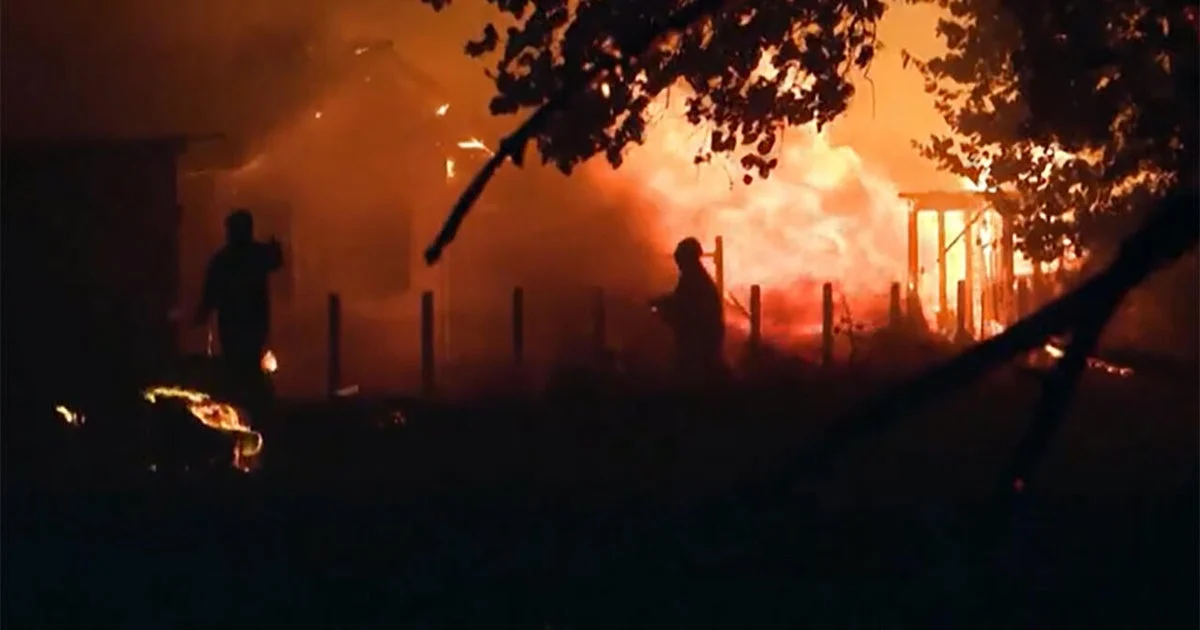
In July 2026, the lower 48 states experienced the hottest month on record, surpassing previous highs from the Dust Bowl era. Texas endured a second “once-in-a-thousand-years” flood within a year, while Indiana, located outside the traditional Tornado Alley, saw a record 77 tornadoes. The Pacific Northwest confronted an intense wildfire season, with Spokane, Washington, suffering a fast-moving blaze that destroyed hundreds of homes. This wildfire season set a new record for destructive fire activity in Washington State. Across the Atlantic, Europe faced historic heatwaves and wildfires that caused over 10,000 estimated heat-related deaths and forced evacuations of more than 250,000 people.
Key Facts
According to EPA and NOAA data, heat waves now occur at three times the frequency compared to the 1960s. Wildfires currently burn twice as much land annually as they did during the 1990s. The July 2026 heat in the US set a new high temperature record in the contiguous states. Texas recorded its second extraordinary flood event within a year, placing intense pressure on infrastructure and communities. Indiana’s 77 tornadoes shattered historic records for the state. In Europe, prolonged heatwaves led to significant mortality and displaced over a quarter-million people. Climate journalist Jeff Goodell highlights these events as part of an escalating trend tied to global warming, while University of Maryland atmospheric scientist Maria Molina employs artificial intelligence and historical data to model evolving extreme weather likelihoods.
What This Means
The increasing frequency and intensity of extreme weather underline critical challenges for communities, emergency services, and governments. The record-breaking heat and floods disrupt daily life, threaten public health, and put infrastructure at risk, from homes to power grids. The surge in wildfire destruction, especially in regions like Washington State that historically had minimal fire seasons, signals a shift in regional hazard profiles that will require new preparedness strategies and land management policies. For residents like Spokane inhabitant Ted Chauvin, the loss of family homes and memories highlights the deeply personal toll of these events.
These patterns also challenge traditional assumptions about climate stability on which much of American infrastructure and urban planning have been based. As noted by experts, adapting to this evolving climate reality involves reconsidering where and how communities are built and sustained. Given that heatwaves and extreme weather events are becoming more common across both the US and Europe, the public must grapple with a future where such conditions may become the norm rather than exceptions. At the same time, accurate forecasting using advanced modeling tools is essential for effective response and mitigation efforts.
Background
EPA and NOAA reports have long documented rising average temperatures and increasing frequency of extreme weather events linked to climate change. Heatwaves now occur three times more often than in the 1960s, and wildfire acreage burned annually has doubled since the 1990s. The sustained warming trend has pushed parts of the US and Europe outside historic “Goldilocks” temperature zones where human civilization historically thrived, as noted by climate journalist Jeff Goodell. These extreme events are consistent with projections from climate scientists who have warned of heightened weather volatility due to global warming.
Analysis
Jeff Goodell, author of climate-focused books including “The Heat Will Kill You First,” explains that the summer of 2026 exemplifies an escalation into a hotter and more dangerous world, confirming decades of climate science warnings. Maria Molina, an atmospheric scientist using AI-based modeling, emphasizes that while extreme events have always occurred, the gradual warming background increases their frequency and intensity. Together, these insights stress the importance of recognizing persistent climate shifts rather than dismissing recent extremes as anomalies. Goodell describes society’s tendencies to normalize these dangerous changes as akin to “frogs in a pot” slowly boiling, underscoring the need for urgent acknowledgment and adaptation.
Sources
This article is based on reporting and publicly available information from the following sources:
Read more Climate & Environment stories on Goka World News.